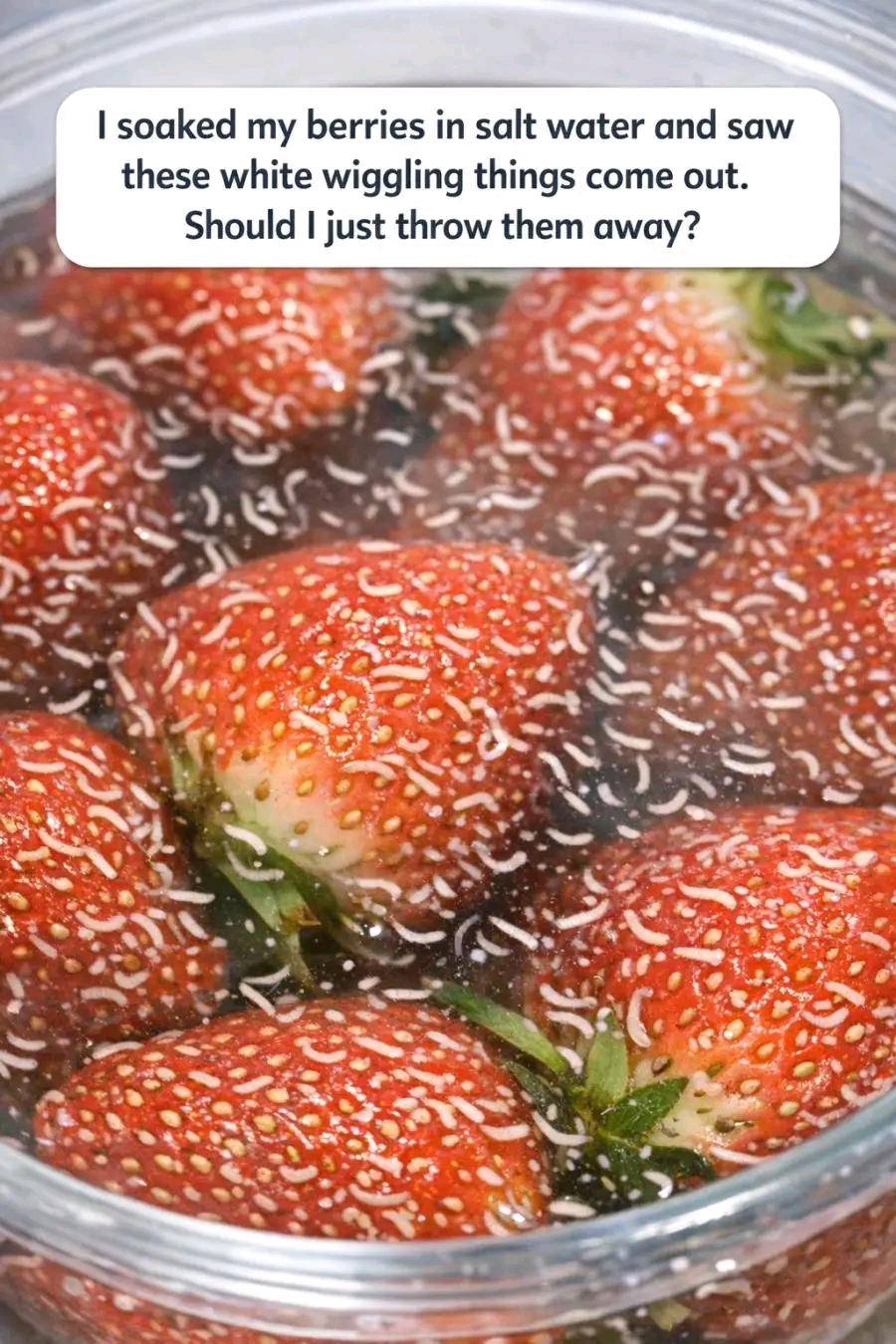
7. When It’s Probably Safe to Rinse and Still Eat ThemAdvertisementIf the berries appear fresh, firm, and free of mold, they can generally be considered safe to eat after a thorough rinse. A salt water soak followed by rinsing under cold water can effectively remove many of the larvae and any surface contaminants.Ensure that you dry the berries properly before consumption. Patting them dry with a clean towel can help remove any residual salt and improve the texture of the fruit. This method should suffice for most berries and is a practical approach to ensuring they are safe to consume.
8. How to Properly Clean Berries to Minimize Larvae and PesticidesTo clean berries effectively, start by placing them in a colander and rinsing them under cold running water. Gently agitate the berries with your hands to loosen any dirt or pests. For a deeper clean, consider the salt water soak method mentioned earlier.Another option is to use a vinegar solution (1 part vinegar to 3 parts water) to help remove pesticides and bacteria. After soaking the berries in the vinegar solution for 5-10 minutes, rinse them thoroughly with clean water to remove any vinegar residue, and then dry them with a paper towel or clean cloth.
9. Can You Prevent Larvae in Berries Before You Buy Them?AdvertisementWhile it is challenging to completely prevent larvae from being present in berries, there are steps you can take to minimize their presence. When purchasing berries, inspect them closely for any visible signs of damage or mold. Choose firm, plump berries with bright, vibrant colors, as they are less likely to harbor larvae.Buying from reputable sources and purchasing berries that are in season can also reduce the risk. Berries that are locally sourced and freshly picked are less likely to have undergone prolonged storage and transport, which can contribute to larval infestation.
10. Are Organic Berries More Likely to Have These Worms?Organic berries may have a higher likelihood of harboring larvae due to the limited use of synthetic pesticides. Organic farming practices prioritize natural pest control methods, which can be less effective at keeping SWD at bay compared to conventional pesticides.AdvertisementHowever, the presence of larvae in organic berries does not inherently make them unsafe. Many consumers choose organic produce for its environmental and health benefits, and proper cleaning methods can mitigate the presence of larvae.
11. Should You Keep Doing the Viral Salt Water Berry Test?The viral salt water berry test can be a useful tool for detecting and removing larvae from berries, but it is not a foolproof method. While some people appreciate the peace of mind it provides, others may find it unnecessary given the minimal health risks associated with consuming the larvae.Ultimately, the decision to continue using this method depends on personal preference. If the presence of larvae is a significant concern for you, the salt water test can be a practical solution. However, maintaining regular cleaning practices and purchasing from reputable sources can also help ensure your berries are safe to eat.
