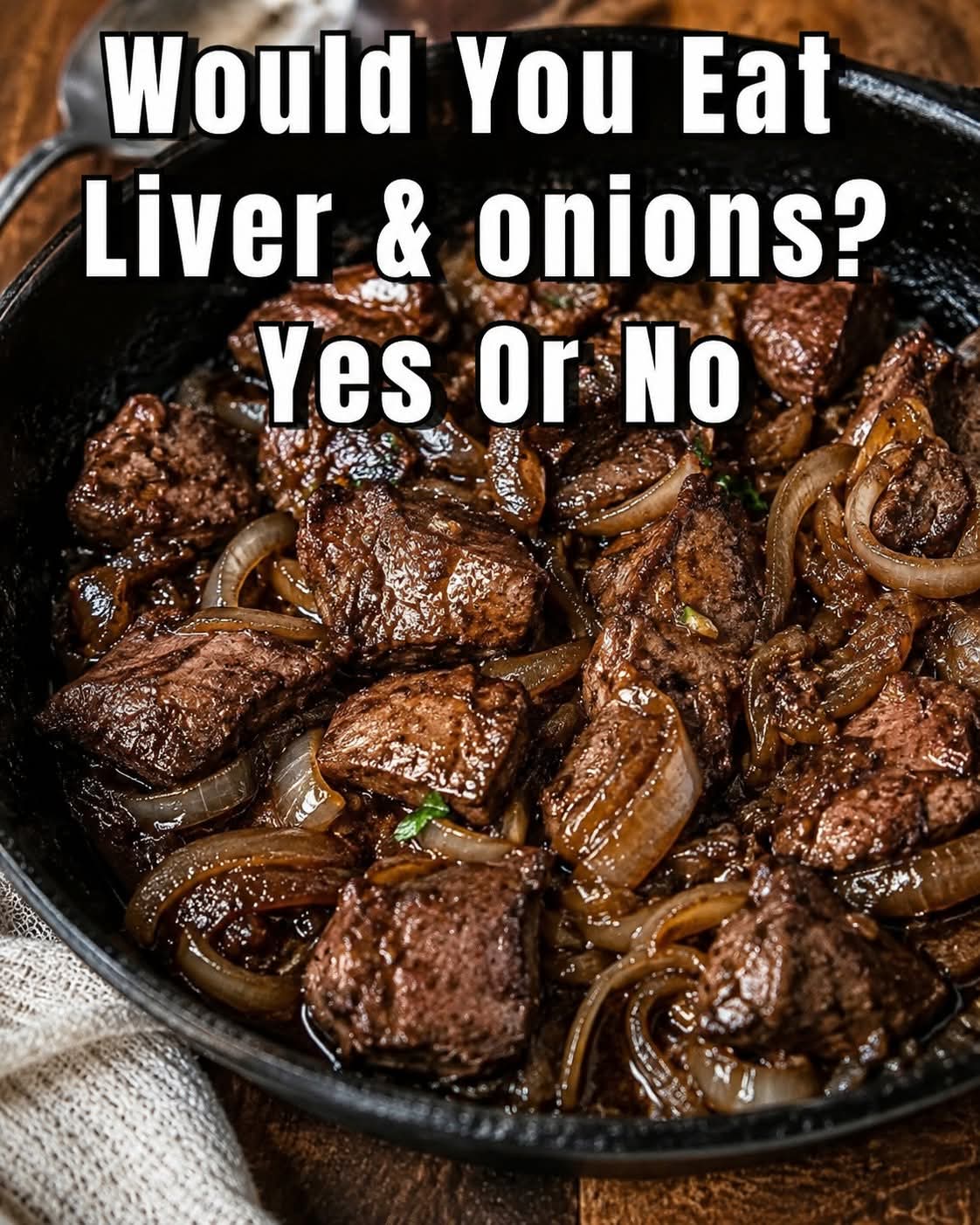
Yes – I would eat liver and onions, provided the liver is fresh, properly handled, and thoroughly cooked. It can be a flavorful, inexpensive, highly nutritious meal, but it is also rich enough that it makes more sense as an occasional food than an everyday staple.
Why liver and onions can be a good meal
Liver is one of the most nutrient-dense animal foods. A typical serving supplies substantial protein, iron, vitamin B12, folate, copper, and vitamin A. Beef or calf liver with onions is particularly high in protein and iron; one listed 143 g serving provides about 24 g protein and 5.5 mg iron. NutritionValue
That makes it especially useful in diets where iron or B-vitamin intake is low. The iron in animal foods is heme iron, which is generally absorbed more readily than the non-heme iron found in many plant foods.
Onions add more than sweetness and flavor. They bring modest amounts of fiber, potassium, vitamin C, and folate, while their natural sugars caramelize and balance liver’s mineral, slightly bitter taste. One large raw onion contains around 63 calories, 2.1 g fiber, and 9.6 mg vitamin C, though cooking changes the final amounts. University Hospitals
The main downside: it is very rich
The biggest nutritional caution is vitamin A and cholesterol. Liver can contain extremely large quantities of preformed vitamin A. The same 143 g serving cited above contains roughly 6,760 mcg RAE, or about 751% of the Daily Value. NutritionValue
Very high, frequent intakes of preformed vitamin A can be harmful. This matters particularly for:
- Pregnant people or people trying to become pregnant, who should get individualized medical advice before eating liver regularly.
- People taking vitamin A-containing supplements or certain acne medications.
- People advised to restrict dietary cholesterol or who have particular liver, iron-storage, or metabolic conditions.
- Anyone eating large portions multiple times a week.
Liver is not “bad” because it has cholesterol, but it is not a food I would make daily. A moderate portion occasionally is a more sensible approach for most people.
Taste and texture decide everything
Many people dislike liver because they have only had it overcooked. When cooked too long, it becomes dry, chalky, tough, and bitter. A good liver-and-onions dish should have tender slices, deeply softened onions, enough seasoning, and no burnt exterior.
Calf liver is often milder and more tender than mature beef liver. Soaking liver in milk for 30 minutes to a couple of hours is a common optional technique for softening its flavor, although it is not required.
How I would make it
I would keep it simple:
- Slice the onions and cook them slowly in a little oil or butter until soft and browned; remove them from the pan.
- Pat thin liver slices dry and season with salt, pepper, garlic, and perhaps paprika or oregano.
- Cook the liver in a hot pan only as long as needed, turning once.
- Return the onions to the pan, add a splash of broth, lemon, vinegar, or Worcestershire sauce if desired, and serve immediately.
For food safety, organ meats should be cooked appropriately; one recipe guidance uses an internal temperature of 160 F / 71 C for beef liver. Rumba Meats
My verdict
Yes, I would eat liver and onions. I would choose a modest serving of good-quality liver, cook it carefully so it stays tender, pile on the onions, and eat it occasionally with something fresh or starchy – for example, rice, potatoes, crusty bread, or a sharp green salad.
It is not universally appealing, and it is not a “more is better” health food. But as an occasional traditional meal, it is nutritious, affordable, and genuinely delicious when prepared well.
