Our bodies have many ways of signaling that something may be amiss with our health, and one often overlooked indicator is the tongue. While we might not give it much thought, the tongue’s appearance can provide essential clues about our overall health. From its color and texture to any unusual coatings or patterns, paying attention to these details can help identify potential health issues before they become more serious.
In this article, we’ll explore various tongue conditions and what they might mean for your health. Whether you’re seeing wavy edges, a bright red hue, or something else entirely, understanding these signs can be the first step in addressing underlying health concerns. Keep reading to learn more about the different types of tongues and what they might be trying to tell you.
1. What Your Tongue Can Reveal About Your Overall Health
The tongue is a muscular organ that not only helps us taste and swallow food but also serves as a health indicator. A healthy tongue is typically pink with a thin white coating and has small nodules on the surface called papillae. Changes in the tongue’s color, texture, or shape can signal various health issues ranging from nutritional deficiencies to more serious conditions.
For example, a tongue that appears swollen or has a different color than usual can be a sign of an allergic reaction or infection. Similarly, a white or yellow coating might suggest dehydration or an underlying fungal infection like oral thrush. Paying attention to the subtle changes in your tongue can provide valuable insights into your health status.
2. Wavy or Scalloped Tongue Edges: What Those Ridges Really Mean
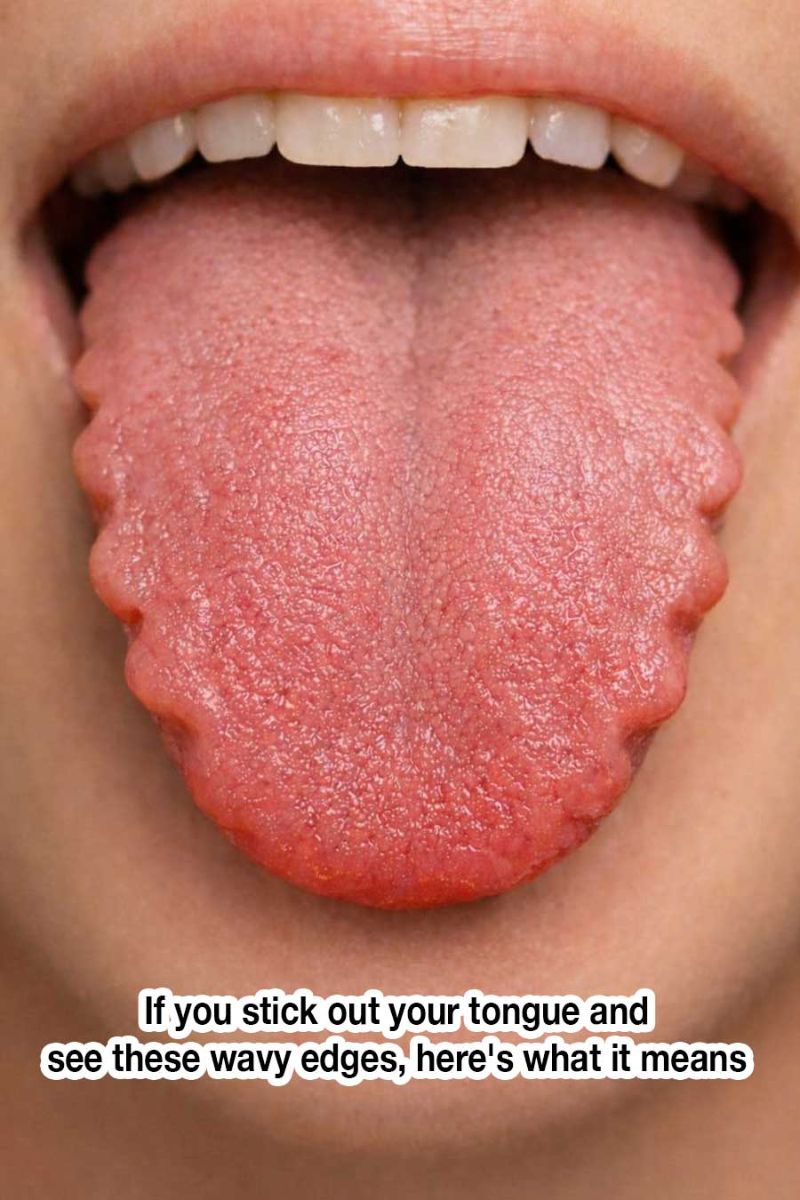
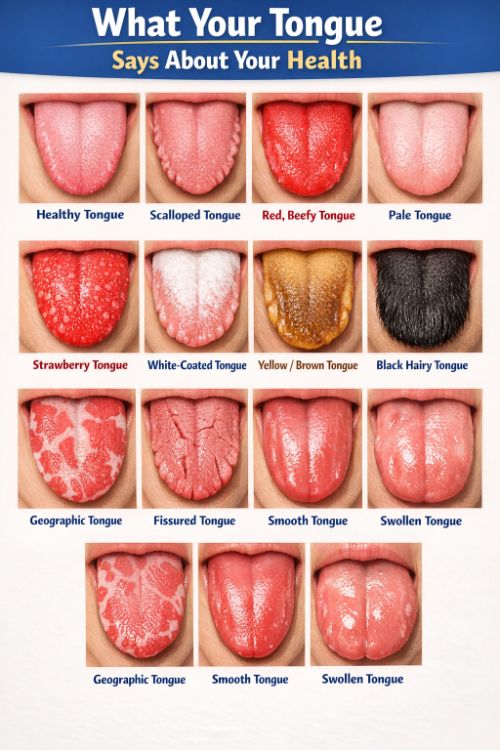
Wavy or scalloped edges on the tongue, also known as crenated tongue, often indicate that the tongue is pressing against the teeth. This can happen due to several reasons, including teeth grinding or clenching, sleep apnea, or even a misaligned bite. Stress and anxiety can also lead to this condition as they may cause you to clench your jaw unconsciously.
In some cases, a scalloped tongue can be a sign of a nutritional deficiency, particularly in B vitamins, which are essential for maintaining the health of your nervous system. If you notice this condition, it might be worth examining your diet and consulting with a healthcare professional to rule out any underlying issues.
3. Red, Beefy Tongue: When a Vibrant Color Signals Vitamin Deficiencies
A red, beefy tongue can be striking and is often a sign of vitamin deficiencies, particularly those involving vitamin B12 or folic acid. These vitamins play a crucial role in the production of red blood cells and maintaining nerve function. Without adequate levels, you might experience symptoms beyond tongue changes, such as fatigue, weakness, and even neurological issues.
If you observe a red, beefy tongue, consider evaluating your diet or consulting with a healthcare provider. Blood tests can determine if you have deficiencies, and dietary adjustments or supplements can help restore proper nutrient levels.
4. Pale Tongue: Possible Anemia and Low Iron Warning Sign
A pale tongue can indicate anemia, a condition characterized by a lack of healthy red blood cells. This is often a result of iron deficiency, which is crucial for the production of hemoglobin. Hemoglobin helps carry oxygen throughout the body, and without enough iron, you may experience symptoms like fatigue, dizziness, and weakness.
In addition to a pale tongue, other symptoms of anemia may include brittle nails, shortness of breath, and chest pain. If you suspect anemia, it is essential to seek medical advice. A simple blood test can confirm the diagnosis and help guide treatment, usually involving dietary changes and iron supplements.
5. Bright Red or “Strawberry” Tongue: Inflammation and Infection Clues
A bright red or ‘strawberry’ tongue is often associated with inflammation or infection. Conditions such as scarlet fever, Kawasaki disease, or even strep throat can cause this symptom. These conditions are typically accompanied by other symptoms like fever, rash, or sore throat.
If you notice a bright red tongue along with other symptoms, it is important to seek medical attention promptly. Early diagnosis and treatment can prevent complications associated with these infections.
6. White-Coated Tongue: From Dehydration to Oral Thrush
A white-coated tongue can be a result of several factors, ranging from dehydration to oral infections like thrush. Oral thrush is a fungal infection caused by the overgrowth of Candida yeast, leading to a thick, white coating on the tongue.
Dehydration can also cause a white coating, as it reduces saliva production, leading to a dry mouth and tongue. Ensuring adequate fluid intake and practicing good oral hygiene can help alleviate these symptoms. If the white coating persists, consult a healthcare provider to determine if antifungal treatments are needed.
7. Yellow or Brown Tongue: Smoking, Bacteria, and Gut Health Links
A yellow or brown tongue can be linked to poor oral hygiene, smoking, or an overgrowth of bacteria. Smoking not only stains the teeth but can also discolor the tongue, leading to a yellow or brown appearance.
Additionally, digestive issues or an imbalance in gut bacteria may contribute to these changes. Maintaining good oral hygiene by brushing your tongue and quitting smoking can help improve the condition. If the discoloration continues, it might be worth exploring potential digestive issues with a healthcare professional.
8. Black Hairy Tongue: The Startling but Often Harmless Overgrowth
Black hairy tongue is a harmless condition that results from an overgrowth of papillae on the tongue, which can trap bacteria, food, and dead cells. This can lead to a dark, furry appearance that might be alarming but is usually benign.
Poor oral hygiene, smoking, and certain medications can contribute to this condition. Regularly brushing your tongue and maintaining good oral hygiene can help prevent or resolve black hairy tongue. If the condition persists, a dentist can offer further advice and treatment options.
9. Geographic Tongue: Map-Like Patches and What Triggers Them
Geographic tongue is characterized by map-like patches on the surface of the tongue that can change shape and location over time. These patches are often red with a white or light-colored border and can cause sensitivity to certain foods or substances.
The exact cause of geographic tongue is unknown, but it is believed to be linked to genetics, stress, or certain environmental factors. While it is generally benign, if you experience discomfort or persistent changes, consulting a healthcare provider can help rule out other conditions and provide symptom management strategies.
10. Fissured or Cracked Tongue: Deep Grooves and Nutrient Connections
A fissured or cracked tongue is characterized by deep grooves or cracks on the surface of the tongue. While this condition is often harmless and considered a normal variant, it can sometimes be associated with certain syndromes or nutritional deficiencies, particularly in vitamin B and zinc.
Maintaining good oral hygiene is important for those with a fissured tongue, as food particles can become trapped in the grooves, leading to irritation or infection. If you suspect a nutritional deficiency, dietary changes or supplements can help manage the condition.
11. Smooth, Glossy Tongue: When a Shiny Surface Isn’t So Healthy
A smooth, glossy tongue, also known as atrophic glossitis, can indicate a lack of papillae on the tongue’s surface. This condition is often linked to deficiencies in iron, folic acid, or vitamin B12, which are crucial for maintaining healthy tongue tissue.
In addition to a smooth appearance, you may experience a burning sensation or increased sensitivity to certain foods. Addressing the underlying nutritional deficiencies through diet or supplements can help improve the condition and restore the tongue’s normal appearance.
12. Swollen Tongue: Allergies, Infections, and When to Seek Help
A swollen tongue can be a concerning symptom, often indicating an allergic reaction, infection, or side effect of certain medications. Allergies, particularly to foods or medications, can cause rapid swelling, which can be life-threatening if it affects breathing.
If you experience sudden tongue swelling, particularly with difficulty breathing or swallowing, seek emergency medical attention immediately. For less severe swelling, a healthcare provider can help determine the cause and appropriate treatment, whether it be an allergy, infection, or another underlying condition.
13. Viral Tongue-Checking Hacks on TikTok: What’s Legit and What’s Hype
With the rise of social media platforms like TikTok, many viral hacks for checking tongue health have emerged, ranging from tongue scraping to DIY diagnostic tricks. While some of these trends can promote good oral hygiene, others may lack scientific backing or be potentially harmful.
It’s important to approach these viral hacks with caution and rely on evidence-based practices for maintaining tongue health. Consulting with a dentist or healthcare provider is always recommended before trying any new oral health trends, ensuring that you receive safe and effective advice tailored to your needs.
