❤️ Why This Conversation Matters
Food waste is a massive global issue, and bread is one of the most commonly wasted items in the average household. Understanding how bread works helps you:
- Confidently distinguish between harmless staleness and dangerous mold
- Save money by extending the life of your groceries
- Reduce your environmental footprint by keeping food out of the landfill
- Unlock a whole new category of delicious, resourceful recipes
🍞 Expert Insight: Food scientists note that the process of staling is entirely reversible with heat and moisture, making stale bread one of the most forgiving ingredients in the kitchen.
🔬 The Science of Stale Bread: What is “Retrogradation”?
Let’s start with the good news: Yes, stale bread is in most cases perfectly safe to eat, as long as it is dry and not moldy.
Bread becomes stale because it has lost moisture, but the real culprit is a natural process called retrogradation.
- When bread is baked, the starch molecules absorb water and swell, creating that soft, fluffy texture.
- As the bread cools and ages, those starch molecules begin to re-crystallize and expel the water back out.
- The result? A hard, dry, or chewy texture.
This process is not dangerous—merely unappealing to eat plain, especially if you were expecting the soft feel of bakery-fresh bread. But don’t throw it away!
⚠️ Safety First: Stale vs. Moldy
Before you try to revive that loaf, you must rule out mold.
| Sign | What It Means | Action |
|---|---|---|
| Hard, dry, or chewy texture | Normal retrogradation. Perfectly safe. | Revive with heat or repurpose. |
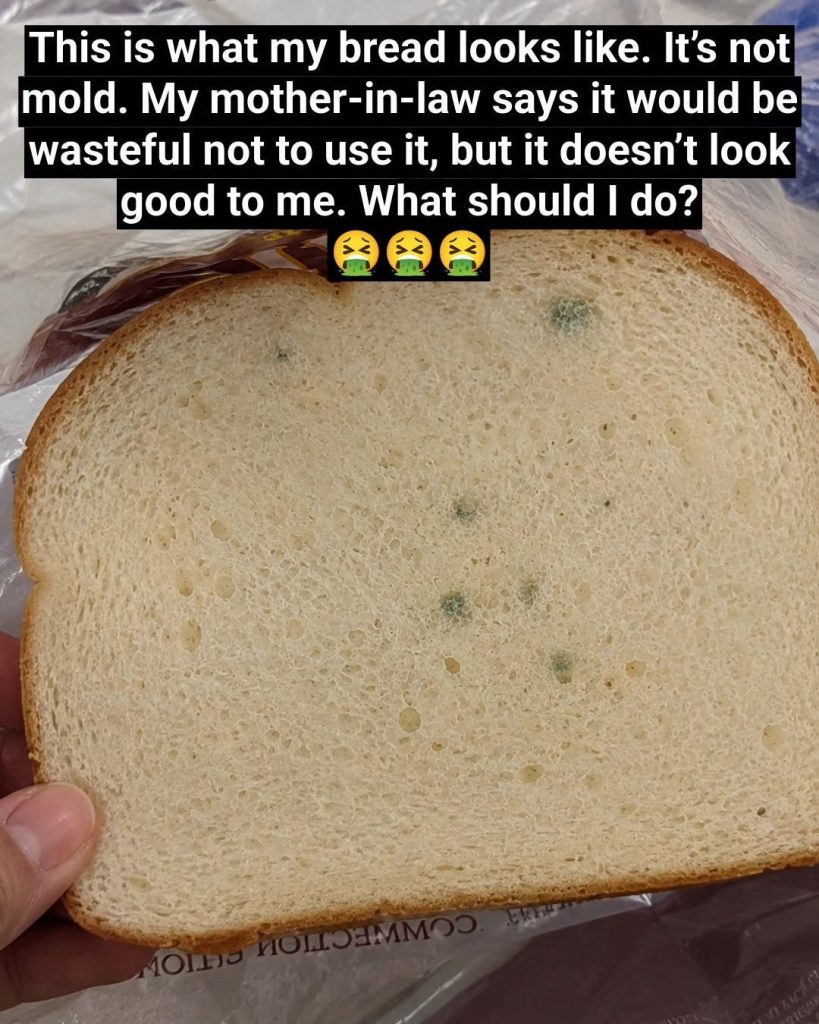
| Fuzzy green, blue, white, or black spots | Mold spores. | Discard the entire loaf immediately. |
| Sour or off-putting smell | Bacterial or fungal growth. | Discard immediately. |
🚨 Critical Rule: Do not just cut the mold off. On porous foods like bread, mold roots (hyphae) spread invisibly deep into the soft interior, even if the surface looks clean. Eating moldy bread can cause allergic reactions or respiratory issues. When in doubt, throw it out.
🔥 How to Bring Stale Bread Back to Life
If your bread is just stale (no mold!), you can easily reverse the retrogradation process by reintroducing heat and moisture.
Method 1: The Oven Revival (Best for Whole Loaves)
- Preheat your oven to 350°F (175°C).
- Lightly run the entire loaf under cold tap water for 2–3 seconds (yes, really! This provides the moisture needed to re-gelatinize the starches).
- Wrap the loaf tightly in aluminum foil.
- Bake for 10–15 minutes.
- Remove the foil for the last 3–5 minutes to crisp up the crust. Result: A loaf that tastes and feels freshly baked.
Method 2: The Toaster (Best for Slices)
Stale bread actually makes for great toast. The dry structure crisps exceptionally well without burning as quickly as fresh, moist bread. Pop it in the toaster, add a generous swipe of butter or jam, and enjoy.
🍳 5 Genius Ways to Repurpose Stale Bread
Stale bread isn’t trash—it’s a premium ingredient. In fact, many classic recipes specifically call for stale bread, as they would turn into a soggy mess if made with fresh loaves.
1. Homemade Breadcrumbs
- How-to: Tear the stale bread into chunks and pulse in a food processor until fine. For extra flavor, toast the crumbs in a dry skillet with a little olive oil, garlic powder, and dried herbs.
- Use for: Breading chicken cutlets, topping mac and cheese, or binding meatballs and meatloaf.
2. Ultimate Croutons
- How-to: Cut the bread into 1-inch cubes. Toss with olive oil, salt, pepper, and garlic powder. Spread on a baking sheet and bake at 375°F (190°C) for 10–15 minutes until golden and crunchy.
- Use for: Elevating Caesar salads, creamy soups, or eating by the handful as a snack.
3. Perfect French Toast
- Why it works: Fresh bread is too soft and will disintegrate in the egg-milk custard. Stale bread is sturdy and acts like a sponge, soaking up the rich custard without falling apart, resulting in a creamy interior and crispy exterior.
- Pro Tip: Let the slices soak for 2–3 minutes per side before frying in butter.
4. Classic Bread Pudding
- Why it works: Similar to French toast, bread pudding relies on dry bread to absorb the sweet, spiced custard mixture. The stale bread breaks down just enough to create a rich, cohesive, and comforting dessert.
5. Panzanella (Italian Bread Salad)
- How-to: This rustic Tuscan salad requires stale bread. Toss chunks of day-old bread with ripe, juicy tomatoes, red onion, fresh basil, cucumber, olive oil, and red wine vinegar.
- Why it works: The bread absorbs the tomato juices and dressing, becoming delightfully chewy and flavorful without turning to mush.
🧊 Pro Tips for Bread Storage (Preventing Stale Bread)
The best way to handle stale bread is to prevent it from happening in the first place.
| Storage Method | Verdict | Why? |
|---|---|---|
| Countertop (Paper bag) | ✅ Good for 1–2 days | Allows the crust to breathe and stay crisp. |
| Countertop (Plastic bag) | ⚠️ Okay for soft bread | Traps moisture, which keeps it soft but can encourage mold in humid climates. |
| Refrigerator | ❌ Avoid! | The cool temperature of the fridge accelerates starch retrogradation, making bread go stale up to 6x faster. |
| Freezer | ✅ Best Long-Term | Freezing halts the retrogradation process completely. Slice the loaf first, freeze in a sealed bag, and toast straight from frozen! |
❓ FAQs: Your Questions, Answered with Clarity
Q: Can I eat bread that is a few days past its “best by” date?
A: Yes. “Best by” dates are about quality, not safety. If it smells fine, has no mold, and is just a bit firm, it is perfectly safe to eat or repurpose.
Q: My bread has a tiny spot of mold. Can I just cut that part off?
A: No. As mentioned, mold on porous foods like bread has invisible roots that spread throughout the loaf. It is safest to discard the entire piece or loaf.
Q: Does toasting kill mold?
A: No. While heat kills some bacteria, it does not reliably destroy all mold spores or the mycotoxins they produce. Never toast moldy bread to “make it safe.”
Q: Why does artisan sourdough last longer than supermarket sandwich bread?
A: Sourdough’s natural acidity (from the fermentation process) acts as a mild, natural preservative that inhibits mold growth and slows down staling.
Q: Can I freeze bread that is already a little stale?
A: Yes, but it’s better to revive it first, then freeze it if you aren’t going to use it immediately. Freezing stale bread won’t make it fresh again until you apply heat and moisture.
📋 Quick-Reference Action Plan
Right Now: Assess Your Bread
- Inspect the loaf for any fuzzy spots or off smells.
- If moldy: Discard it safely in an outdoor trash bin.
- If just hard/dry: Decide whether to revive it or repurpose it.
This Week: Put Stale Bread to Work
- Make a batch of homemade croutons for your lunches.
- Pulse leftover heels into breadcrumbs and store in the freezer.
- Try a simple Panzanella salad for a zero-waste dinner.
Ongoing: Smart Storage Habits
- Stop storing bread in the refrigerator.
- Slice and freeze loaves you won’t finish within 3 days.
- Toast frozen bread directly for a fresh-baked feel.
💡 Remember: Resourcefulness in the kitchen is a skill. Every saved loaf is a small victory for your wallet and the planet.
🌱 A Compassionate Mindset: Grace in the Kitchen
It’s easy to feel a twinge of guilt when food goes bad. We’ve all stared at a rock-hard loaf and felt like we failed at “adulting.” Please hold this truth gently:
Bread staling is a natural, unavoidable process of chemistry, not a personal failure.
You are not wasteful for buying a loaf you couldn’t finish. You are resourceful for learning how to give it a second life. Every time you transform a hard heel into a delicious crouton or a comforting bread pudding, you are participating in a long, proud tradition of kitchen ingenuity.
💙 Affirmation: “I honor my food by using it wisely. I am capable, resourceful, and kind to myself in the kitchen.”
💬 Final Thought: The Beauty of the Second Act
There is a quiet joy in taking something that seems past its prime and revealing its hidden potential.
Stale bread is not the end of the story; it’s the beginning of a delicious second act. It’s the crunch in your salad, the custard-soaked center of your breakfast, the golden crust of your dinner.
So the next time you find a firm loaf on your counter, don’t sigh. Smile. You’ve just unlocked a pantry full of possibilities.
“In the kitchen, as in life, a little warmth and creativity can transform the driest moments into something wonderful.”
What is your favorite way to use up stale bread? Do you have a family recipe that relies on it? Share your tips below—we’re all learning to cook with intention and zero waste, together.
