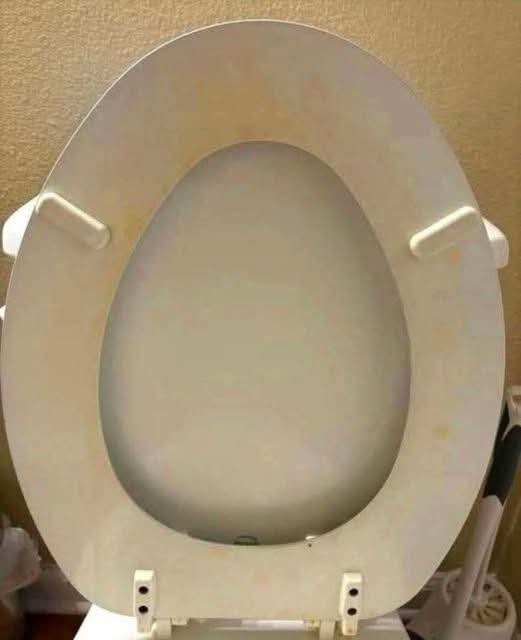
😩 “It Feels Embarrassing to Post This, But How Do I Remove These Stains?”
We’ve all been there.
You scrub, spray, and scrub some more… yet those stubborn stains refuse to budge.
Maybe you’ve already tried:
- All-purpose cleaner
- Baking soda
- Vinegar
- Dish soap
- Hot water
…and the stains are still staring back at you.
First, don’t be embarrassed. Stubborn stains happen in every home, even to people who clean regularly. The key is figuring out what kind of stain you’re dealing with and what surface it’s on, because different stains require different cleaning methods.
🧽 Why Some Stains Won’t Come Off
Not every mark is simple dirt.
Stubborn stains can be caused by:
- Soap scum
- Hard water mineral deposits
- Rust
- Mold or mildew
- Grease buildup
- Food residue
- Hair products
- Cleaning product residue
- Permanent discoloration from age or wear
If you’ve been using the wrong cleaner, you may simply be fighting the wrong type of stain.
🚿 If It’s Soap Scum
Soap scum often appears as a dull white or gray film in bathrooms.
Try:
- A cleaner specifically designed for soap scum.
- A non-scratch sponge or microfiber cloth.
- Letting the cleaner sit for several minutes before scrubbing.
Regular rinsing after showers can also help prevent buildup.
💧 If It’s Hard Water Buildup
Minerals from hard water can leave chalky white, yellow, or cloudy stains.
Products made to remove limescale or mineral deposits are often more effective than baking soda or all-purpose cleaners.
Always follow the manufacturer’s directions and test the product on a small, hidden area first.
🟠 If It’s Rust
Rust stains usually require a rust-removing cleaner.
General household cleaners often won’t remove rust completely.
Choose a product labeled for the surface you’re cleaning, and avoid using abrasive tools that could scratch the finish.
🌿 If It’s Mold or Mildew
Bathrooms and damp areas are especially prone to mold and mildew.
A mildew-removing cleaner may help remove surface growth, but if the mold has penetrated caulk, grout, or other porous materials, cleaning alone may not completely solve the problem.
Good ventilation and reducing moisture can help prevent it from returning.
🧼 Could It Be Permanent Damage?
Sometimes what looks like a stain isn’t actually dirt.
It could be:
- Worn finishes
- Etching
- Discoloration
- Fading
- Surface damage
If that’s the case, no amount of scrubbing will completely restore the original appearance.
In some situations, refinishing, repainting, replacing caulk, or replacing the affected material may be the best option.
🚫 Avoid These Common Mistakes
When tackling stubborn stains:
- Don’t mix cleaning products, especially bleach and ammonia.
- Avoid using abrasive steel wool on delicate surfaces.
- Don’t let harsh chemicals sit longer than recommended.
- Always test a new cleaner on an inconspicuous area first.
- Wear gloves and ensure good ventilation when using strong cleaning products.
🏠 Prevention Is Easier Than Removal
Once the stains are gone, a few simple habits can help keep them from returning:
- Wipe surfaces dry after use.
- Clean regularly instead of waiting for buildup.
- Improve ventilation in damp rooms.
- Address leaks or standing water promptly.
- Use cleaners appropriate for the specific surface.
A little routine maintenance can save a lot of scrubbing later.
The Bottom Line
If baking soda, vinegar, and all-purpose cleaner haven’t worked, don’t feel discouraged—or embarrassed. Some stains require a cleaner that’s specifically designed for the type of buildup you’re dealing with, while others may actually be permanent wear rather than removable dirt.
The most important step is identifying both the surface and the type of stain before choosing the right cleaning method.
💬 Have you ever battled a stain that seemed impossible to remove? What finally worked for you? Share your best cleaning tips and tricks in the comments!
