7. Packaging, Air Exposure, and the Role of Your FridgeProper packaging is crucial in maintaining the freshness of deli roast beef. Airtight packaging minimizes air exposure, slowing down oxidation and spoilage. Vacuum-sealed packages are particularly effective in preserving the color and flavor of the meat.In addition to packaging, the temperature and humidity levels in your refrigerator play a significant role. Keeping your fridge at a consistent temperature below 40°F (4°C) and ensuring that it is not overcrowded can help maintain optimal conditions for storing deli meats.
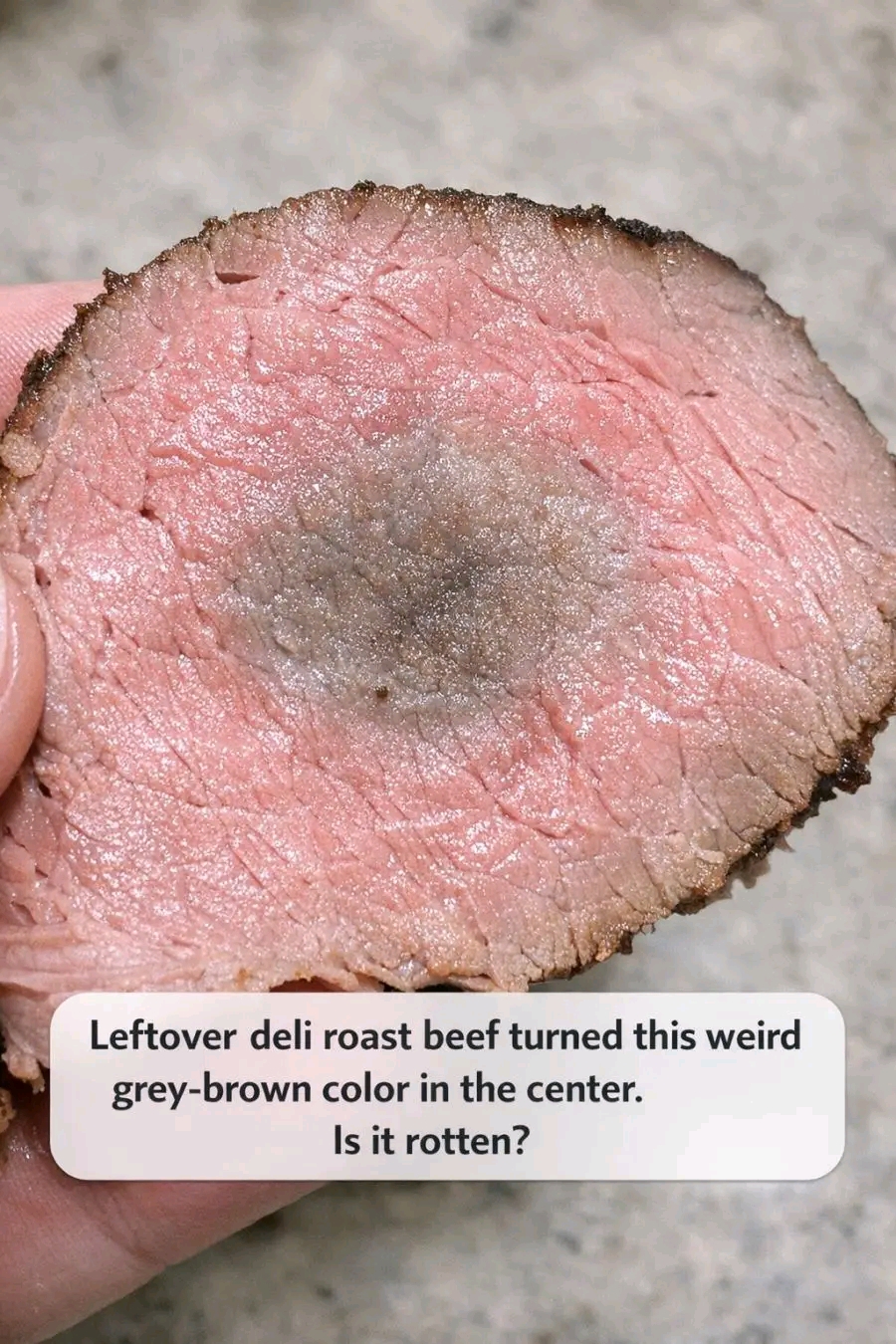
8. When Grey-Brown Meat Is Safe to Eat—and When to Toss ItGrey-brown meat is not automatically unsafe to eat. If the color change is due to natural processes like oxidation or protein denaturation, and there are no other signs of spoilage, the meat is likely safe. However, if the color change is accompanied by a bad smell, slimy texture, or has been stored beyond the recommended time, it’s best to discard it.Using a combination of sensory evaluation and understanding of storage guidelines can help you make informed decisions about the safety of your deli roast beef.
9. Reheating Leftover Roast Beef the Safe, Tasty WayWhen reheating leftover roast beef, it’s important to do so safely to avoid the risk of foodborne illness. Ensure that the meat is heated to an internal temperature of at least 165°F (74°C) to kill any potential bacteria.To retain moisture and flavor, consider reheating the meat in a covered dish with a small amount of broth or water in the oven or on the stovetop. Avoid using a microwave, as it can dry out the meat and lead to uneven heating.
10. Smart Storage Hacks to Keep Deli Meat Looking and Tasting FreshTo keep deli roast beef fresh for as long as possible, store it in an airtight container or vacuum-sealed bag in the refrigerator. If you purchase deli meat in bulk, consider dividing it into smaller portions and freezing some for later use. This prevents unnecessary exposure to air and reduces the chance of spoilage.Labeling packages with the purchase or opening date can help you keep track of how long the meat has been stored and ensure it is used within a safe timeframe.
11. When in Doubt: Simple Rules for Avoiding Foodborne IllnessWhen it comes to food safety, it’s always better to be cautious. If you’re ever unsure about the freshness or safety of your deli roast beef, it’s best to discard it. Consuming spoiled meat can lead to foodborne illnesses, which can be serious, especially for vulnerable populations.Remember the adage: “When in doubt, throw it out.” Adhering to proper storage guidelines and regularly cleaning your refrigerator can also help minimize the risk of contamination and ensure that your food remains safe to eat.
