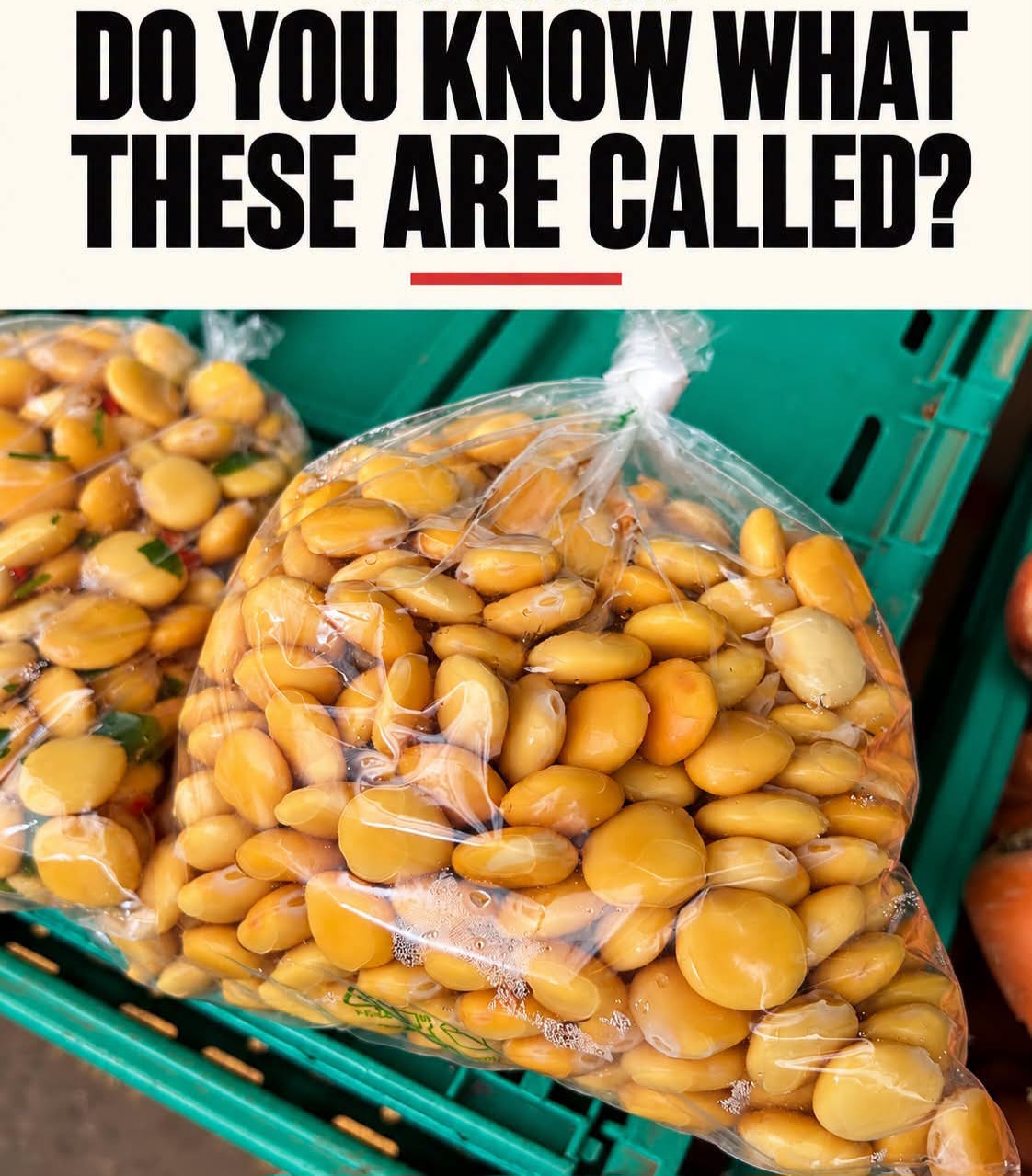
Lupini Beans: The Yellow Mediterranean Snack
Lupini beans are the edible seeds of plants in the Lupinus family. They are large, flat, yellow beans with a firm, slightly crunchy texture. They are commonly sold cooked and preserved in salted water or brine.
Why do they need special preparation?
Raw lupini beans can contain naturally occurring bitter alkaloids, which can be harmful if consumed in high amounts. Traditionally, dried lupini beans are boiled and then soaked in fresh water repeatedly for several days to remove these bitter compounds.
This is why commercially prepared lupini beans are usually already processed and ready to eat.
What do they taste like?
Properly prepared lupini beans have a mild, slightly nutty flavor and a firm, crunchy texture. The thin outer skin can be eaten, although many people squeeze the bean out of its skin before eating it.
Where are they popular?
Lupini beans have been eaten for centuries around the Mediterranean, Middle East, and North Africa. They are particularly popular as a snack in countries such as:
- Morocco
- Egypt
- Tunisia
- Algeria
- Greece
- Italy
- Spain
- Portugal
They are often served as a simple snack with salt, and sometimes with lemon or other seasonings.
Are they nutritious?
Yes. Lupini beans are especially notable for being high in plant protein and dietary fiber. They can make a filling snack and are useful as a plant-based source of protein.
However, beans sold in brine can contain a significant amount of salt, so people watching their sodium intake should check the label or rinse them before eating.
Important safety point
Do not eat raw or improperly prepared bitter lupini beans. Some varieties contain high levels of bitter alkaloids. If you buy dried beans, they need proper soaking and cooking. If you buy them ready-to-eat, follow the package instructions.
In short: The beans in the image are lupini beans—a traditional Mediterranean and North African snack that is boiled, soaked to remove bitterness, and usually eaten salted.
