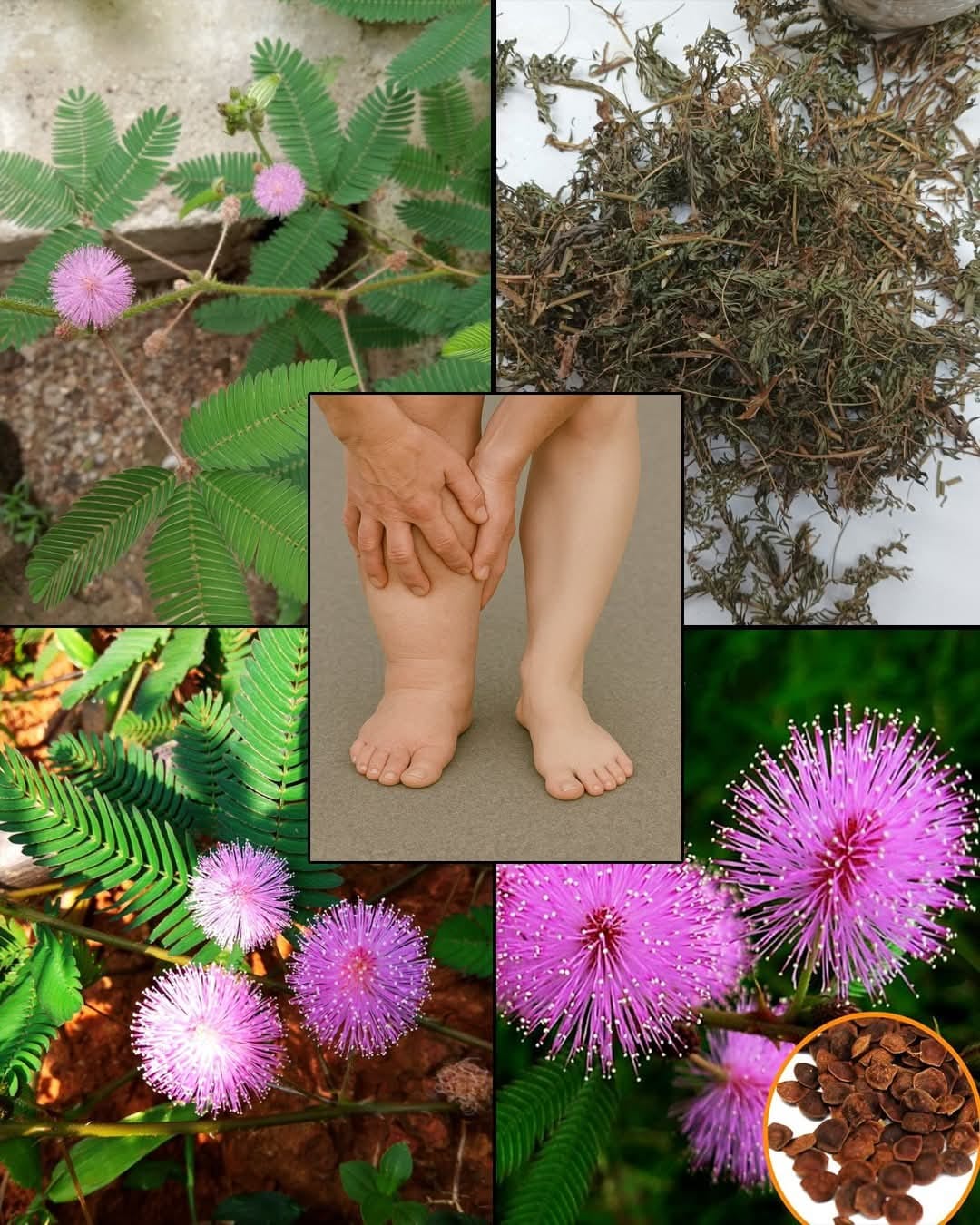
Have you ever touched a plant that seems to shy away, folding its leaves in response? Mimosa pudica, often called the “sensitive plant” or “touch-me-not,” is not only fascinating for its unique behavior but also for its potential health benefits. Traditionally used in Ayurvedic medicine, this plant is gaining attention for its possible role in supporting digestion, reducing inflammation, and promoting wellness. In this article, we’ll explore the science behind Mimosa pudica’s benefits, how to use it safely, and why it’s capturing the interest of health-conscious Americans. Let’s uncover the natural power of this remarkable plant!
What Is Mimosa Pudica?
Mimosa pudica is a creeping, perennial herb native to South and Central America, now found in many parts of the world, including India and the Philippines. Known for its thigmonastic movement—where leaves fold inward when touched or disturbed—it’s a favorite in gardens and a curiosity for kids. According to WebMD, the plant’s leaves, seeds, and roots contain bioactive compounds like alkaloids (e.g., mimosine), flavonoids, and tannins, which may contribute to its medicinal properties.
In traditional medicine, Mimosa pudica has been used for centuries to address digestive issues, skin conditions, and inflammation. While modern research is still catching up, preliminary studies suggest it may offer benefits for gut health, mood, and more. However, it’s essential to approach its use with caution and consult a healthcare provider.
Potential Health Benefits of Mimosa Pudica
Mimosa pudica’s diverse phytochemicals make it a candidate for supporting various aspects of health. Here’s what research and traditional use suggest:
Supports Digestive Health: The seeds of Mimosa pudica form a mucilaginous gel when mixed with water, which may bind to toxins and support gut cleansing, per a 2016 study in Pharmacognosy Research. This gel may help with bloating and irregular bowel movements.
