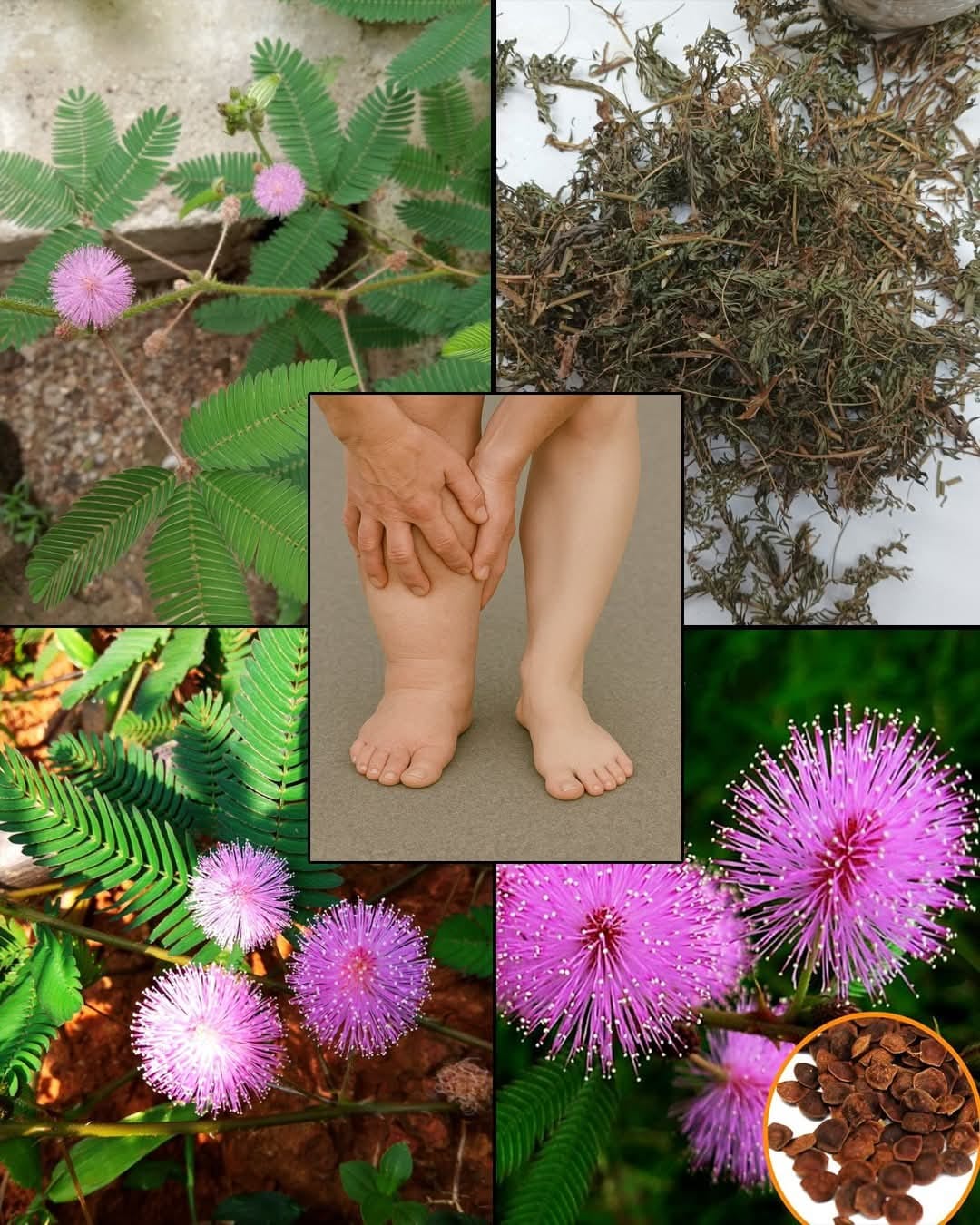
Reduces Inflammation: Its anti-inflammatory properties, driven by flavonoids and tannins, may help ease joint discomfort or minor swelling, according to Phytotherapy Research.
Antioxidant Protection: The plant’s antioxidants may combat oxidative stress, potentially reducing the risk of chronic conditions, per Harvard Health’s insights on antioxidants.
Mood and Sleep Support: A 2016 study in Pharmacognosy Research found that Mimosa pudica extracts showed anti-anxiety and antidepressant effects in mice, suggesting potential mood-enhancing benefits.
Wound Healing: Traditionally applied to minor cuts, its antimicrobial properties may promote faster healing, as noted in a 2009 study in Journal of Ethnopharmacology.
While these benefits are promising, most studies are preliminary, and human clinical trials are limited. Always consult a doctor before using Mimosa pudica for health purposes.
How to Use Mimosa Pudica Safely
Mimosa pudica can be used in various forms, such as teas, powders, or capsules, but safety is key. Here are practical ways to incorporate it into your routine:
For Digestive Support
Tea: Steep 1–2 teaspoons of dried Mimosa pudica leaves or roots in hot water for 5–10 minutes. Strain and sip once daily, ideally on an empty stomach.
Capsules: Take 500–1000 mg of Mimosa pudica seed powder capsules daily, as recommended by brands like Double Wood Supplements, with water and preferably before meals.
Smoothie Add-In: Mix ½ teaspoon of Mimosa pudica seed powder into a morning smoothie for a gut-health boost.
For Topical Use
Wound Paste: Crush fresh leaves into a paste and apply to minor cuts or scrapes. Rinse off after 10–15 minutes. Always do a patch test first.
Joint Relief: Mix dried leaf powder with a carrier oil (like coconut oil) and massage onto areas of minor discomfort.
General Guidelines
Start Small: Begin with a low dose (e.g., ½ teaspoon powder or 1 capsule) to assess tolerance.
