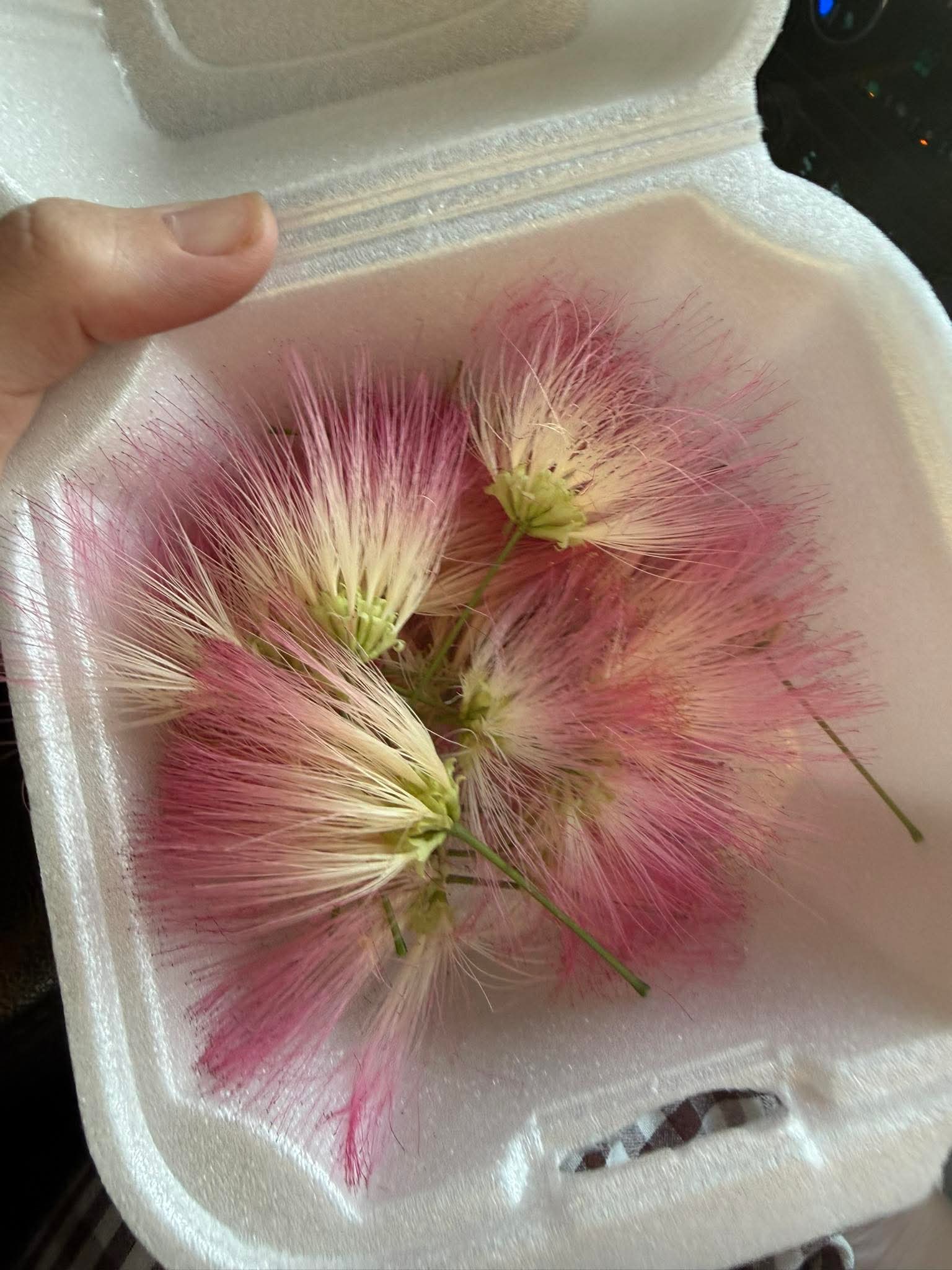
🌸 Mimosa Tree Tea vs. Tincture: Traditional Uses, Preparation, and What People Report
The mimosa tree, often called the “silk tree,” is admired for its beautiful pink flowers and delicate fern-like leaves. Beyond its ornamental appeal, parts of the tree—particularly the flowers and bark—have been used in traditional herbal practices for centuries.
In traditional East Asian herbalism, mimosa has sometimes been referred to as the “tree of happiness” because of its historical association with emotional well-being and relaxation.
But what exactly is mimosa used for, and how do tea and tincture preparations differ?
What Is the Mimosa Tree?
The mimosa tree, scientifically known as Albizia julibrissin, is a fast-growing ornamental tree native to parts of Asia and now found in many regions around the world.
Traditional herbal preparations typically use:
- The flowers
- The bark
- Occasionally the leaves
Each part contains different plant compounds that herbalists have historically valued.
Traditional Uses of Mimosa
For generations, mimosa has been used in traditional herbal systems to support:
🌸 Relaxation
🌸 Emotional balance
🌸 Stress management
🌸 Restful sleep
🌸 General well-being
It’s important to note that many of these uses come from traditional practices and historical herbal texts. Scientific research on mimosa remains limited, and more studies are needed to confirm many of these traditional claims.
Mimosa Tea
Tea is one of the simplest ways people prepare mimosa flowers.
Basic Mimosa Flower Tea
Ingredients:
- 1 to 2 teaspoons dried mimosa flowers
- 1 cup hot water
Instructions:
- Place dried flowers in a cup.
- Pour hot water over them.
- Cover and steep for 10–15 minutes.
- Strain and enjoy.
The resulting tea is typically mild, floral, and lightly aromatic.
What People Report
Many herbal tea drinkers describe mimosa tea as:
- Gentle
- Calming
- Relaxing
- Pleasant before bedtime
Because tea is water-based, it tends to extract different compounds than alcohol-based preparations.
Mimosa Tincture
A tincture is a concentrated herbal extract made by soaking plant material in alcohol.
The alcohol extracts and preserves a broader range of plant compounds than water alone.
Traditional Tincture Method
A typical tincture is made by:
- Placing dried mimosa flowers or bark in a glass jar.
- Covering completely with alcohol.
- Sealing the jar.
- Allowing it to steep for several weeks.
- Straining and storing the liquid extract.
What People Report
Herbalists often describe tinctures as:
- More concentrated
- Longer lasting
- Easier to store
- Convenient for small servings
Because tinctures are more concentrated than tea, many people use much smaller amounts.
Tea vs. Tincture
Mimosa Tea
Advantages:
✅ Gentle preparation
✅ Pleasant flavor
✅ Easy to make
✅ Relaxing ritual
Potential limitations:
- Less concentrated
- Short shelf life
Mimosa Tincture
Advantages:
✅ Concentrated extract
✅ Long shelf life
✅ Convenient storage
✅ Small serving size
Potential limitations:
- Contains alcohol
- Stronger taste
- Requires preparation time
Safety Considerations
As with any herb, caution is important.
People should consider speaking with a healthcare professional before using herbal products, especially if they:
- Are pregnant or breastfeeding
- Take prescription medications
- Have underlying medical conditions
- Have known plant allergies
Natural does not automatically mean risk-free.
Why Mimosa Remains Popular
Part of the mimosa tree’s appeal comes from its long history in traditional herbal practices.
Its beautiful flowers, pleasant aroma, and reputation for supporting relaxation have helped maintain interest across generations.
Whether enjoyed as a tea or prepared as a tincture, many herbal enthusiasts appreciate mimosa as part of a broader wellness routine.
The Bottom Line
The mimosa tree has a rich history in traditional herbal use, particularly for relaxation and emotional well-being.
Tea offers a gentle, soothing preparation that many people enjoy as part of a calming evening ritual. Tinctures provide a more concentrated extract that can be stored and used conveniently over time.
While many people report positive experiences with both preparations, scientific research remains limited, and herbal remedies should be approached thoughtfully and responsibly.
🌸 Have you ever tried mimosa flower tea or a mimosa tincture? Which preparation do you prefer?
