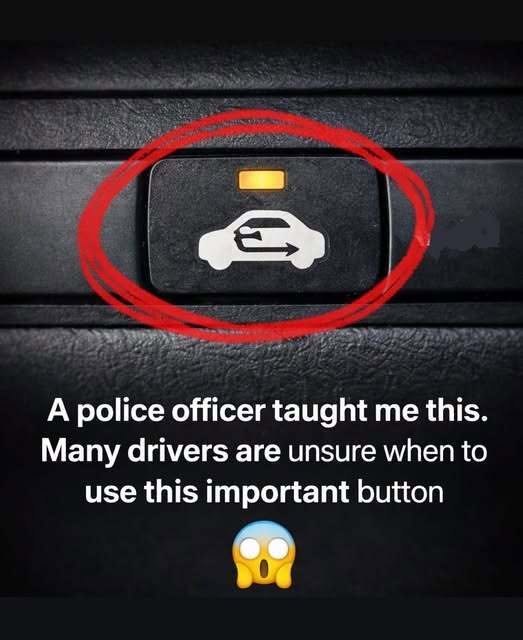
What Your Car’s Air Recirculation Button Really Does and When You Should Use It
The Small Dashboard Control That Changes Cabin Airflow
Among the many controls on a vehicle’s dashboard, the air recirculation button is one of the easiest to overlook. Its symbol usually shows a small car with a curved arrow moving around inside it, yet many drivers are unsure what happens after the button is pressed.
The feature controls where the vehicle’s ventilation system gets the air it sends into the cabin. When recirculation is turned off, the system brings in air from outside the vehicle.
When the button is activated, the ventilation system reduces the amount of outside air entering the cabin and begins reusing the air that is already inside. In practical terms, the feature temporarily creates a more enclosed environment for the driver and passengers.
This simple change can affect cabin temperature, comfort, outside odors, air-conditioning performance, and the way occupants feel during a journey. The feature can be highly useful, but it is not intended to remain active in every situation.
Why Recirculation Can Feel Like a Protective Bubble
Drivers regularly pass through areas where the outside air is unpleasant. A smoky vehicle may be directly ahead, traffic fumes may become noticeable, or a strong roadside odor may suddenly enter through the ventilation system.
Activating recirculation in these moments helps limit the amount of outside air being pulled into the cabin. Instead of continuously drawing from the road environment, the system reuses the air already circulating inside the car.
Continue Reading 👇 Next Page
