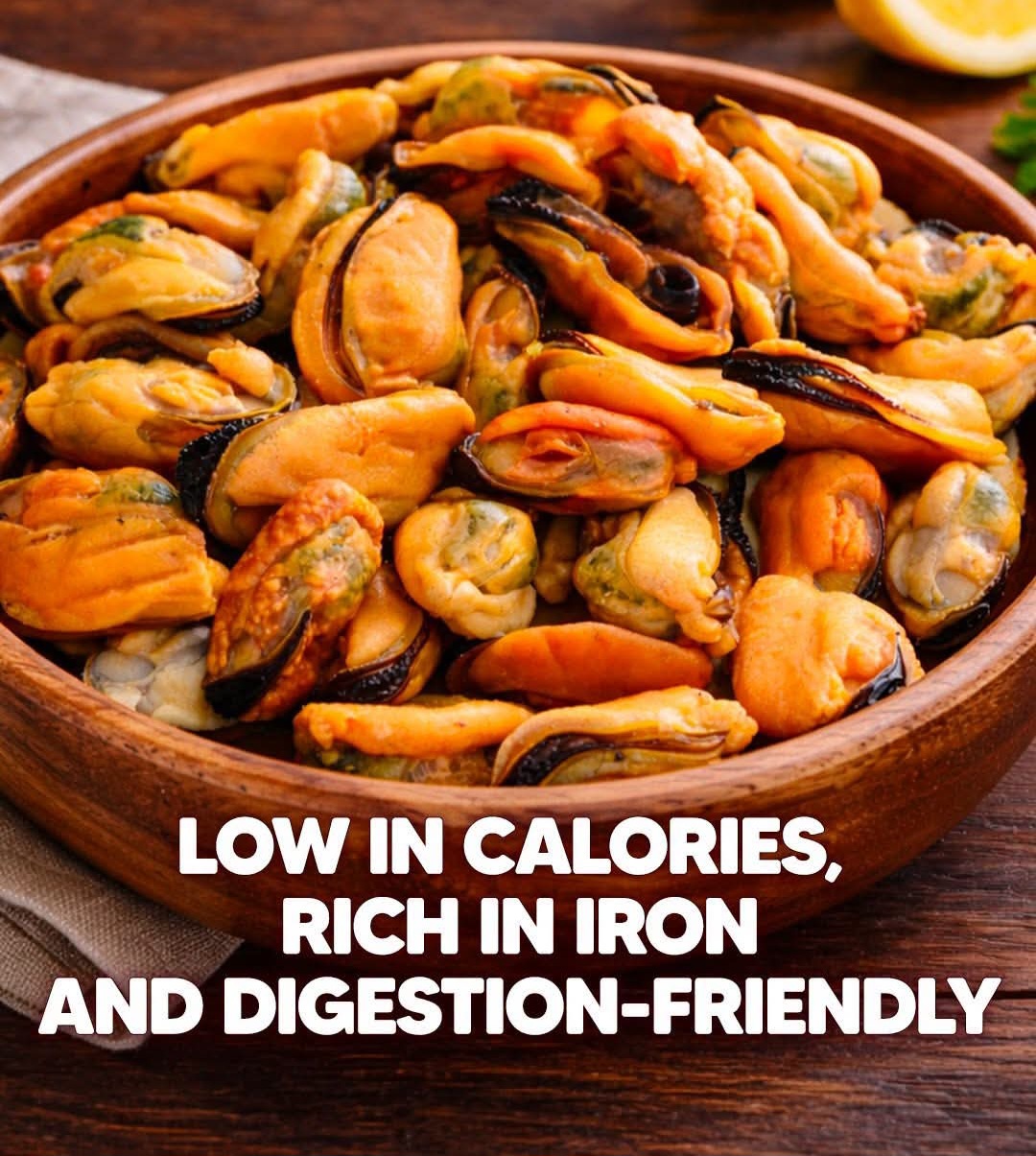
Mussels: Properties, Benefits, and Contraindications
Mussels are a nutritious type of shellfish enjoyed around the world for their tender texture and rich, savory flavor. Whether steamed in garlic butter, added to pasta, or served in seafood stews, mussels are not only delicious but also packed with important nutrients that support a healthy diet.
Like all foods, however, mussels may not be suitable for everyone. Here’s a closer look at their nutritional properties, potential health benefits, and important precautions to keep in mind.
What Are Mussels?
Mussels are edible shellfish that live in both saltwater and freshwater environments. The most commonly eaten varieties are farmed in coastal waters, where they naturally filter plankton from the water as they grow.
Because mussels are filter feeders, they should always be purchased from reputable suppliers and cooked properly before eating.
Nutritional Properties
Mussels are naturally rich in several important nutrients, including:
- High-quality protein
- Vitamin B12
- Iron
- Zinc
- Selenium
- Iodine
- Phosphorus
- Manganese
- Omega-3 fatty acids
They are also relatively low in calories and saturated fat, making them a nutrient-dense addition to many eating patterns.
Potential Health Benefits
Excellent Source of Protein
Mussels provide complete protein, containing all of the essential amino acids your body needs for muscle maintenance, tissue repair, and overall health.
Rich in Vitamin B12
Vitamin B12 supports healthy nerve function and helps your body produce red blood cells. Mussels are one of the richest natural food sources of this vitamin.
Supports Heart Health
Mussels contain omega-3 fatty acids, which are associated with heart health as part of a balanced diet. Omega-3s may help support normal heart function and contribute to overall cardiovascular wellness.
Good Source of Iron
Iron helps carry oxygen throughout the body and supports healthy red blood cell production. Including iron-rich foods like mussels can help meet daily nutrient needs.
Provides Important Minerals
Mussels supply zinc, selenium, iodine, and phosphorus, which play roles in:
- Immune function
- Thyroid health
- Bone health
- Normal metabolism
- Antioxidant defense
Low in Calories
Compared with many other animal protein sources, mussels are relatively low in calories while providing a satisfying amount of protein.
How to Enjoy Mussels
Mussels can be prepared in many delicious ways, including:
- Steamed with garlic and herbs
- Cooked in white wine broth
- Added to seafood pasta
- Mixed into paella
- Served in seafood chowder
- Added to tomato-based stews
- Grilled with butter and lemon
Pair them with crusty bread to soak up the flavorful broth.
Contraindications and Precautions
While mussels are healthy for many people, there are situations where caution is needed.
Shellfish Allergy
People with a shellfish allergy should avoid mussels entirely. Allergic reactions can range from mild symptoms to severe, life-threatening anaphylaxis.
Food Safety
Never eat mussels that:
- Smell unpleasant
- Have cracked shells
- Do not close when tapped before cooking
- Remain tightly closed after cooking (discard these)
Always cook mussels thoroughly to reduce the risk of foodborne illness.
Raw Mussels
Raw or undercooked mussels may carry harmful bacteria or viruses. People at higher risk of severe foodborne illness—including pregnant women, older adults, and those with weakened immune systems—should avoid eating raw shellfish.
Sodium Content
Some prepared mussel dishes, especially canned or heavily seasoned varieties, may contain significant amounts of sodium. Check nutrition labels if you’re limiting salt intake.
Gout
Like other shellfish, mussels contain purines. People with gout or high uric acid levels may be advised by their healthcare provider to moderate their intake.
Buying and Storing Mussels
Choose mussels that:
- Smell fresh like the ocean
- Have tightly closed shells or close when lightly tapped
- Feel heavy for their size
Store fresh mussels in the refrigerator in a bowl covered with a damp cloth. Do not store them in an airtight container or submerged in fresh water.
Cook them within 1–2 days of purchase for the best quality and safety.
Frequently Asked Questions
Are Mussels Healthy?
Yes. Mussels are a nutrient-rich food that provides protein, vitamins, minerals, and omega-3 fatty acids while being relatively low in calories.
Can You Eat Mussels Every Day?
Most people can enjoy mussels as part of a varied, balanced diet. As with any food, variety is important, and seafood intake should align with local dietary recommendations.
Are Farmed Mussels Safe?
Farmed mussels from reputable producers are generally considered safe and are often monitored for water quality and food safety.
Final Thoughts
Mussels are a flavorful, nutrient-dense seafood that can be a healthy addition to many diets. They provide high-quality protein, vitamin B12, iron, omega-3 fatty acids, and other essential nutrients while remaining relatively low in calories.
However, they should always be purchased from trusted sources, cooked properly, and avoided by anyone with a shellfish allergy. By following safe food handling practices and enjoying them as part of a balanced diet, you can make the most of this delicious seafood delicacy. 🦪🌊
