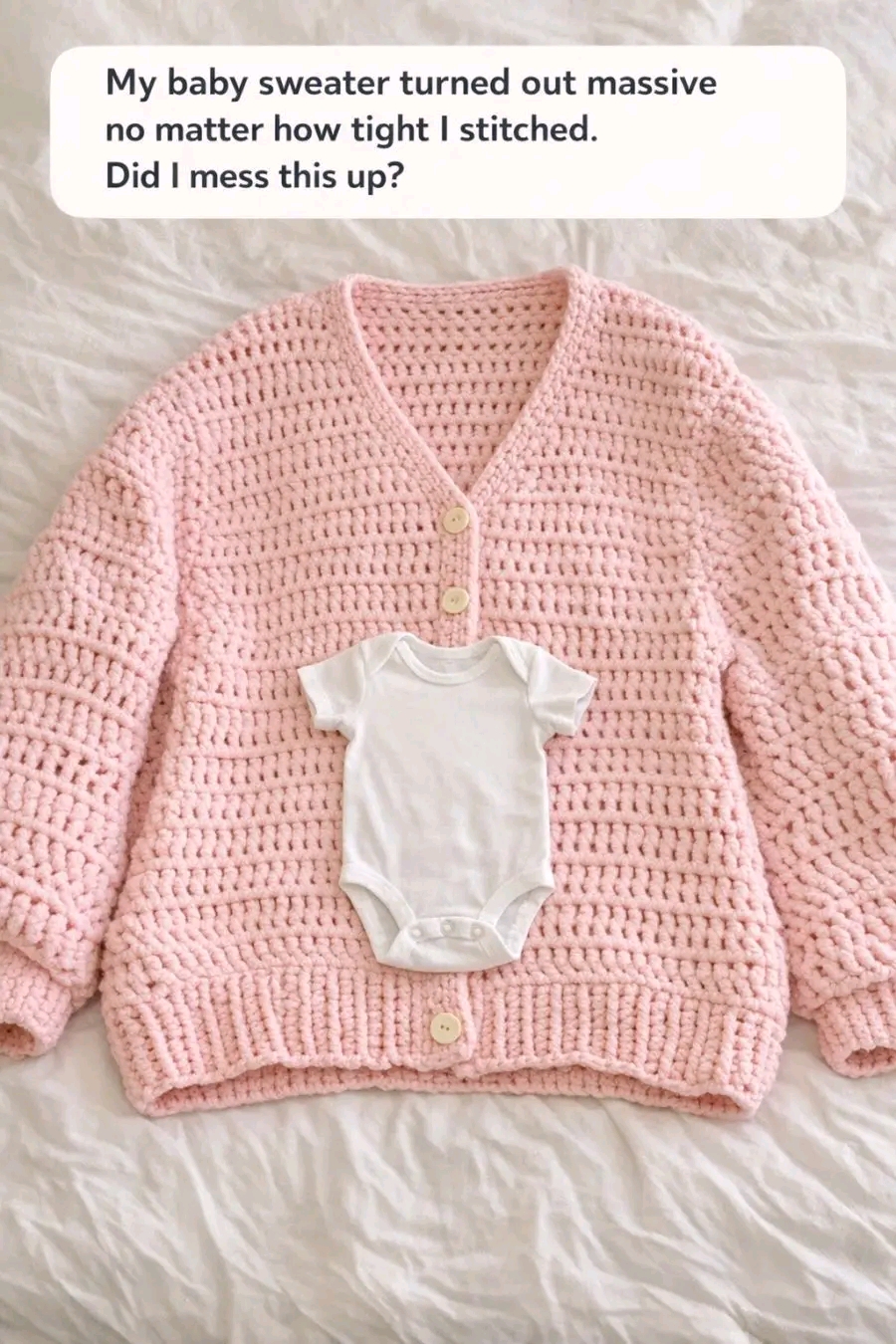
Knitting a baby sweater is often seen as a delightful project for many crafters, whether they’re seasoned veterans or enthusiastic beginners. The thought of creating a tiny garment with your own two hands brings a sense of accomplishment and joy. Yet, there are common pitfalls that can lead to unexpected results, like ending up with a sweater that’s much larger than anticipated. This scenario, while frustrating, is not uncommon and can be attributed to several factors.In this article, we’ll explore the various reasons why your baby sweater might have turned out massive, despite your best efforts to stitch tightly. Understanding these reasons can help demystify the process and prevent similar issues in future projects. Whether it’s a matter of gauge, yarn weight, or pattern misreading, we’ll cover it all so you can knit with confidence.
1. No, You Probably Didn’t ‘Mess Up’—Here’s What Really HappenedMany knitters automatically blame themselves when a project doesn’t turn out as expected. However, knitting is a complex craft with multiple variables at play. If your baby sweater turned out massive, it’s likely not a single ‘mistake’ but rather a combination of factors that led to the oversized result.Understanding these factors can often reveal that the issue isn’t with your knitting skills but with elements like yarn choice, gauge, or pattern interpretation. Often, knitters find that adhering strictly to a pattern without considering these variables can lead to unexpected outcomes.
2. How Yarn Weight Quietly Triples the Size of a Baby SweaterYarn weight plays a crucial role in determining the size of your finished garment. Using a heavier yarn than the pattern calls for can significantly increase the size of the sweater. For example, if a pattern specifies a DK weight yarn and you use a worsted weight, the resulting fabric will be bulkier and larger.This seemingly minor substitution can lead to a sweater that’s up to three times the expected size, especially if the gauge is not adjusted accordingly. Always check the recommended yarn weight and try to match it as closely as possible to achieve the intended fit.
3. The Gauge Swatch You Skipped (Or Rushed) Is the Main CulpritGauge is the number of stitches and rows per inch that you achieve with your chosen yarn and needle size. Skipping the gauge swatch, or not measuring it accurately, is one of the most common reasons for size discrepancies in knitting projects.By knitting a swatch and blocking it, you can ensure that your knitting matches the pattern’s gauge. If your gauge is off by just a few stitches per inch, it can dramatically alter the dimensions of the finished sweater. Taking the time to create a proper swatch can save you the frustration of a mismatched size later.
