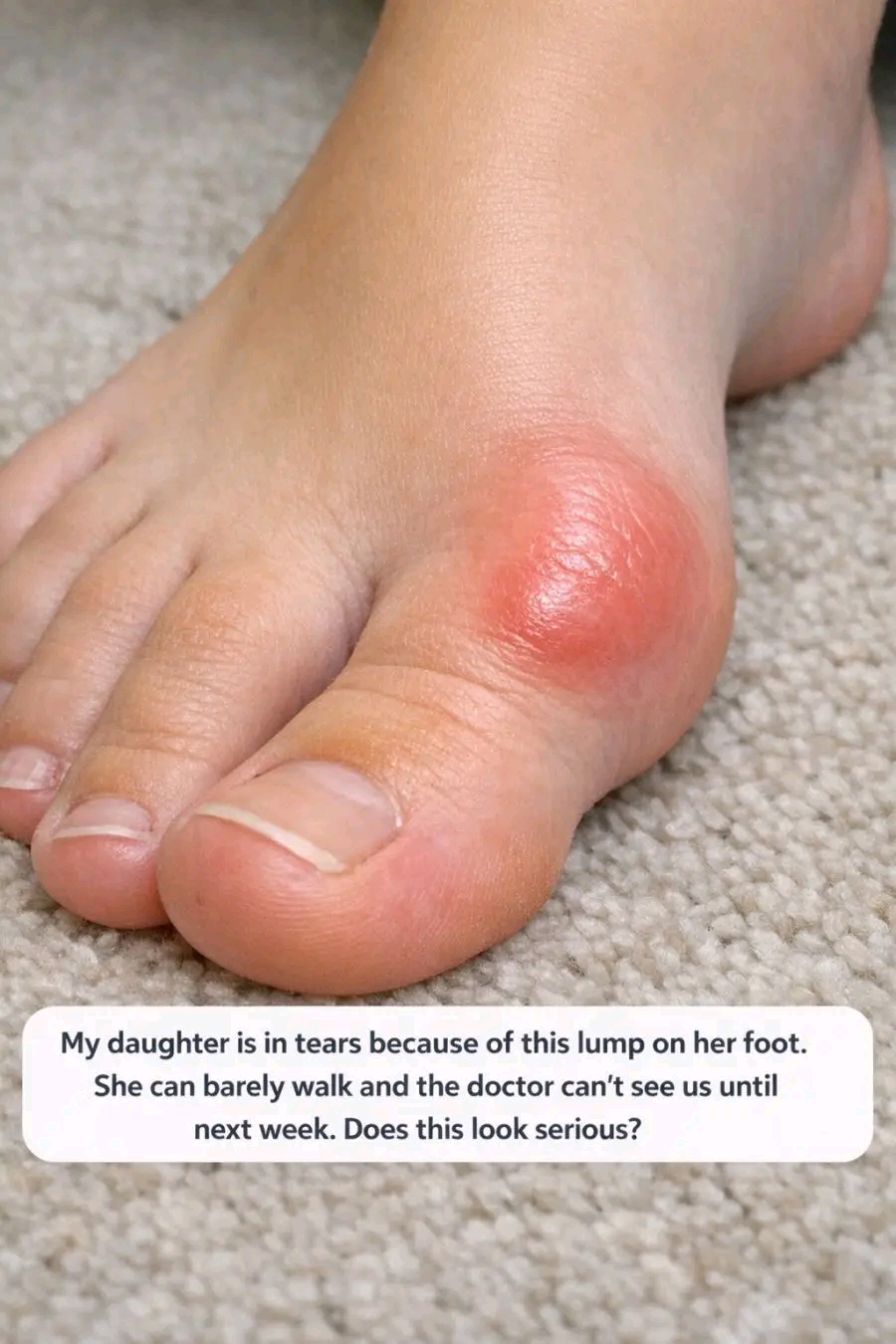
4. How to Tell a Bunion From a Bruise, Wart, or Infection
Distinguishing a bunion from other foot conditions involves examining the characteristics of the lump. A bunion is typically a firm, bony bump that develops slowly over time. In contrast, a bruise will often have a discoloration, such as purple or blue, and is softer to the touch.Warts are generally smaller, have a rough texture, and may have tiny black dots in the center. An infection will often be accompanied by redness, warmth, and possibly pus. If the lump is causing systemic symptoms like fever or chills, it could suggest an infection and warrants prompt medical evaluation.
5. Why Children Get Bunions and When to Worry About Long-Term Damage
Bunions in children can result from genetic predisposition, foot structure, or wearing shoes that are too tight. If a close family member has bunions, your child might be more susceptible.Long-term damage from untreated bunions can lead to joint deformity and chronic pain, potentially affecting your child’s ability to walk comfortably. If you notice signs of a bunion, it’s important to consult a healthcare provider to discuss management strategies to prevent progression.
6. At-Home Checks You Can Safely Do Before the Doctor Visit
Before your doctor’s appointment, there are some at-home checks you can perform to gather more information. Gently palpate the lump to assess its size, texture, and whether it causes pain on touch.Ask your child to walk and observe if the pain alters their gait or if certain shoes exacerbate the symptoms. Document any changes in the lump’s appearance, such as size increase, color changes, or temperature differences, as these details can be helpful for your doctor’s assessment.
