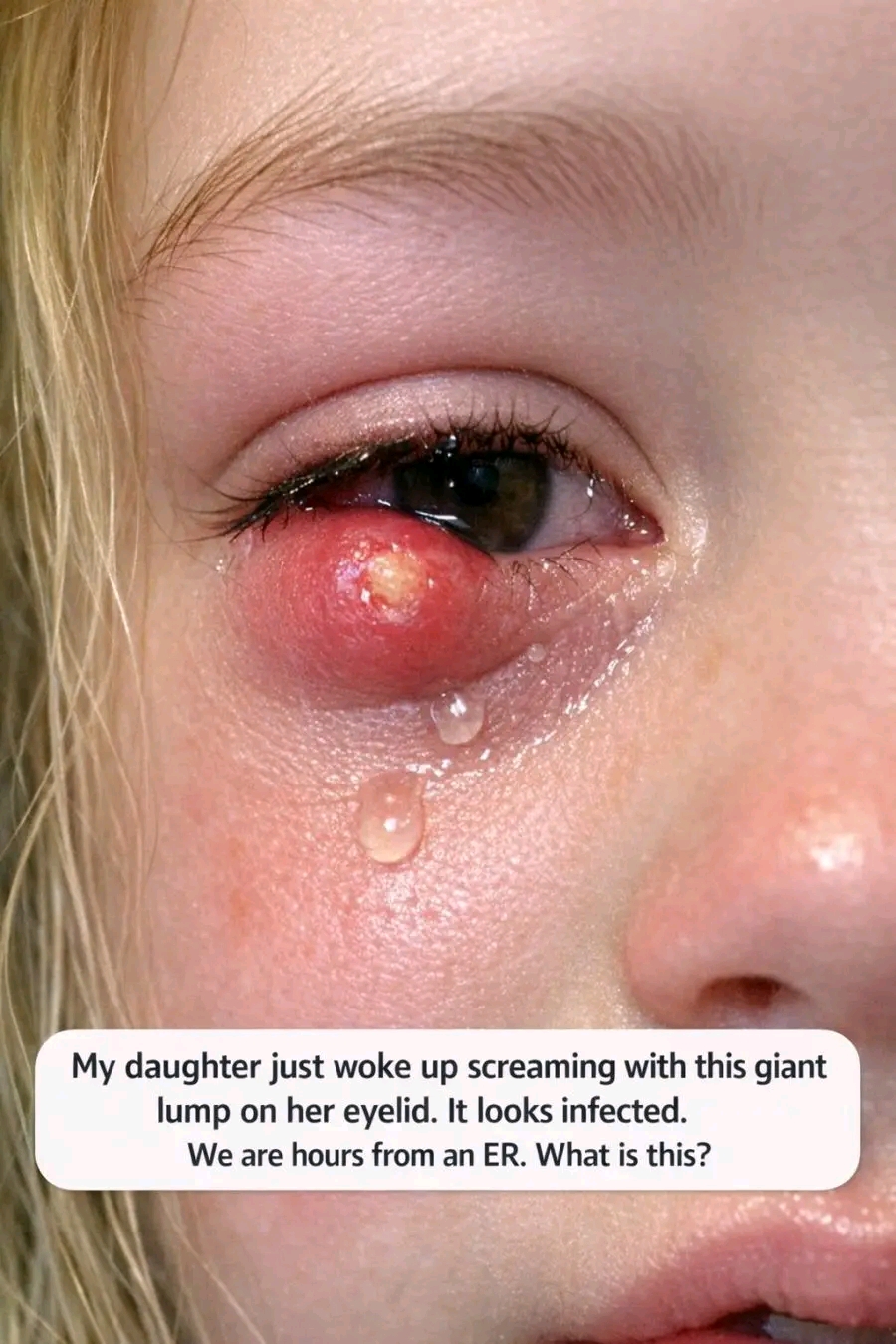
Waking up to the sound of your child screaming in the middle of the night is every parent’s worst nightmare. When you rush to their side and discover a giant, inflamed lump on their eyelid, panic can quickly set in, especially when medical help is hours away. Knowing what you’re dealing with and how to manage it can make a world of difference in these crucial moments.In this article, we’ll explore potential causes of sudden eyelid swelling in children, focusing on common issues such as styes. We’ll also guide you on how to differentiate between various types of eyelid lumps, identify red flags that necessitate emergency care, and provide tips for at-home management until professional help is accessible.
1. The Most Likely Culprit: A Sudden, Painful StyeA stye, or hordeolum, is a common and painful infection of the eyelid’s oil glands, often caused by bacteria. It manifests as a red, swollen lump that can be tender to the touch. Styes typically develop quickly, sometimes overnight, and can cause significant discomfort.Styes usually measure between 1-2 cm in diameter and may have a visible yellowish spot at the center, indicating pus accumulation. They can occur on either the upper or lower eyelid and are more prevalent in children who frequently touch their eyes with unwashed hands.
2. How To Tell a Stye From Other Eyelid LumpsWhile styes are common, not every eyelid lump is a stye. Chalazia, for instance, are another type of eyelid lump caused by a blocked oil gland, but they are usually not painful and develop more slowly. Unlike styes, chalazia tend to be larger and less red.Another possibility is a cyst or abscess, which can also cause swelling and redness but may require different treatments. Identifying the characteristics of the lump—such as its location, size, pain level, and color—can help differentiate between these conditions.
3. Red-Flag Symptoms That Mean You Need Emergency Help NowCertain symptoms accompanying an eyelid lump warrant immediate medical attention. These include fever, vision changes, severe redness and swelling that spreads beyond the eyelid, and inability to open the eye. These signs could indicate a more serious infection, such as cellulitis, that requires urgent care.If your child experiences difficulty breathing or swallowing, or if the swelling is rapidly progressing, seek emergency medical assistance as these symptoms could suggest a spreading infection.
