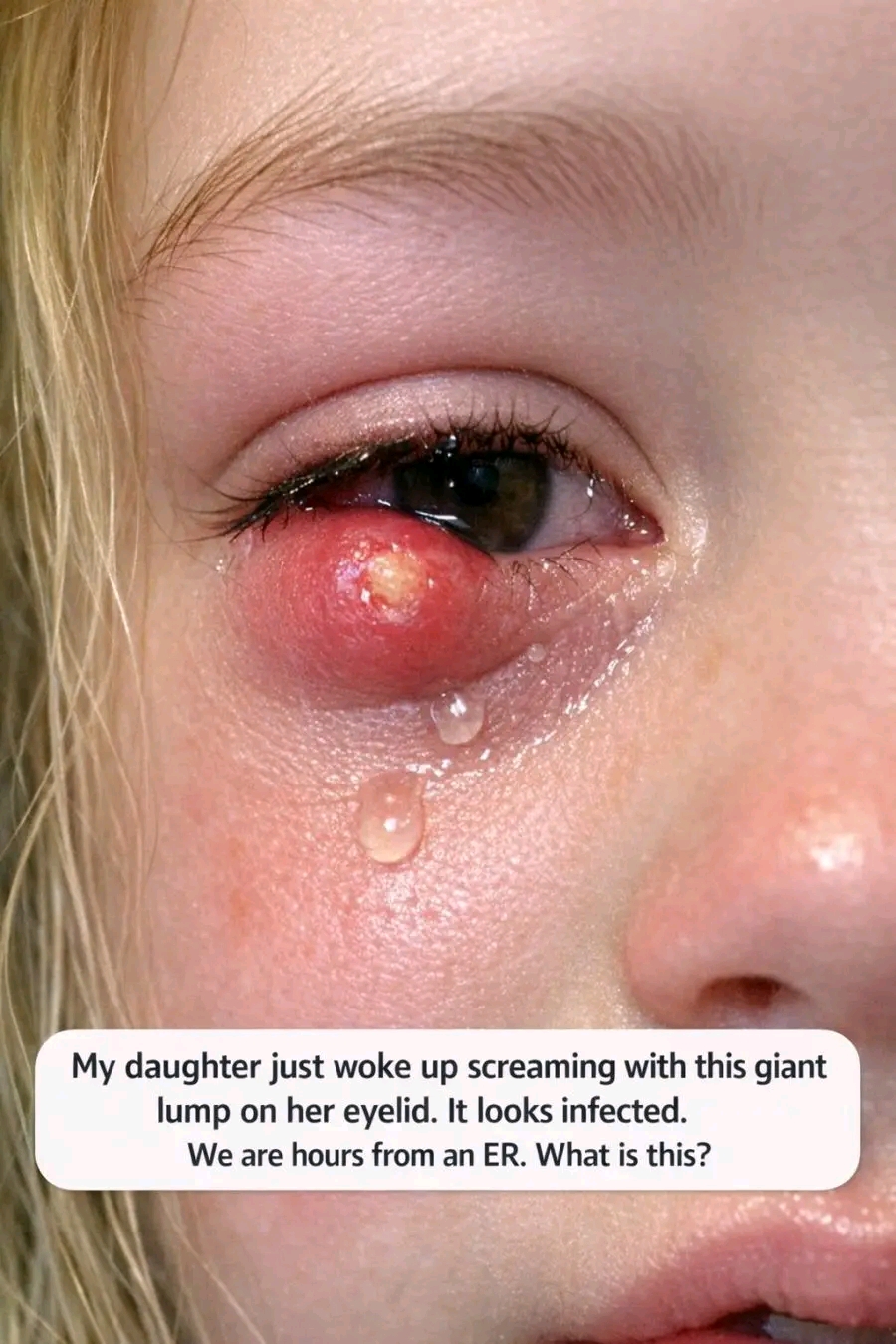
4. When a “Simple” Stye Can Turn Into a Serious InfectionWhile most styes resolve on their own, they can occasionally lead to complications if left untreated or improperly managed. A stye can develop into a more severe infection, such as preseptal or orbital cellulitis, which affects the tissues surrounding the eye and can be dangerous.Signs of a worsening infection include an increase in pain, swelling spreading beyond the eyelid, and systemic symptoms like fever. Prompt medical evaluation and treatment with antibiotics may be necessary to prevent serious complications.
5. What You Can Safely Do at Home While You’re Far From an ERIf you’re unable to reach an ER immediately, there are several steps you can take to alleviate your child’s discomfort. Applying a warm compress to the affected eyelid for 5-10 minutes, three to four times a day, can help reduce swelling and promote drainage.Ensure your child avoids rubbing or touching the affected eye, and consider giving age-appropriate pain relief medication if needed. Maintaining good hygiene is crucial; encourage frequent hand washing and avoid sharing towels or pillowcases.
6. Common Mistakes That Can Make a Stye Much WorseOne of the most common mistakes when dealing with a stye is attempting to squeeze or pop it, which can exacerbate the infection and lead to further complications. Also, using unclean hands to touch the eye or applying non-sterile objects can introduce more bacteria.Avoid using makeup or contact lenses during a stye outbreak, as these can irritate the area further and impede healing. It’s also important not to apply ointments or drops without medical advice, as some products could worsen the condition.
