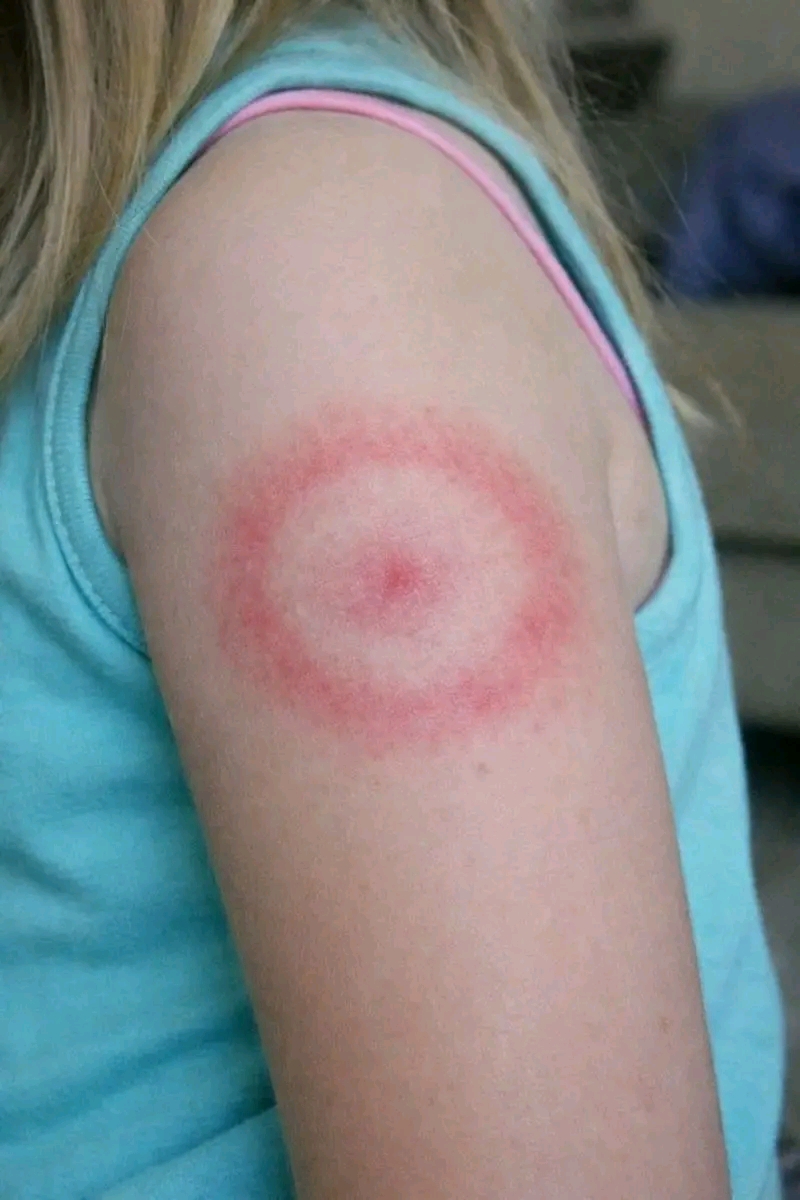
As a parent, noticing anything unusual on your child’s skin can be a cause for concern. It’s natural to feel worried when you see something unfamiliar, such as a red ring on your child’s arm. Your mind might race to worst-case scenarios, and you may feel the urge to rush to the nearest hospital.
However, before you panic, it’s important to gather information and assess the situation calmly. There are several potential causes for a red ring on the skin, some of which are benign and others which may require medical attention. Understanding what to look for can help you make informed decisions about your child’s health.
1. First, Take a Breath: How Worried Should You Be About a Red Ring Rash?Panic is a common reaction when it comes to your child’s health, but it’s crucial to stay calm. A red ring rash can result from various causes, ranging from mild to serious. Most of the time, these rashes are not an emergency and can be evaluated by a pediatrician during normal office hours.It’s important to monitor the rash for changes such as size increase, changes in color, or the development of additional symptoms like fever or pain. Documenting these changes can be helpful when you consult with a healthcare professional.
2. What a Lyme Disease Bullseye Rash Actually Looks LikeThe classic Lyme disease rash, known as erythema migrans, is often described as a bullseye or target-like appearance. It typically starts as a small, red bump at the site of a tick bite and gradually expands over several days, forming a circular rash with a clear center. The rash can grow to be over 5 cm in diameter.Not every case of Lyme disease results in a bullseye rash, and not every bullseye rash indicates Lyme disease. It’s important to consider other symptoms and risk factors, such as recent exposure to wooded or grassy areas where ticks are prevalent.
3. Other Common Causes of Ring-Shaped Rashes in KidsAside from Lyme disease, there are other common causes of ring-shaped rashes in children. Ringworm, a fungal infection, often presents as a red, scaly ring on the skin. Unlike Lyme, ringworm can be itchy and is typically treated with antifungal medication.Pityriasis rosea is another condition that can cause a ring-shaped rash. It usually starts with a single, large spot called a ‘herald patch,’ followed by smaller spots. This condition is self-limiting, meaning it resolves on its own without treatment.
