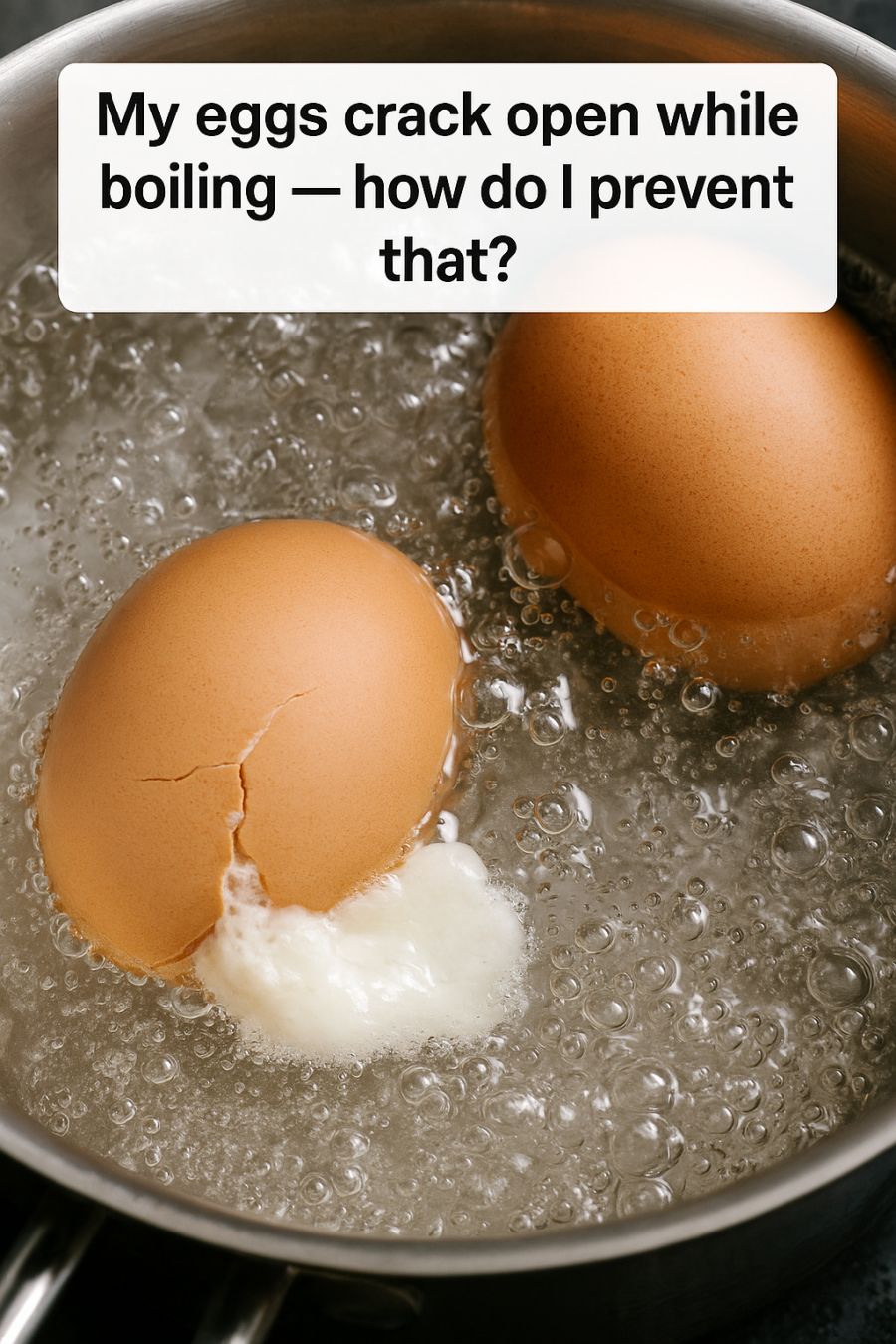
Boiling eggs is a kitchen staple for many households, but it’s not uncommon for them to crack during the process, leaving a mess in the pot and often resulting in less-than-perfect eggs. Whether you’re preparing hard-boiled eggs for a salad or soft-boiled eggs for breakfast, a cracked shell can be frustrating and affect the quality of your dish. Fortunately, there are several methods you can employ to prevent this from happening and ensure your eggs come out just right every time.
Understanding why eggs crack during boiling and how to prevent it can save you time and effort, while preserving the integrity of your meals. In this article, we’ll explore the science behind why eggs crack, and provide you with practical tips and techniques to keep your eggs intact and perfectly cooked. From adjusting your boiling method to trying out new tricks, we’ve got you covered with comprehensive insights to help you master the art of boiling eggs without the cracks.
1. Why Eggs Crack in Boiling Water: The Science of Rapid Temperature Change
Eggs often crack during boiling due to the rapid change in temperature they experience when plunged into hot water. This sudden shift causes the air inside the egg to expand faster than the shell can accommodate, leading to fractures. An egg’s shell is made primarily of calcium carbonate, which isn’t very flexible, making it prone to cracking under stress. The size of the air pocket inside the egg increases with age, making older eggs more susceptible to cracking.
Additionally, the membrane inside the shell can sometimes detach slightly from the shell itself, causing an uneven distribution of pressure when boiled. The pressure buildup, combined with the shell’s rigidity, leads to cracks, and if the egg white leaks out, it can cause undesirable textures and appearances in your boiled eggs.
2. Start in Cold Water Instead of Dropping Eggs into a Rolling Boil
One of the simplest ways to prevent eggs from cracking is to start them in cold water. This method allows the eggs to heat up gradually along with the water, reducing the risk of thermal shock that occurs when eggs are added directly to boiling water. Place your eggs in a saucepan and cover them with cold water, making sure there’s about an inch of water above the eggs. Gradually bring the water to a boil over medium heat, which helps the eggs adjust to the temperature change more slowly and reduces the likelihood of cracking.
3. Bring the Heat Up Gradually to Avoid Thermal Shock
To avoid subjecting your eggs to thermal shock, it’s crucial to control the heat. After placing your eggs in cold water, increase the heat gradually rather than all at once. Start with medium heat and allow the water to come to a gentle boil. This gradual increase in temperature gives the eggs time to adapt and minimizes the internal pressure that can lead to cracks. Once the water reaches a boil, you can adjust the heat to maintain the desired cooking temperature, ensuring the eggs cook evenly without breaking.
4. Use a Gentle Simmer, Not a Violent Boil
Keeping the water at a gentle simmer instead of a rapid, rolling boil can significantly reduce the chances of your eggs cracking. A violent boil can cause the eggs to bounce around in the pot, leading to collisions that may crack the shells. Once the water reaches a boil, reduce the heat to maintain a gentle simmer. This not only prevents cracking but also results in more evenly cooked eggs, with a tender white and a uniformly cooked yolk.
5. Take Eggs Out of the Fridge Early to Warm Up Slightly
Allowing eggs to warm up slightly before boiling can help reduce the likelihood of cracking. Cold eggs placed into hot water experience a more pronounced temperature difference, which can increase the risk of cracking. By taking the eggs out of the refrigerator about 30 minutes before cooking, they can come closer to room temperature, reducing the thermal shock they experience when they hit the hot water.
6. Add Salt or Vinegar to Help Coagulate Leaks Quickly
Adding a teaspoon of salt or a tablespoon of vinegar to the boiling water can help coagulate any egg whites that may leak out if an egg does crack. The salt or vinegar causes the proteins in the egg white to denature and solidify more quickly, minimizing the mess and preserving the majority of the egg inside the shell. This is a useful trick to ensure that even if a crack occurs, the egg won’t completely ooze out into the water.
7. Try the Viral Pin Prick Hack on the Wider End of the Egg
Pricking a small hole in the wider end of the egg with a pin or needle can help release the pressure that builds up inside the egg as it heats. This hack provides an escape route for expanding air, reducing the risk of the shell cracking. Be gentle when making the pin prick to avoid damaging the egg, and ensure the hole is small enough to prevent the egg white from leaking out. This method can be particularly effective for older eggs, which tend to have larger air pockets.
8. Cushion Eggs with a Steamer Basket or a Towel at the Pot’s Base
Placing a steamer basket or a kitchen towel at the bottom of the pot can create a buffer between the eggs and the pot, reducing the impact of bouncing eggs during boiling. This cushioning effect can prevent eggs from hitting the hard surface of the pot, which is often a cause of cracking. Arrange the eggs in a single layer on top of the basket or towel to ensure even cooking and minimize movement.
9. Don’t Crowd the Pot: Give Each Egg Room to Move
Overcrowding the pot can lead to collisions between eggs, increasing the likelihood of cracking. To prevent this, make sure to give each egg enough space by using a pot that accommodates them in a single layer with some room to spare. This not only reduces the chance of eggs bumping into each other but also ensures even heat distribution, resulting in more consistent cooking.
10. Choose the Right Eggs: Size, Freshness, and Shell Quality
The size and freshness of eggs can influence their likelihood of cracking. Larger eggs have thinner shells, while older eggs tend to have weaker shells due to the gradual loss of moisture and carbon dioxide. Opt for medium-sized, fresh eggs with strong shells for boiling, and inspect them for any visible cracks or weak spots before cooking. Fresh eggs with strong shells are less likely to crack, giving you better results.
11. Handle and Store Eggs Carefully to Prevent Hairline Cracks
Even small, invisible cracks in the shell can become problematic during boiling. To prevent these hairline cracks, handle eggs gently and store them properly. Keep them in their original carton in the fridge, which helps protect them from bumps and temperature fluctuations. When handling eggs, avoid dropping or jostling them, as this can cause micro-cracks that lead to larger cracks during cooking.
12. Adjust for Altitude and Stove Type for More Consistent Results
Altitude and stove type can affect the boiling process, so adjustments may be necessary for optimal results. At higher altitudes, water boils at a lower temperature, which can affect cooking times and the likelihood of eggs cracking. You may need to increase cooking time slightly to compensate for the lower boiling point. Similarly, different stoves, such as gas or electric, may distribute heat differently, so be mindful of how your specific setup affects the cooking process. Making these adjustments can help ensure your eggs come out perfectly every time.
