Our fingernails are more than just protective covers for our sensitive fingertips; they are also indicators of our overall health. However, when you notice that your fingernails are splitting straight down the middle instead of simply chipping or breaking at the edges, it can be both concerning and uncomfortable. This type of nail damage can lead to pain, infection, and an unattractive appearance, prompting many to seek answers and solutions.Understanding why nails split in this particular way is crucial for addressing the problem effectively. While occasional nail damage is normal due to everyday wear and tear, consistent splitting down the middle might indicate underlying issues that need attention. In this article, we will explore the various causes behind this phenomenon, how nail growth works, and what you can do to prevent it.1. What It Means When Nails Split Straight DownWhen nails split straight down, it is often referred to as onychorrhexis. This condition is characterized by the presence of longitudinal ridges and splits, which can be painful and unsightly. Unlike horizontal splits that occur at the free edge of the nail due to external trauma, vertical splits often suggest deeper structural issues within the nail matrix where the nail originates.Vertical splitting can be an indicator of nutritional deficiencies, chronic exposure to moisture or chemicals, or underlying medical conditions. It’s essential to pay attention to other accompanying symptoms, such as discoloration or changes in nail thickness, to determine the root cause of the issue. Consulting with a healthcare professional can help diagnose the problem accurately.2. How Normal Nail Growth Works—and Where Splits BeginNails are composed of keratin, a protein also found in hair and skin. They grow from the matrix, located under the cuticle at the base of the nail. As new cells form, the older ones are pushed out, forming the hard plate that we recognize as the nail.Splits typically begin when there is a disruption in this growth process. Factors such as damage to the cuticle or nail bed can affect the health of the nail matrix, leading to weak spots. Over time, these weak spots can develop into full splits, especially if the nails are subjected to additional stress or trauma.3. Everyday Trauma: Typing, Picking, And Other Habits That Crack NailsEveryday activities can contribute significantly to nail splitting. Typing on keyboards, playing musical instruments, or using nails as tools to open packages can all exert stress on the nails. Additionally, habitual nail picking or biting can introduce micro-tears that eventually lead to larger splits.To minimize trauma, it’s advisable to maintain short nails and use the pads of your fingers instead of your nails for tasks. Wearing gloves while performing manual work can also provide a protective barrier, reducing the risk of splits.4. Dryness And Dehydration: When Nails Lose Their FlexibilityJust like skin, nails require moisture to remain flexible and resilient. Dehydration, whether from insufficient water intake or environmental factors, can lead to brittle nails that are prone to splitting. Exposure to harsh soaps, frequent hand washing, and dry weather conditions can strip nails of their natural oils, exacerbating the problem.Incorporating a good hand and nail care routine with moisturizing creams or oils can help maintain nail health. Products containing ingredients like lanolin or jojoba oil are particularly effective at sealing in moisture and preventing splits.5. Nutrient Gaps: Iron, Biotin, And Other Deficiencies Linked To SplittingNutritional deficiencies can manifest in various ways, including through the condition of our nails. Iron deficiency, for instance, is a common cause of brittle and splitting nails. Similarly, a lack of biotin, a B-vitamin, can result in weak nails that are more susceptible to damage.Ensuring a balanced diet rich in vitamins and minerals can help maintain healthy nails. Foods high in iron, such as red meat, spinach, and legumes, as well as those rich in biotin, like eggs and nuts, should be included in your diet. Supplements can also be considered, though it’s best to consult with a healthcare provider before starting any new regimen.6. Aging, Genetics, And Naturally Brittle NailsAs we age, changes in nail texture and strength are common. The nail matrix can thin over time, leading to more frequent splitting and breakage. Additionally, genetics play a role in nail health, with some individuals naturally predisposed to more fragile nails.While we cannot change our genetic makeup or halt the aging process, adopting protective measures and maintaining a proper nail care routine can mitigate some of these effects. Regular filing, moisturizing, and avoiding harsh treatments can help preserve nail integrity.7. Manicures, Acrylics, And Harsh Chemicals That Weaken The Nail PlateFrequent use of nail polish, acrylics, and gel manicures can weaken the nail plate over time. The chemicals in nail products, particularly those used for removal like acetone, can dry out nails and contribute to splitting.Opting for gentler nail care options and allowing nails to breathe between manicures can prevent excessive damage. If acrylics or gels are a must, consider giving your nails a break every few weeks to recuperate and strengthen.8. Skin And Nail Disorders: Onychorrhexis, Psoriasis, Eczema, And MoreCertain skin and nail disorders can cause or exacerbate nail splitting. Onychorrhexis, characterized by longitudinal ridges and splitting, is often linked to skin conditions like psoriasis and eczema. These conditions can affect the nail matrix and disrupt normal growth.Managing these underlying conditions with appropriate medical treatments can improve nail health. Dermatologists can provide targeted therapies to reduce inflammation and promote healthier nail growth.9. Medical Conditions And Medications That Can Show Up In Your NailsNails can often reflect systemic health issues. Conditions such as thyroid disorders, liver disease, and circulation problems can manifest as splitting nails. Additionally, certain medications, particularly those used in chemotherapy, can affect nail integrity.Monitoring your nail health can provide clues to potential medical conditions. If you notice persistent nail changes alongside other symptoms, it is advisable to seek medical evaluation to rule out or address any underlying health concerns.10. When A Vertical Split Signals Something SeriousWhile many cases of nail splitting are benign, a persistent vertical split that does not heal or is accompanied by pain, bleeding, or discoloration should be evaluated by a healthcare professional. In rare cases, such splits can be indicative of more serious conditions like melanoma, a type of skin cancer.Prompt attention to unusual nail changes can facilitate early diagnosis and treatment of potentially serious health issues. Always err on the side of caution and seek professional advice if you have concerns about your nail health.11. Dermatologist-Approved Ways To Strengthen Nails And Stop The SplittingThere are several strategies dermatologists recommend to strengthen nails and prevent splitting. These include keeping nails trimmed and filed to prevent snags, applying a protective base coat to shield against chemicals, and using nail serums that promote growth and resilience.Incorporating dietary supplements, like biotin or collagen, may also support nail health. Regular appointments with a dermatologist can help tailor a nail care routine that addresses your specific needs and concerns, ensuring your nails remain strong and healthy.
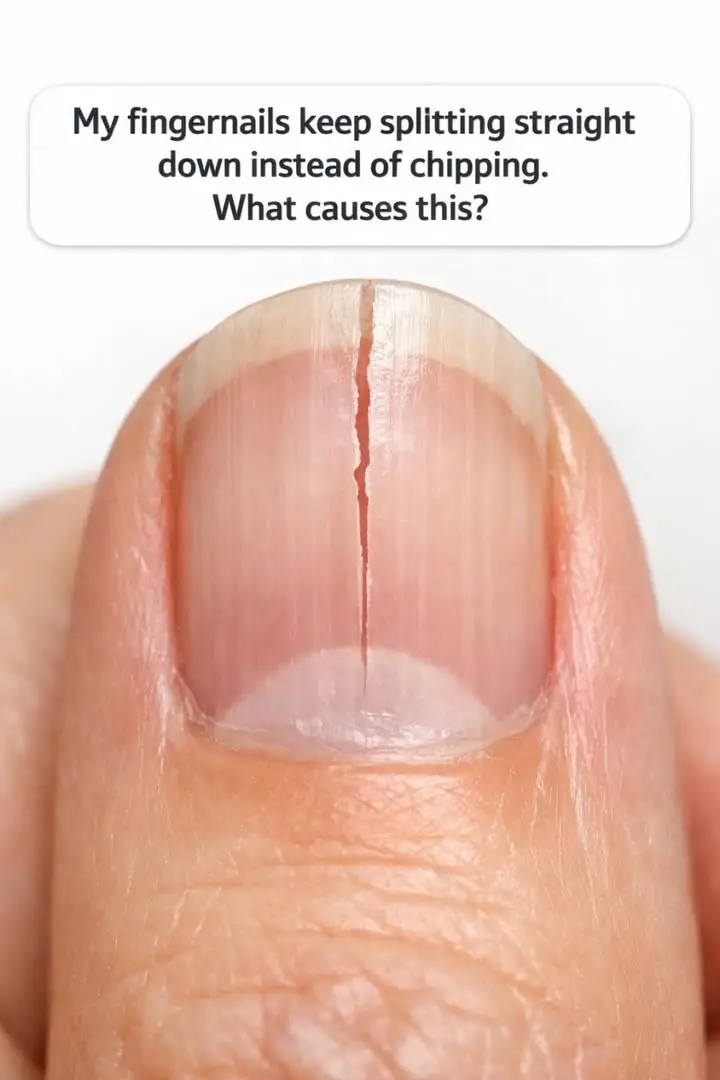
My fingernails keep splitting straight down instead of chipping. What causes this?
ADVERTISEMENT
