As the chill of winter sets in, many people notice that their hands suddenly appear much older. This is not merely an illusion; the harsh elements and reduced humidity can play havoc with your skin, leaving it dry, cracked, and aged-looking. While you might have reached for your trusty lotion in the past, this season, it seems nothing is working.Understanding the underlying reasons why your hands are more susceptible to aging during the winter months can help you take proactive steps to restore their youthful appearance. From adopting new skincare routines to exploring deeper treatments, there are several approaches you can take to combat the effects of winter on your hands.1. Why Winter Makes Your Hands Suddenly Look So Much OlderWinter is notorious for its drying effects on the skin, and your hands are especially vulnerable. The cold air outside combined with dry indoor heating strips the skin of its natural moisture. The skin on your hands is thinner and has fewer oil glands compared to other parts of your body, which makes it more prone to dryness and cracking.In addition, the lack of humidity in the winter air—often dropping below 30% indoors—leads to increased transepidermal water loss (TEWL), where water evaporates from the skin’s surface. This dehydration can make the skin appear more crepey and accentuate fine lines, making your hands look older.2. Spot the Difference: Dryness, Eczema, or Something More Serious?While dry skin is the most common culprit behind aging-looking hands, it’s important to distinguish between simple dryness and more serious conditions like eczema or dermatitis. Dry skin usually presents as rough, flaky patches that may feel tight or itchy.Eczema, on the other hand, can cause inflamed, red, and itchy areas that might weep or crack. If you notice persistent redness, swelling, or pain, it might be a sign of a more serious condition that requires medical attention.3. The Right Way to Wash Your Hands When Your Skin Is Already FragileWhen your skin is fragile, how you wash your hands can make a significant difference. Use lukewarm water instead of hot, as hot water can strip the skin of its natural oils. Choose a gentle, fragrance-free soap, preferably one labeled as moisturizing or designed for sensitive skin.After washing, pat your hands dry with a soft towel instead of rubbing them to prevent irritation. Immediately apply a moisturizer to lock in the moisture and create a protective barrier.4. Upgrade Your Moisturizer: Ingredients That Actually Work on Severe DrynessNot all moisturizers are created equal, especially when it comes to tackling severe dryness. Look for products that contain humectants like glycerin and hyaluronic acid, which draw moisture into the skin. Emollients such as squalane and shea butter can help smooth and soften the skin’s surface.Occlusives like petrolatum or dimethicone create a barrier to prevent moisture loss. For best results, apply a heavier cream or ointment rather than a lotion, as these tend to be more effective at alleviating severe dryness.5. The Overnight Repair Trick: Hand Masks, Occlusion, and Cotton GlovesAn overnight treatment can work wonders for your hands. Start with a thick layer of a rich hand cream or a specialized hand mask. Look for products with ingredients like urea or ceramides that help repair the skin barrier.After applying the cream, put on a pair of cotton gloves. This occlusion method helps the product penetrate deeper into the skin and prevents it from rubbing off onto your sheets. By morning, your hands should feel significantly softer and more hydrated.6. Quick Fixes You Can Do Today With What You Already Have at HomeYou don’t necessarily need to rush out and buy new products to take care of your hands. Olive oil is a fantastic natural moisturizer—simply massage a few drops into your hands and let it absorb.You can also make a simple sugar scrub using equal parts sugar and olive oil to gently exfoliate dead skin cells. Doing this once a week can help keep your hands smooth and receptive to moisture.7. Protect, Don’t Punish: Gloves, Water Exposure, and Household ChoresWearing gloves is a simple yet effective way to protect your hands from the elements and harsh chemicals. Always wear waterproof gloves when doing dishes or cleaning to prevent prolonged water exposure, which can lead to further dryness.When going outside in cold weather, wear warm gloves to shield your skin from the cold air. This not only helps maintain moisture but also protects against windburn and chapping.8. Simple Nail and Cuticle Care That Makes Hands Look Instantly YoungerWell-groomed nails and cuticles can significantly improve the overall appearance of your hands. Regularly trimming and filing your nails keeps them tidy and prevents breakage.Moisturize your cuticles with oils like jojoba or almond oil to keep them healthy and prevent hangnails. Pushing back the cuticles gently can also create a neater look, making your hands appear more polished.9. When Lotion Isn’t Enough: Prescription Creams and In-Office TreatmentsIf over-the-counter lotions aren’t cutting it, it might be time to consider prescription creams, which often contain higher concentrations of active ingredients like urea or corticosteroids to manage severe dryness and inflammation.For more stubborn cases, in-office treatments such as chemical peels, laser therapy, or fillers can help rejuvenate the skin by stimulating collagen production and improving texture and tone.10. Nutrition, Hydration, and Hormones: The Inside Track to Younger-Looking HandsHydration from the inside out is crucial for maintaining skin health. Drinking plenty of water supports skin elasticity and can help keep your hands from looking dry and aged.Nutrition also plays a key role; diets rich in omega-3 fatty acids, antioxidants, and vitamins A, C, and E support skin repair and regeneration. Hormonal changes, particularly during menopause, can affect skin moisture and thickness, so it may be beneficial to discuss these changes with a healthcare provider.11. Red-Flag Signs It’s Time to See a Dermatologist ImmediatelyWhile many skin issues can be managed at home, certain signs indicate the need for professional intervention. If you experience severe cracking, bleeding, or persistent pain, these could be signs of a more serious condition that requires medical attention.Other red flags include sudden changes in skin color, texture, or the appearance of new growths, which should be evaluated by a dermatologist to rule out conditions like skin cancer or psoriasis.
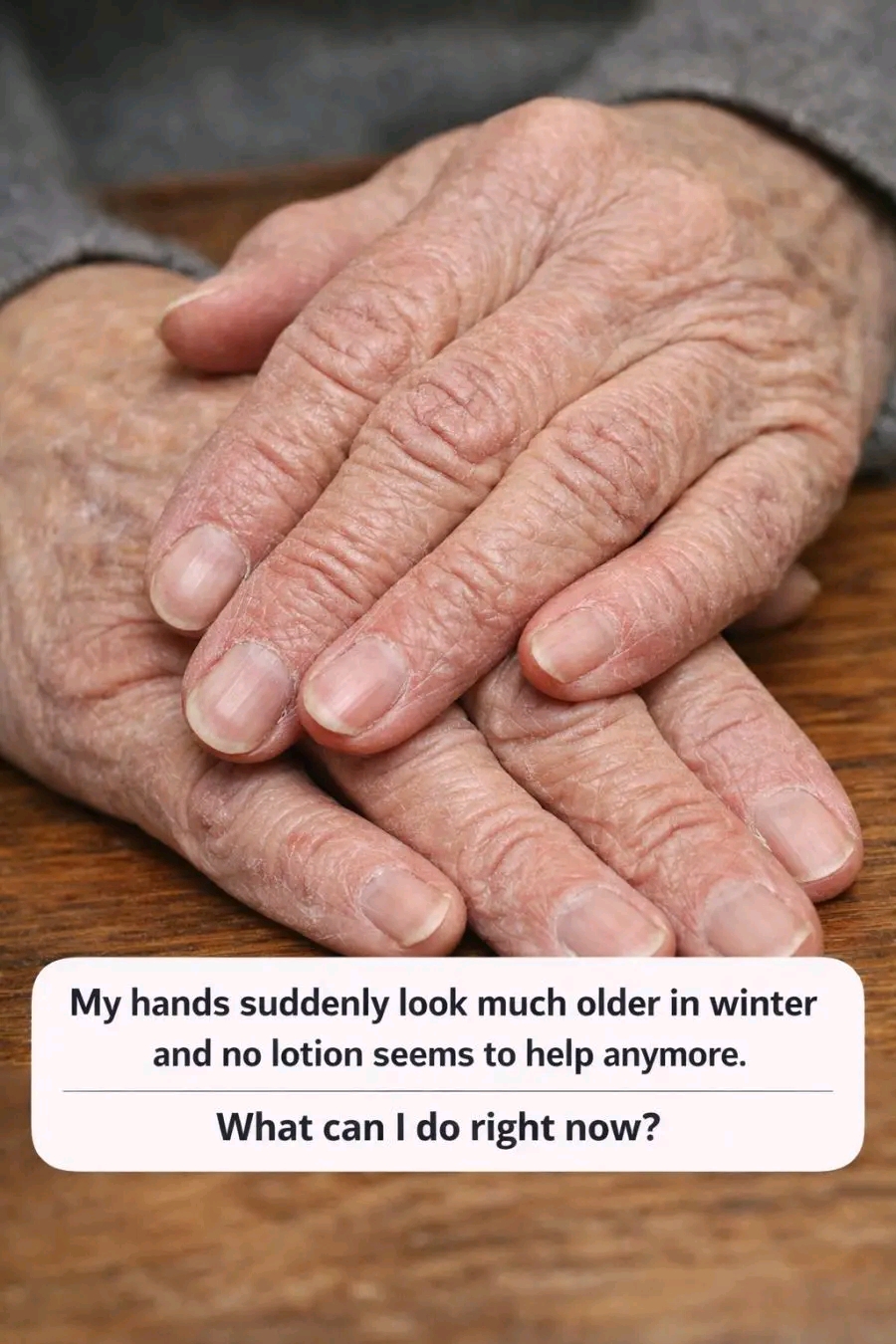
My hands suddenly look much older in winter and no lotion seems to help anymore. What can I do right now?
ADVERTISEMENT
