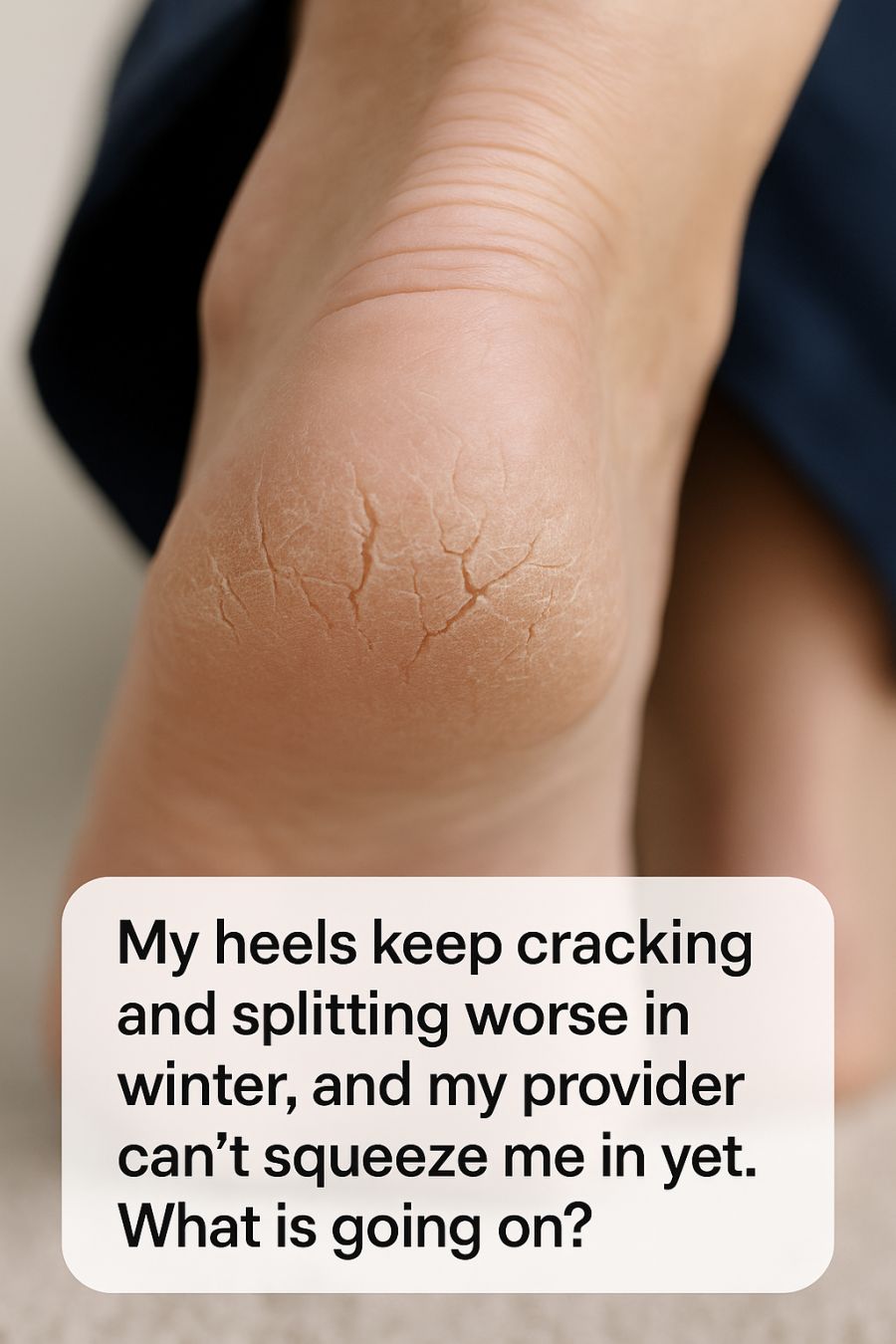
As winter approaches, many individuals find themselves dealing with the frustrating and often painful issue of cracked and splitting heels. This common condition can be exacerbated by the cold, dry air and indoor heating that characterize the winter months. If you’re experiencing this problem, you’re not alone, and there are several explanations for why your heels might be more vulnerable at this time of year.
Unfortunately, getting an appointment with your healthcare provider might not be immediate, leaving you in discomfort and seeking solutions. Understanding the underlying causes of cracked heels and how to manage them can provide relief and prevent further damage. In this article, we delve into the reasons why winter is so harsh on your heels and offer practical advice on how to care for them until you can see a professional.
1. Why Winter Makes Heel Cracks So Much Worse
The winter months bring a significant drop in humidity, which can have a direct impact on the skin’s moisture levels. The cold air outside and the artificially heated air inside create a low-humidity environment that draws moisture away from the skin. This can lead to dryness and cracking, particularly in areas that are already prone to dryness, like the heels.
Additionally, the lack of moisture in the air can cause the skin to lose its elasticity, making it more susceptible to splitting and cracking. When the skin on the heels becomes too dry, it loses its ability to stretch and withstand the pressure from standing and walking, leading to painful fissures.
2. Fissured Xerosis: The Medical Name for Those Painful Splits
The condition commonly referred to as cracked heels is known medically as fissured xerosis. Fissured xerosis occurs when the stratum corneum, the outermost layer of the skin, dries out and loses its integrity, resulting in cracks or fissures. These splits can be superficial or deep, and they often develop on the heels because of the pressure and friction experienced in this area.
The condition can be exacerbated by environmental factors, such as cold weather and low humidity, as well as by personal habits, like not moisturizing the feet regularly. Fissured xerosis can also be painful, especially if the cracks are deep enough to affect the underlying layers of the skin.
3. How Dry Indoor Heat and Long, Hot Showers Strip Your Skin Barrier
During the winter months, many people rely on indoor heating to stay warm. However, the dry heat from radiators and central heating systems can strip the skin of its natural oils, leading to increased dryness and susceptibility to cracking. The skin’s natural barrier is compromised, making it less effective at retaining moisture.
Additionally, long, hot showers, which might feel comforting in the cold weather, can exacerbate the problem. Hot water can strip away the skin’s natural oils, further dehydrating the skin and weakening its barrier function. It’s important to limit the duration of hot showers and use lukewarm water to prevent additional moisture loss.
4. The Role of Pressure, Standing All Day, and Barefoot Walking at Home
The heels bear the brunt of our body weight, and excessive pressure from standing for long periods can contribute to the development of cracks. Those who spend a significant amount of time on their feet, whether for work or other activities, may find their heels more prone to cracking.
Walking barefoot, especially on hard surfaces, can also exacerbate the condition. Without the cushioning and support provided by footwear, the skin on the heels can become over-stressed, leading to fissures. Wearing supportive shoes with cushioned insoles can help distribute pressure more evenly and reduce the risk of cracks.
5. Hidden Culprits: Eczema, Psoriasis, Athlete’s Foot, and Other Skin Conditions
Certain skin conditions can predispose individuals to cracked heels. Eczema and psoriasis, for example, are characterized by dry, inflamed skin that can easily crack, especially in areas like the heels. These conditions can be exacerbated by the dry winter air, making it crucial to manage them effectively.
Athlete’s foot, a fungal infection, can also lead to cracking and peeling skin on the feet, including the heels. The infection often thrives in warm, moist environments, but the dry air of winter can cause the skin to crack more readily. Treating the underlying condition is essential for preventing cracks from worsening.
6. When Diabetes, Thyroid Issues, or Age-Related Changes Are Part of the Problem
Chronic health conditions such as diabetes and thyroid disorders can impact skin health, making it more susceptible to dryness and cracking. Diabetes, in particular, can lead to peripheral neuropathy and reduced circulation, which can impede the skin’s ability to heal and maintain moisture.
As we age, the skin naturally becomes drier and thinner, losing its elasticity and making it more prone to cracking. Age-related changes in hormone levels can also affect skin hydration and barrier function. It’s important for individuals with these conditions to take extra care in maintaining their skin’s moisture.
7. Viral Heel-Care Hacks: What Actually Helps and What Can Make Cracks Worse
The internet is full of DIY solutions and viral hacks for treating cracked heels, but not all of them are effective or safe. Some popular remedies, like using household oils or wrapping feet in plastic overnight, can provide temporary relief but might not address the underlying issues.
Conversely, some hacks can actually make the problem worse, such as excessive exfoliation or using harsh chemical peels. It’s important to approach these remedies with caution and to prioritize treatments that support the skin’s natural barrier and promote healing.
8. At-Home Treatments You Can Start Now While Waiting for Your Appointment
While waiting for a professional consultation, there are several at-home treatments you can begin to alleviate discomfort and promote healing. Start by keeping your feet clean and dry, and apply a thick, emollient moisturizer specifically designed for feet after bathing.
Consider using a pumice stone or foot file to gently remove dead skin, but be cautious not to over-exfoliate. Wearing socks after moisturizing can help lock in moisture, and using a humidifier in your home can add much-needed humidity to the air, helping to prevent further dryness.
9. The Best Moisturizers, Occlusives, and Exfoliants for Fissured Heels
Choosing the right products is essential for managing cracked heels. Look for moisturizers that contain urea or salicylic acid, as these ingredients help to soften and exfoliate thickened skin. Occlusives like petroleum jelly can be applied after moisturizing to lock in hydration and protect the skin’s barrier.
Exfoliants should be used cautiously; opt for gentle options that won’t irritate the skin further. Regular use of these products can improve the condition of the heels over time and prevent new cracks from forming.
10. Footwear Fixes: Socks, Shoes, and Inserts That Protect Your Heels
Wearing the right footwear can make a significant difference in preventing and managing heel cracks. Shoes with good arch support and a cushioned heel can help distribute pressure and reduce the risk of cracking. Avoid shoes that are too tight or have hard soles, which can exacerbate the problem.
Socks made from natural fibers, like cotton or wool, can help manage moisture and provide a comfortable barrier for your feet. Consider using gel heel pads or inserts for additional cushioning and protection.
11. Red-Flag Symptoms That Mean You Shouldn’t Wait to Be Seen
While many cases of cracked heels can be managed at home, certain symptoms warrant immediate medical attention. If you notice signs of infection, such as redness, swelling, warmth, or pus, it’s important to seek professional help as soon as possible.
Additionally, if the cracks are deep and extremely painful, or if you have a condition like diabetes that can complicate healing, don’t delay in contacting your healthcare provider. Early intervention can prevent complications and promote faster recovery.
12. How to Prevent Heel Cracks From Coming Back Next Winter
Prevention is key to avoiding the recurrence of cracked heels. Keep your skin moisturized year-round, paying special attention to your feet as the weather gets colder. Regularly exfoliate and use thick moisturizers to maintain the skin’s barrier
Invest in a humidifier to keep indoor air from becoming too dry, and avoid long, hot showers. Maintaining a healthy diet rich in omega-3 fatty acids and staying hydrated can also support skin health. By taking these steps, you can help ensure your heels remain healthy and crack-free through the winter months.
