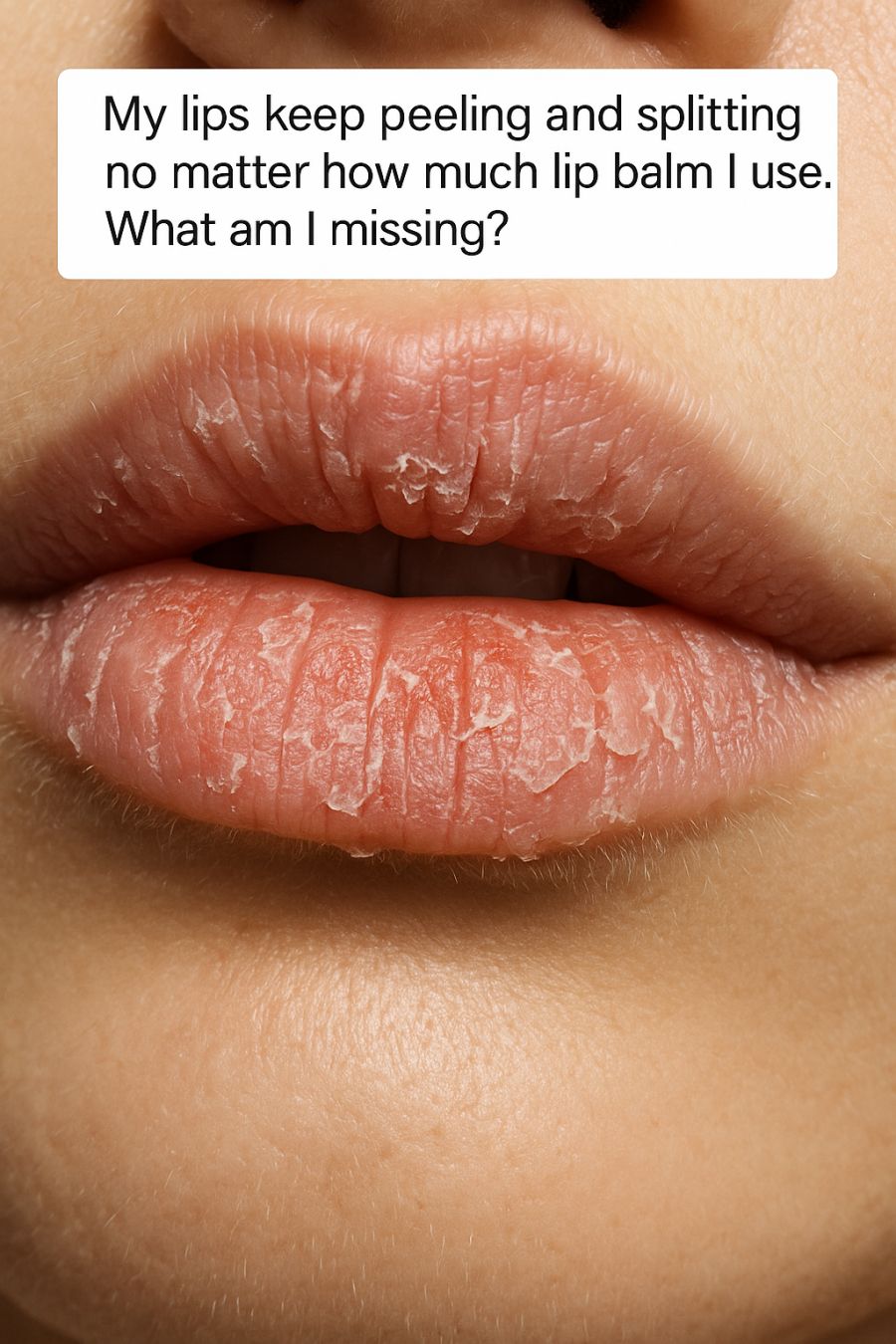
Peeling and splitting lips can be more than just an annoying cosmetic issue; they can be a sign of underlying health problems or environmental factors that require attention. Many people find themselves constantly applying lip balm without relief, leading to frustration and discomfort. Understanding the root causes of this common complaint can help you find a more effective solution.
While lip balms are marketed as the ultimate solution for dry lips, they often only provide temporary relief. To tackle the problem effectively, it’s crucial to look beyond the surface and consider other factors that might be contributing to the persistent issue. From skincare habits to environmental conditions, a comprehensive approach can provide lasting relief and healthier lips.
1. When Dry, Peeling Lips Are Actually Cheilitis
Cheilitis is a condition characterized by inflammation of the lips, leading to dryness, peeling, and sometimes cracking. There are various forms of cheilitis, including angular cheilitis, atopic cheilitis, and actinic cheilitis, each with distinct causes and treatments. For instance, angular cheilitis often results from a fungal or bacterial infection, while actinic cheilitis is due to prolonged sun exposure.
Identifying the type of cheilitis you might have is crucial in determining the correct treatment. For example, if your condition is due to an infection, antifungal or antibacterial treatments will be necessary, while actinic cheilitis may require more rigorous sun protection and possibly medical intervention. Consulting with a healthcare professional can provide a definitive diagnosis and appropriate treatment plan.
2. The Hidden Irritants Lurking in Your Lip Balm
Not all lip balms are created equal, and some may contain ingredients that can irritate your lips rather than soothe them. Common culprits include fragrances, flavorings, and certain preservatives. For example, ingredients like menthol, camphor, and phenol can have a drying effect, despite their cooling sensation.
It’s important to read labels and choose lip balms that are free from potential irritants. Opt for products with minimal ingredients, focusing on those known for their soothing properties, such as shea butter, beeswax, or lanolin. If you suspect your lip balm is causing irritation, consider discontinuing use to see if your symptoms improve.
3. Licking, Biting, and Picking: Habits That Sabotage Healing
Habits such as licking, biting, or picking at your lips can exacerbate dryness and prevent healing. Licking might provide temporary moisture, but as saliva evaporates, it leaves lips even drier than before. Similarly, biting or picking can cause physical trauma, leading to further peeling and cracking.
Breaking these habits can be challenging, but it’s essential for healing. Awareness of these behaviors is the first step. Consider using a lip balm with a mild taste to discourage licking or applying a thick layer of a protective ointment to reduce the urge to pick.
4. Dehydration, Diet, and Nutrient Gaps That Show Up on Your Lips
Dehydration is a common cause of dry lips, as the body prioritizes water for essential functions over skin hydration. Ensuring adequate water intake, about 2.7 liters per day for women and 3.7 liters for men, can help maintain skin moisture, including your lips.
Nutrient deficiencies, particularly in vitamins like B12, iron, and zinc, can also manifest as dry, peeling lips. A balanced diet rich in fruits, vegetables, lean proteins, and whole grains can help provide these essential nutrients. If you suspect a deficiency, consider consulting a healthcare provider for appropriate testing and supplementation.
5. Allergic Contact Cheilitis: When Your Lips Hate Your Products
Allergic contact cheilitis is a form of cheilitis caused by an allergic reaction to substances that come into contact with the lips, such as certain cosmetics, toothpaste, or even food. Symptoms include redness, swelling, and peeling.
Identifying the allergen is crucial for management. An allergy test may be necessary to pinpoint the specific irritant. Once identified, avoiding the allergen and switching to hypoallergenic products can prevent further reactions and promote healing.
6. Angular Cheilitis: Cracks in the Corners That Won’t Go Away
Angular cheilitis affects the corners of the mouth, causing painful cracks and sometimes bleeding. It can be caused by a fungal or bacterial infection, often stemming from excessive moisture in the corners of the mouth.
Keeping the area dry and applying antifungal or antibacterial ointments as prescribed by a healthcare provider are key steps in treatment. In some cases, addressing underlying issues, such as ill-fitting dentures or nutritional deficiencies, may be necessary to prevent recurrence.
7. Viral Hacks Like Lip Scrubs and Toothbrush Exfoliation: Help or Harm?
Exfoliating your lips with scrubs or a toothbrush is a popular online remedy for peeling lips. However, these methods can be too abrasive, especially if your lips are already damaged, leading to further irritation and peeling.
If you choose to exfoliate, do so gently and infrequently. Use a soft-bristled toothbrush or a mild, homemade scrub with sugar and honey, and follow up with a hydrating balm to protect the new skin. Over-exfoliation can strip your lips of natural oils and cause more harm than good.
8. Climate, Indoor Heating, and Other Environmental Lip Wreckers
Environmental factors, such as cold weather, wind, and indoor heating, can strip moisture from the air and your skin, leading to dry lips. In winter, humidity levels can drop to as low as 10-20%, compared to the comfortable range of 30-50%.
Using a humidifier indoors can help maintain a more skin-friendly environment. Protecting your lips with a scarf in windy weather and applying a thick balm or ointment before heading outdoors can also help reduce the impact of harsh environmental conditions.
9. Medications and Underlying Conditions That Dry Out Your Lips
Certain medications, like isotretinoin for acne or antihistamines for allergies, can have side effects that include dry lips. These medications reduce oil production, which can lead to increased dryness.
Underlying health conditions, such as thyroid disorders or Sjögren’s syndrome, can also cause dry lips as a symptom. If you suspect your medication or a health condition is affecting your lips, consult with a healthcare provider about possible alternatives or additional treatments to manage the dryness.
10. Why Plain Petrolatum Often Works Better Than Fancy Balms
Petrolatum, commonly known as petroleum jelly, forms a protective barrier on the skin, locking in moisture and preventing water loss. Unlike many fancy balms that contain fragrances or additives, plain petrolatum is less likely to irritate sensitive lips.
Its simplicity and effectiveness make it a staple for those with chronic lip dryness. Applying a thin layer before bed can help repair the skin overnight, while using it throughout the day can maintain hydration and protect against environmental factors.
11. Nighttime Routines and Barrier Repair That Actually Help Lips Heal
A nighttime lip care routine can significantly aid in healing and preventing dryness. Begin by gently cleansing your lips and applying a hydrating serum or cream rich in ceramides, which help repair the skin barrier.
Follow with a thick layer of petrolatum or a similar occlusive agent to lock in moisture. This simple routine can help your lips recover from the day’s exposure to irritants and prepare them to face the next day.
12. When Persistent Lip Peeling Needs a Dermatologist’s Attention
If your lip peeling persists despite trying various treatments and lifestyle adjustments, it may be time to see a dermatologist. Persistent symptoms could indicate a more serious underlying condition, such as a chronic skin disorder or an undiagnosed allergy.
A dermatologist can perform tests to determine the cause of your symptoms and prescribe effective treatments, which may include medicated creams or ointments. Early intervention can prevent further complications and provide relief from chronic discomfort.
