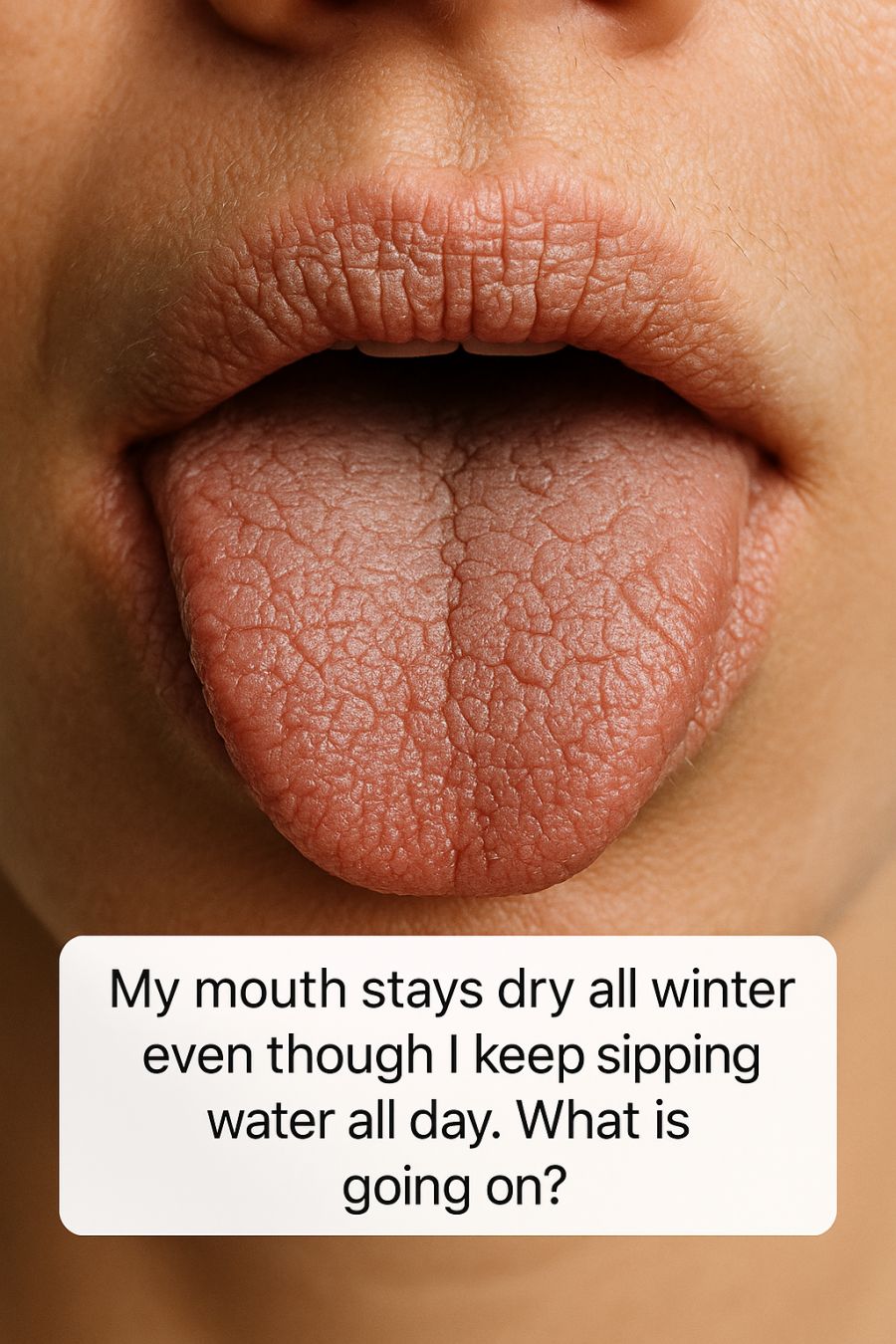
Winter is a time filled with cozy sweaters, hot cocoa, and the nostalgic crunch of snow underfoot. Yet, for many, it’s also the season of dry skin, chapped lips, and persistently dry mouths, even when sipping water throughout the day. If you find yourself constantly reaching for your water bottle but still feel parched, you’re not alone. This phenomenon is more common than you might think and can be attributed to a variety of factors.
Understanding why your mouth stays dry during the winter months requires a look into environmental factors, lifestyle choices, and even medical conditions. This article explores the multiple causes of winter dry mouth and provides insights into potential solutions, helping you maintain optimal oral health and comfort through the colder months.
1. Why Your Mouth Feels Drier In Winter Than In Summer
During winter, the humidity levels drop significantly both indoors and outdoors. This decrease in ambient moisture can lead to dehydration, as the air draws moisture from any available source, including your body. Relative humidity levels can drop below 30% in winter, whereas a comfortable indoor humidity level is typically between 30% and 50%.
Additionally, the cold weather prompts many to stay indoors where heating systems create dry environments, exacerbating the problem. This lack of moisture in the air leads to increased evaporation of moisture from the mouth and skin, making you feel more dehydrated even if you’re drinking what seems like plenty of water.
2. The Science Of Xerostomia: When Saliva Production Slows Down
Xerostomia, or dry mouth, occurs when saliva production decreases. Saliva is crucial for oral health as it aids in digestion, protects teeth from decay, and helps control bacteria in the mouth. Stress, anxiety, and dehydration, all more prevalent in the winter months, can reduce the production of saliva.
Salivary glands may not work as efficiently in cold, dry environments. Studies have shown that inadequate hydration can lead to a reduction in saliva flow rates. Saliva typically flows at a rate of 0.3–0.4 ml/min, and any significant drop can lead to the sensation of dry mouth.
3. Central Heating, Space Heaters, And The Moisture-Stealing Indoor Air
When temperatures drop, we often rely on central heating and space heaters to stay warm. These heating methods, while effective at keeping us cozy, can significantly reduce indoor humidity levels. Forced-air heating systems, in particular, can lower indoor humidity to levels as low as 10-20%.
This dry indoor air can cause moisture from your mouth and respiratory tract to evaporate quickly, leaving you with a persistent dry mouth. Investing in a humidifier to maintain indoor humidity levels between 30% and 50% can help alleviate this problem.
4. Constant Sipping May Backfire: How Overhydrating Can Confuse Your Saliva
While staying hydrated is crucial, overhydrating by constantly sipping water can sometimes backfire. Drinking excessive water can dilute the electrolytes in your body, which are essential for various bodily functions, including the production of saliva.
Moreover, constantly sipping water can lead to a condition known as hyponatremia, where sodium levels in the blood become too low. This imbalance can confuse your body’s natural mechanisms, including saliva production, potentially exacerbating the feeling of dry mouth.
5. Mouth Breathing, Stuffy Noses, And Nighttime Dryness
Winter often brings with it the common cold and allergies, leading to stuffy noses and, consequently, mouth breathing. Breathing through your mouth, especially while sleeping, can quickly dry out the oral cavity.
Nighttime dryness is particularly problematic because saliva production naturally decreases during sleep. Using nasal strips or a humidifier at night can help keep nasal passages open and maintain moisture levels, reducing the need for mouth breathing.
6. Hidden Medication Side Effects: From Allergy Pills To Antidepressants
Many medications, including antihistamines, decongestants, antidepressants, and blood pressure medications, list dry mouth as a side effect. These medications can interfere with the normal functioning of salivary glands or reduce saliva production.
For instance, antihistamines, commonly used to treat allergy symptoms, can significantly decrease saliva flow, leading to dry mouth. If you’re experiencing persistent dry mouth and are on medication, it may be worth discussing with your healthcare provider to explore alternatives or solutions.
7. Caffeine, Alcohol, And That Afternoon Dry-Mouth Crash
Caffeine and alcohol are both diuretics, meaning they increase urine production and can lead to dehydration. This effect is compounded by their tendency to reduce saliva production, leaving you with a dry mouth.
Many people experience an afternoon crash where energy levels drop, and dry mouth becomes more pronounced. Limiting caffeine and alcohol intake, especially in the late afternoon and evening, can help maintain better hydration and saliva balance.
8. Popular Viral Hacks For Dry Mouth: What Actually Helps And What Doesn’t
The internet is full of hacks claiming to cure dry mouth, from sucking on lemon slices to using coconut oil as a mouth rinse. While some may offer temporary relief, not all are effective or safe for long-term use.
Chewing sugar-free gum or sucking on sugar-free candies can stimulate saliva production, providing genuine relief. However, remedies like lemon slices, which are acidic, can erode tooth enamel if used excessively. It’s essential to differentiate between helpful and potentially harmful advice.
9. When Dry Mouth Signals Something Bigger, From Diabetes To Autoimmune Disease
Persistent dry mouth can sometimes be an indicator of underlying health issues, such as diabetes or autoimmune diseases like Sjögren’s syndrome. These conditions affect the body’s ability to produce moisture, including saliva.
If dry mouth is accompanied by other symptoms like frequent urination, fatigue, or joint pain, it’s crucial to seek medical evaluation to rule out these more serious conditions.
10. The Oral Health Fallout: Cavities, Bad Breath, And Sore Gums
Saliva plays a critical role in maintaining oral health by neutralizing acids and washing away food particles. A lack of saliva can lead to an increased risk of cavities, bad breath, and gum irritation.
Without adequate saliva, the mouth becomes more susceptible to bacterial growth and tooth decay. Regular dental check-ups and maintaining good oral hygiene are essential to mitigate these risks.
11. Smart Fixes Your Dentist And Doctor Want You To Try
Healthcare professionals often recommend increasing water intake, using a humidifier, and avoiding diuretics like caffeine and alcohol to manage dry mouth. Saliva substitutes or stimulants can also be prescribed to provide relief.
Additionally, maintaining a balanced diet and using fluoride toothpaste can help protect teeth and gums from the effects of dry mouth. Consulting with a dentist or doctor can provide personalized strategies to manage symptoms effectively.
12. When It’s Time To Stop Googling And Book An Appointment
If home remedies and lifestyle changes do not alleviate dry mouth, or if it’s accompanied by other worrying symptoms, it’s time to seek professional advice. Persistent dry mouth can lead to significant oral health issues if left untreated.
Booking an appointment with a doctor or dentist can help identify any underlying causes and provide targeted treatment options. Early intervention is key to preventing complications and ensuring overall health and well-being.
