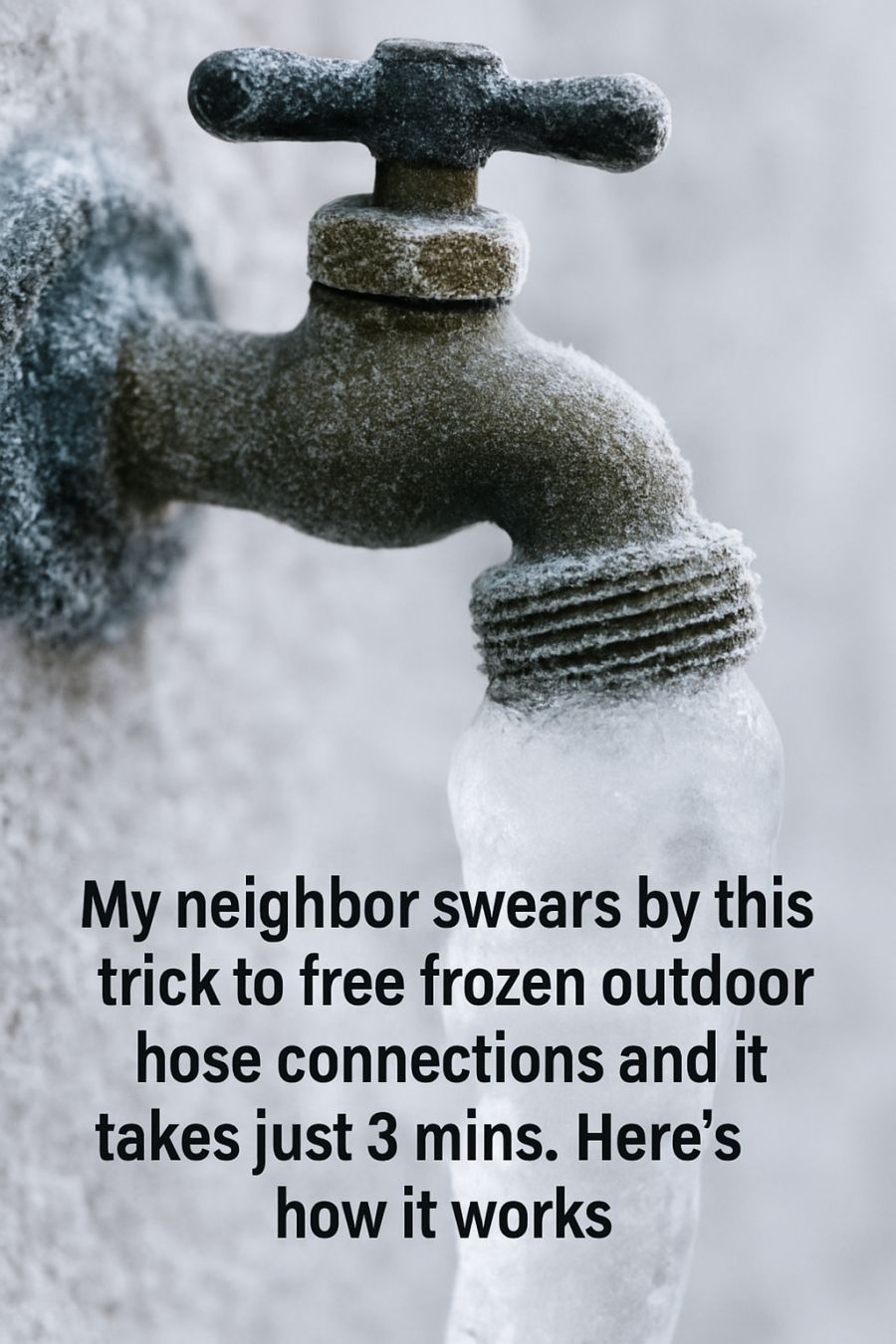
Winter can be a magical time of year, with its blanket of snow and crisp, frosty mornings. However, for homeowners, it also brings a slew of challenges, particularly when it comes to maintaining outdoor fixtures like hose connections. A frozen outdoor hose connection is not only inconvenient but can also lead to more serious plumbing issues if not addressed quickly.
Living in a region where temperatures regularly dip below freezing, my neighbor has become somewhat of an expert in dealing with these winter woes. She swears by a simple trick to free frozen hose connections that takes just three minutes. Intrigued by her confidence and the promise of a quick fix, I decided to learn more about this method and share it with others who might face the same problem.
1. Why Outdoor Hose Connections Freeze So Quickly
Outdoor hose connections are particularly vulnerable to freezing due to their exposure to the elements. When temperatures drop below 32°F (0°C), any residual water inside the hose or the spigot can freeze. As water turns to ice, it expands, putting pressure on the pipes and fittings. This is exacerbated by the fact that many outdoor faucets and hoses are made from metal, which is an excellent conductor of heat and cold, allowing the temperature of the water inside to plummet rapidly.
Furthermore, outdoor hose connections are often neglected during winterization processes. Many homeowners forget to disconnect hoses or insulate faucets, leading to trapped water that can easily freeze. Even a small amount of water can cause a freeze, and if left unaddressed, this can lead to cracks or even burst pipes, resulting in costly repairs.
2. The 3-Minute Trick My Neighbor Swears By
The trick my neighbor uses is delightfully simple and involves wrapping the frozen hose connection with a homemade heat sleeve and applying warmth. She claims this process takes no more than three minutes, which is perfect for those cold mornings when you’re in a rush. This method is effective because it targets the root of the problem—frozen water—by raising the temperature just enough to melt the ice without damaging the pipe or the spigot.
3. What You Need: Simple Household Items Only
The beauty of this trick lies in its simplicity and the fact that it requires only common household items. You’ll need an old towel or rag, a plastic bag, and a bucket of hot water. These items are typically available in most homes, making this solution both cost-effective and convenient. The towel acts as an insulator, the plastic bag helps to trap heat, and the hot water provides the necessary warmth to thaw the frozen connection.
4. Step 1: Safely Shut Off And Assess The Frozen Spigot
Before you begin, it’s crucial to ensure safety by shutting off the water supply to the outdoor faucet. This prevents any sudden bursts or leaks once the ice begins to melt. Once the water is off, take a moment to assess the situation. Check for visible signs of damage such as cracks or leaks around the spigot. If there is any major damage, it may be best to call a professional before proceeding.
5. Step 2: Create A Quick DIY “Heat Sleeve” Around The Faucet
To create your DIY heat sleeve, soak the towel or rag in the hot water, making sure it’s thoroughly saturated. Wring out excess water so it’s damp but not dripping. Then, wrap the towel snugly around the frozen hose connection, covering as much of the spigot and hose end as possible. Secure it in place with a plastic bag to help retain the heat. The bag also prevents the towel from freezing into a solid block if temperatures are particularly low.
6. Step 3: Add Warmth Without Using Open Flames
With the heat sleeve in place, pour more hot water over the towel-covered spigot. Be careful not to use boiling water, as the sudden extreme temperature change can cause metal pipes to crack. The goal is to gradually warm the metal and melt the ice within. This method is safe and avoids the risks associated with using open flames or high heat implements like blow torches, which can easily damage fixtures.
7. Step 4: Test The Handle And Restore Water Flow
After a few minutes, gently test the faucet handle to see if it turns. If it moves, try opening it slowly to see if water begins to flow. If the water flows steadily, the ice has melted successfully. If not, repeat the warming process for another minute or two. It’s crucial to be patient and avoid forcing the handle, as excessive pressure can damage the valve or spigot.
8. The Science Behind Why This Hack Works So Fast
This hack is effective because it leverages the principle of heat transfer. The hot water transfers heat to the metal spigot, which in turn transfers heat to the ice inside. Water has a high specific heat capacity, meaning it retains and transfers heat efficiently. The towel acts as an insulator, slowing down the escape of heat and allowing it to penetrate deeper into the pipe, melting the ice quickly.
9. Common Mistakes That Can Damage Pipes Or Fixtures
One of the most common mistakes is using boiling water, which can cause metal pipes to expand too quickly and crack. Another error is applying direct heat from a blowtorch or heat gun, which can damage seals and gaskets. Additionally, failing to shut off the water supply before attempting to thaw the pipes can lead to sudden bursts and water damage once the ice melts.
10. Viral Alternatives: Hair Dryers, Rice Socks, And Heating Pads
Aside from my neighbor’s trick, other popular methods include using a hairdryer to blow warm air directly onto the frozen connection. Rice socks, which involve heating a sock filled with rice in the microwave, can also be used to wrap around the spigot. Electric heating pads offer a controlled heat source and can be effective if left in place for several minutes. These alternatives can be useful but often require more time and resources.
11. How To Prevent Your Hose Connection From Freezing Again
Prevention is key to avoiding frozen hose connections. Always disconnect hoses before the first freeze and store them indoors. Install insulated faucet covers on outdoor spigots to reduce heat loss. You can also apply foam pipe insulation around exposed pipes and spigots to provide an extra layer of protection against the cold. Regularly check for leaks or drips, as moving water is less likely to freeze.
12. When This Trick Won’t Work And You Should Call A Pro
If the frozen connection does not respond to the heating method after several attempts, it may indicate a more serious issue, such as a blockage or break further down the line. Additionally, if you notice water leaking from the pipe or spigot after thawing, there could be a crack that requires professional repair. In these cases, contacting a plumber is the safest course of action to prevent further damage.
