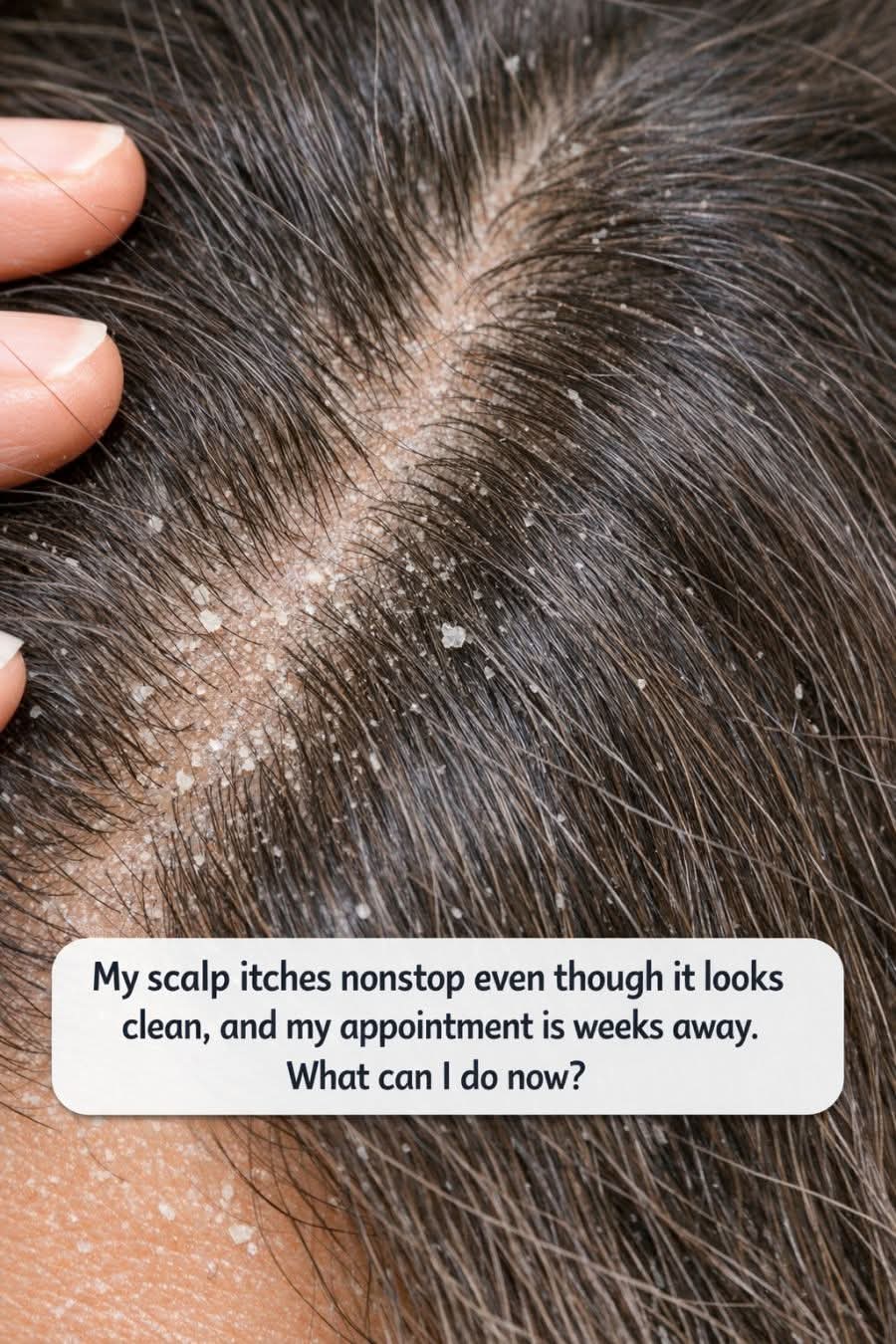
An itchy scalp can be a major annoyance, especially when it persists despite appearing clean. The constant urge to scratch can disrupt daily activities and even affect your mood. While waiting for a professional diagnosis might take weeks, there are several steps you can take now to alleviate the discomfort and potentially identify the root cause.
Understanding the reasons behind scalp itchiness is crucial for effective management. Itchy scalps can be triggered by a variety of factors, including environmental conditions, product use, or underlying skin conditions. Before your appointment, consider these actionable steps to help calm your scalp and potentially pinpoint the issue.
1. Rule Out Obvious Irritants Hiding in Your RoutineYour daily hair care routine might be contributing to your itchy scalp. Start by evaluating the products you use. Shampoos, conditioners, and styling products often contain ingredients that can cause irritation. Look for common irritants such as sulfates, parabens, and artificial fragrances. If you’ve recently switched products, consider reverting to your previous routine to see if the itchiness subsides.Additionally, examine your washing frequency. Washing your hair too often can strip the scalp of its natural oils, leading to dryness and itchiness. Conversely, infrequent washing can lead to product buildup, also causing irritation. Aim for a balanced approach, washing your hair every 2-3 days, and observe if this helps in reducing itchiness.
2. Switch to a Gentle, Fragrance-Free Shampoo for Now
In the short term, switching to a gentle, fragrance-free shampoo can make a significant difference in alleviating scalp itchiness. Opt for shampoos labeled as hypoallergenic or designed for sensitive skin. These products typically omit harsh chemicals that can exacerbate scalp irritation.When using a new shampoo, give it a fair trial by using it consistently for at least a week. This allows your scalp to adjust and for you to notice any potential improvements. Remember to rinse thoroughly to prevent any residue that might contribute to itching.
3. Soothe Scalp Xerosis With Targeted Moisturizing TricksScalp xerosis, or dryness, is a common cause of itchiness, especially in cooler, drier climates. Moisturizing your scalp can help alleviate this irritation. Consider using natural oils, such as coconut oil or almond oil. Apply a small amount, approximately a teaspoon, directly to your scalp and massage gently. Leave it on for at least 30 minutes before rinsing out.AdvertisementFor added moisture, you might also try a deep conditioning treatment once a week. Look for conditioners with hydrating ingredients like shea butter or argan oil. This not only nourishes your scalp but also leaves your hair feeling soft and manageable.
4. Use Medicated Shampoos Strategically for Itch Relief
Medicated shampoos can provide targeted relief for an itchy scalp, especially if the cause is related to dandruff or a mild fungal infection. Look for shampoos containing active ingredients like ketoconazole, selenium sulfide, or zinc pyrithione. These components help control fungal growth and reduce flaking.It’s crucial to follow the instructions on the label for optimal results. Typically, medicated shampoos should be used 2-3 times a week, with the product left on the scalp for at least 5 minutes before rinsing. Alternate with your regular gentle shampoo on other days to prevent overuse, which can dry out the scalp.
5. Calm the Itch With Over-the-Counter Anti-Itch Treatments
Over-the-counter anti-itch treatments, such as hydrocortisone creams or sprays, can provide temporary relief from scalp itchiness. These products help reduce inflammation and the urge to scratch. Apply a small amount directly to the affected areas on your scalp, typically once or twice a day, as directed.It’s important to use these treatments sparingly and not as a substitute for identifying the underlying cause of your itchy scalp. If you find that the itch persists despite these treatments, further investigation with a healthcare professional may be necessary.
6. Stop Scratching: Habits and Hacks to Protect Your Scalp
Scratching an itchy scalp can lead to more irritation and even damage the skin, creating a cycle of discomfort. To prevent this, keep your nails trimmed short to minimize damage if you do scratch. Consider wearing gloves at night to avoid unconscious scratching during sleep.
Distract yourself from the itch by engaging in activities that keep your hands busy, such as knitting or stress-relief exercises. Additionally, practicing mindfulness or relaxation techniques can help manage the psychological urge to scratch.
7. Check for Dandruff, Psoriasis, or Other Visible CluesExamine your scalp closely for any visible signs that could explain the itchiness. Dandruff, characterized by white flakes, is a common culprit and can often be managed with anti-dandruff shampoos. Look for redness, scaling, or thick patches, which might indicate psoriasis or eczema.If you notice any of these signs, take note of their appearance and location. Documenting these details can be helpful for your upcoming medical appointment, as it provides your doctor with a clearer picture of your condition.
8. When an Itchy but “Clean” Scalp Signals Something More
Sometimes, an itchy scalp that appears clean might be a symptom of an underlying health issue, such as a nutritional deficiency or hormonal imbalance. For instance, deficiencies in vitamins like B12 or D can lead to skin conditions affecting the scalp.Keep track of any additional symptoms you might be experiencing, such as fatigue or changes in hair texture, which can provide clues to your overall health. If you suspect a broader health issue, consider consulting with a healthcare provider for comprehensive testing and assessment.
9. Simple At-Home Lifestyle Tweaks That Make a Big DifferenceEnvironmental factors and lifestyle habits can significantly affect scalp health. To improve conditions at home, ensure your indoor air is not too dry by using a humidifier, especially during winter months. Aim to keep humidity levels between 30-50% to prevent scalp dryness.AdvertisementAdditionally, maintain a balanced diet rich in omega-3 fatty acids, zinc, and vitamins A and E to support healthy skin and scalp. Hydration is crucial, so drink at least 8 glasses of water daily to help maintain natural moisture levels in your body, including your scalp.
10. What to Ask or Message Your Doctor Before the VisitBefore your appointment, prepare a list of questions and observations to discuss with your doctor. Include details about when the itch started, any changes in your hair care routine, and any products you’ve tried. Mention any other symptoms, even if they seem unrelated, as they can provide valuable context.Consider asking about potential causes and whether specific tests might be necessary. Inquire about treatment options and what you can do in the meantime to alleviate symptoms. Being proactive and informed can help make your consultation more productive.
11. Red-Flag Symptoms That Mean You Shouldn’t Wait WeeksWhile it’s often safe to wait for your scheduled appointment, certain symptoms warrant more immediate attention. If you experience severe pain, excessive hair loss, open sores, or signs of infection like pus or swelling, contact your healthcare provider promptly.These symptoms could indicate a more serious condition that requires urgent treatment. Don’t hesitate to reach out to a medical professional if you’re concerned, as early intervention can prevent further complications and provide much-needed relief.
