Scrambled eggs are a breakfast staple, beloved for their simplicity and versatility. However, achieving that perfect, soft, and creamy texture can sometimes feel elusive. If your scrambled eggs consistently end up rubbery or overcooked, you might wonder what’s going wrong.Fear not, for this article is here to guide you through the common pitfalls that can lead to less-than-ideal scrambled eggs. We’ll explore the various factors that can affect the texture of your eggs, from the heat you’re using to the way you’re mixing them. By understanding these common mistakes, you can transform your scrambled eggs from rubbery to silky smooth.1. You’re Cooking on Heat That’s Way Too HighOne of the most common reasons for rubbery scrambled eggs is cooking them on high heat. High temperatures can cook the proteins in the eggs too quickly, causing them to seize up and become tough. Ideally, scrambled eggs should be cooked over low to medium-low heat, which allows them to cook gently and evenly.Try setting your stove to a low or medium-low setting and be patient. It might take a little longer, but the result will be soft, creamy eggs rather than rubbery ones. Remember, good scrambled eggs are worth the wait.2. You’re Leaving the Eggs in the Pan for Too LongTiming is crucial when it comes to cooking scrambled eggs. Leaving them in the pan for too long can lead to overcooking, which makes them rubbery. Eggs continue to cook for a short time after being removed from the heat, so it’s important to take them off the stove while they’re still slightly underdone.As soon as the eggs start to set but are still slightly runny, remove them from the heat. They will finish cooking with the residual heat, resulting in perfectly cooked scrambled eggs that are soft and creamy.3. You’re Not Adding Enough Fat to Cushion the EggsFat is essential for achieving the right texture in scrambled eggs. It acts as a buffer, preventing the eggs from cooking too quickly and helping to create a creamy consistency. Without enough fat, eggs can become dry and rubbery.Consider adding a knob of butter or a splash of oil to your pan before adding the eggs. About a tablespoon of butter or oil per 2-3 eggs should suffice. This small addition can make a significant difference in the final texture of your scrambled eggs.4. You’re Skipping the Pre-Scramble in a Separate BowlCracking eggs directly into the pan might seem convenient, but it can lead to uneven cooking. Pre-scrambling your eggs in a separate bowl ensures that the yolks and whites are fully combined, leading to a uniform texture.Use a fork or whisk to beat the eggs gently until the yolks and whites are just combined. This step only takes a moment but can greatly improve the consistency of your scrambled eggs.5. You’re Overbeating and Making the Eggs ToughWhile it’s important to mix the eggs before cooking, overbeating them can incorporate too much air, leading to a tough and rubbery texture. The goal is to mix the eggs just enough to combine the yolks and whites.A few quick strokes with a fork or whisk should do the trick. Overzealous beating not only affects texture but can also make the eggs lose their color and flavor.6. You’re Adding Salt or Acid at the Wrong TimeSeasoning scrambled eggs is essential, but the timing of when you add salt or acidic ingredients like lemon juice or vinegar can impact their texture. Adding salt too early can break down the eggs’ proteins, leading to a watery texture.For best results, add salt just before or after the eggs are cooked. If you’re adding acidic ingredients, do so at the end of the cooking process to avoid rubbery eggs.7. You’re Pouring in Milk or Cream Thinking It Makes Them SofterMany people add milk or cream to their scrambled eggs to make them softer, but this can have the opposite effect. Dairy products can dilute the eggs, leading to a rubbery texture when cooked.If you prefer adding milk or cream, use it sparingly. A small splash can add richness, but too much can make the eggs watery and tough. Consider using butter instead for a creamy texture without the risk of rubberiness.8. You’re Not Stirring Gently and ConstantlyStirring is key to achieving the right texture in scrambled eggs, but it must be done gently and consistently. Vigorous stirring can break the eggs apart and lead to a tough texture.Use a spatula to gently move the eggs around the pan, making sure to push them from the edges to the center. This technique helps create soft, creamy curds. Stirring constantly ensures even cooking and prevents the eggs from sticking to the pan.9. You’re Using the Wrong Pan for Scrambled EggsThe type of pan you use can greatly affect the outcome of your scrambled eggs. Non-stick pans are ideal because they prevent the eggs from sticking and allow for gentle cooking.A heavy-bottomed skillet can also work well, as it distributes heat evenly. Avoid using pans with thin bottoms, as they can cause the eggs to cook unevenly and become rubbery. A good pan is an investment in achieving perfect scrambled eggs.10. You’re Letting Carryover Heat Overcook the EggsCarryover cooking is the phenomenon where food continues to cook after being removed from the heat. This is especially true for scrambled eggs, which can go from perfectly cooked to overdone in seconds.To prevent this, remove the eggs from the pan while they are still slightly undercooked. Transfer them to a serving plate immediately to halt the cooking process. This simple step can keep your scrambled eggs soft and tender.11. You’re Copying Viral Hacks That Prioritize Looks Over TextureSocial media is full of cooking hacks, but not all of them are suited for creating the perfect scrambled eggs. Techniques that focus on appearance, such as using cookie cutters or elaborate folding methods, might compromise texture.Focus on methods that prioritize flavor and texture over presentation. Classic techniques that emphasize gentle cooking and proper seasoning will consistently yield the best results.12. You’re Crowding the Pan Instead of Cooking in BatchesOvercrowding the pan can cause the eggs to steam rather than scramble, leading to a rubbery texture. When there are too many eggs in the pan, they release moisture, which can lead to soggy and overcooked eggs.If you’re cooking for a crowd, consider cooking the eggs in batches. This ensures that each batch cooks evenly and maintains the desired texture. It’s better to take a little extra time than to end up with rubbery eggs.13. You’re Rushing the Process Instead of Going Low and SlowPatience is key when it comes to scrambled eggs. Cooking them too quickly can lead to a rubbery texture. Instead, opt for a low and slow approach, which allows the eggs to cook evenly and retain their moisture.Set your heat to low and give the eggs the time they need to cook gently. This method might take a few extra minutes, but the result will be worth it. You’ll be rewarded with scrambled eggs that are soft, creamy, and full of flavor.
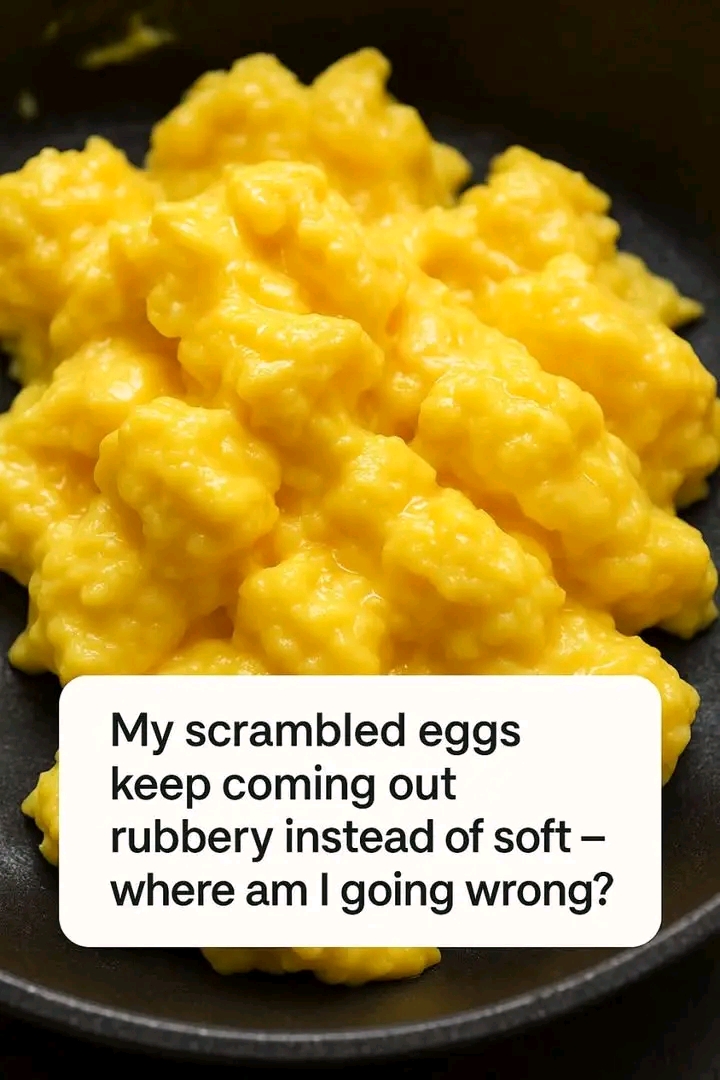
My scrambled eggs keep coming out rubbery instead of soft — where am I going wrong?
ADVERTISEMENT
