As the temperatures drop and the cold air begins to bite, many people experience discomfort when stepping outside. For some, the moment cold air touches their skin, it stings, causing immediate irritation and discomfort. This can be especially concerning if you’re unable to get medical advice right away. Understanding the potential causes and taking immediate steps to alleviate the discomfort can help manage the situation until professional medical advice is available.Cold air can exacerbate existing skin conditions and even trigger reactions in otherwise healthy skin. The stinging sensation may be due to a compromised skin barrier, increased sensitivity, or underlying dermatological issues. While waiting for an opportunity to consult with a healthcare professional, there are several proactive steps you can take to protect your skin and reduce discomfort.1. First, Rule Out An Emergency SituationBefore taking any at-home measures, it’s crucial to ensure that the stinging sensation isn’t part of a more serious issue. If your skin is swelling, blistering, or you’re experiencing severe pain, seek emergency medical care immediately. These symptoms could indicate frostbite, an allergic reaction, or a chemical burn, all of which require prompt attention.In less severe cases, check for signs of infection such as redness, warmth, or pus, which might necessitate urgent care. If the stinging is accompanied by difficulty breathing, dizziness, or swelling of the face and throat, it could be a sign of anaphylaxis, which is a medical emergency.2. Why Cold Air Makes Damaged Skin StingCold air can cause the skin to lose moisture rapidly, leading to dryness and increased sensitivity. When the skin barrier is compromised, nerve endings are more exposed, causing the stinging sensation when cold air hits. Additionally, cold air can constrict blood vessels, which may further irritate sensitive skin.Those with pre-existing conditions such as eczema or rosacea may find their symptoms worsen in cold weather. The lack of humidity can also strip the skin of its natural oils, making it more vulnerable to environmental aggressors. Understanding this mechanism can help in taking preventive steps to protect your skin from the elements.3. Do A Gentle At-Home Check Of Your Skin BarrierTo assess your skin’s condition, gently examine your skin in a well-lit area. Look for signs of flakiness, redness, or fine cracks, which could indicate a compromised barrier. Perform a patch test by applying a small amount of a gentle moisturizer to see if it soothes or irritates the area.Touch your skin lightly to check for tenderness. If your skin feels rough or uneven, it might need more hydration. Avoid using any harsh products during this time and stick to a minimal skincare routine to prevent further irritation.4. Strip Back Your Routine To The Bare MinimumSimplifying your skincare routine can reduce the risk of irritation. Use a gentle, fragrance-free cleanser and a basic moisturizer. Avoid exfoliants, retinoids, or any active ingredients that could further disrupt your skin barrier.Focus on hydration and protection by using products with minimal ingredients. This approach helps in identifying products that your skin can tolerate, minimizing the likelihood of reactions until you can seek medical advice.5. Switch To Ultra-Gentle Cleansing (Or Skip It Temporarily)Consider using a cream or oil-based cleanser that doesn’t strip your skin of essential oils. If your skin is extremely sensitive, you might even skip cleansing for a day or two to allow your skin to recover.If you must cleanse, do so at night to remove any impurities accumulated throughout the day, and use lukewarm water to prevent additional dryness. Pat your skin dry with a soft towel instead of rubbing it to prevent further irritation.6. Rebuild Your Barrier With Simple, Soothing MoisturizersLook for moisturizers containing ceramides, hyaluronic acid, or glycerin, which are known for their skin-repairing properties. These ingredients help to strengthen the skin barrier and retain moisture.Apply a generous layer of moisturizer immediately after cleansing or washing your face to lock in moisture. You may also consider using a humidifier at home to add moisture back into the air, which can help keep your skin hydrated.7. Protect Your Face Before You Step Into The ColdBefore heading outdoors, apply a protective balm or ointment to your face to act as a barrier against harsh winds and cold air. Look for products that contain occlusive agents like petroleum or squalane.Ensure that all exposed skin is covered. Consider using a broad-spectrum sunscreen to protect against UV rays, which can still be harmful even in cold weather.8. Make Smart Use Of Layers, Scarves, And Masks OutdoorsWearing layers helps trap body heat, providing warmth and protection for your skin. Use soft, breathable fabrics close to your skin to avoid irritation.Wrap a scarf around your neck and face to shield them from direct exposure to cold air. A mask can also serve as a barrier against the elements while keeping you warm.9. Everyday Habits That Quiet Stinging And SensitivityStay hydrated by drinking plenty of water throughout the day to support skin health from the inside out. Eating a balanced diet rich in omega-3 fatty acids, such as fish and flaxseeds, can help maintain skin’s moisture levels.Limit your time in hot showers or baths, as hot water can strip your skin of natural oils. Instead, opt for shorter, lukewarm showers to maintain your skin’s moisture balance.10. What To Avoid Until You’ve Seen A ProfessionalAvoid using any new skincare products or treatments that could potentially irritate your skin further. This includes chemical peels, microdermabrasion, or any products with strong active ingredients.AdvertisementRefrain from picking at or scratching your skin, which can worsen irritation and potentially lead to infection. Until you have a clear diagnosis, it’s best to err on the side of caution and keep your routine as gentle as possible.11. How To Document Your Symptoms For A Future AppointmentKeep a detailed journal of your symptoms, noting when they occur, their severity, and any potential triggers. Include information about your skincare routine, diet, and lifestyle changes.Take clear photos of any visible symptoms, such as redness or flakiness, to show your healthcare provider. This documentation will be invaluable in helping a dermatologist diagnose and treat your condition effectively when you are able to seek professional advice.
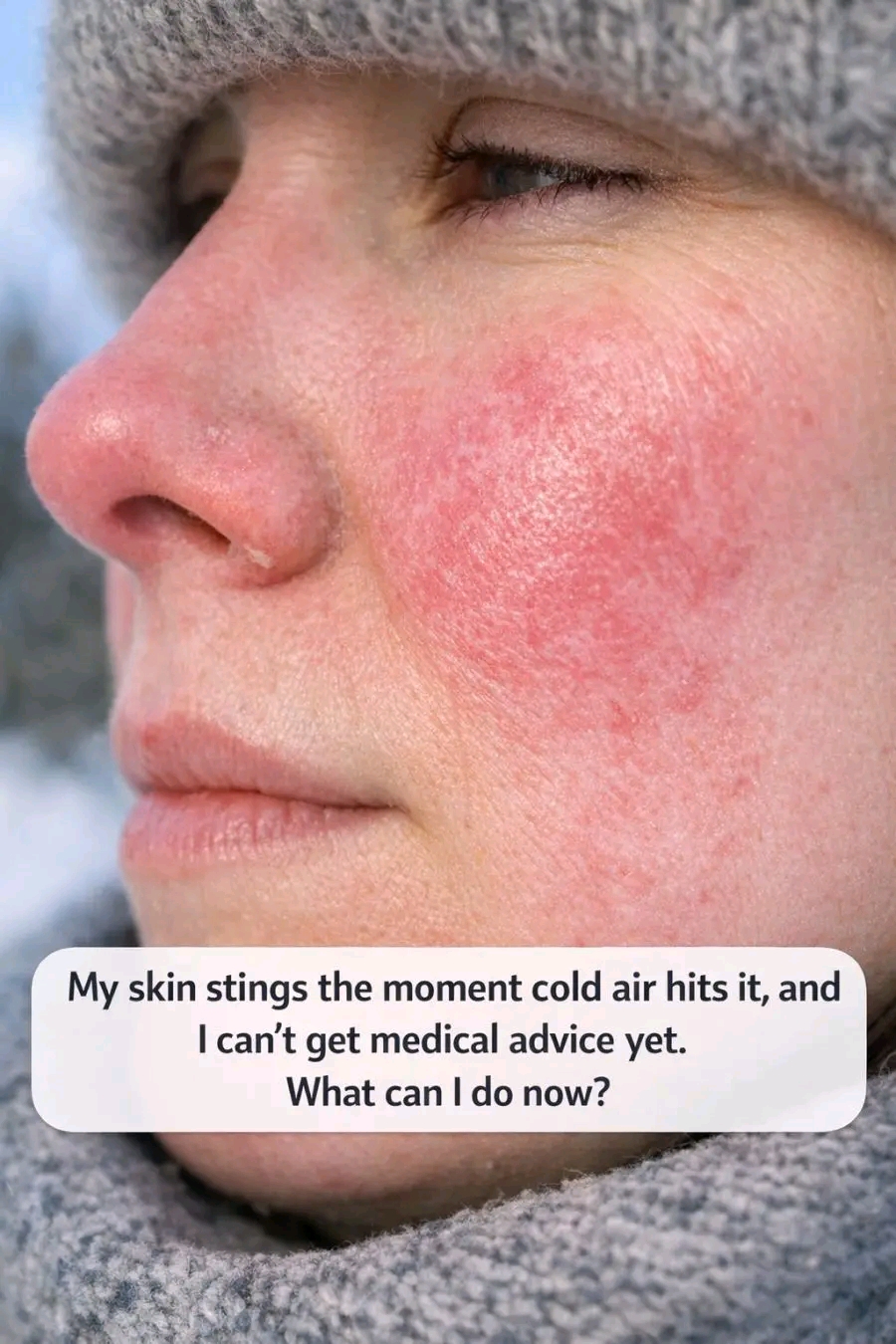
My skin stings the moment cold air hits it, and I can’t get medical advice yet. What can I do now?
ADVERTISEMENT
