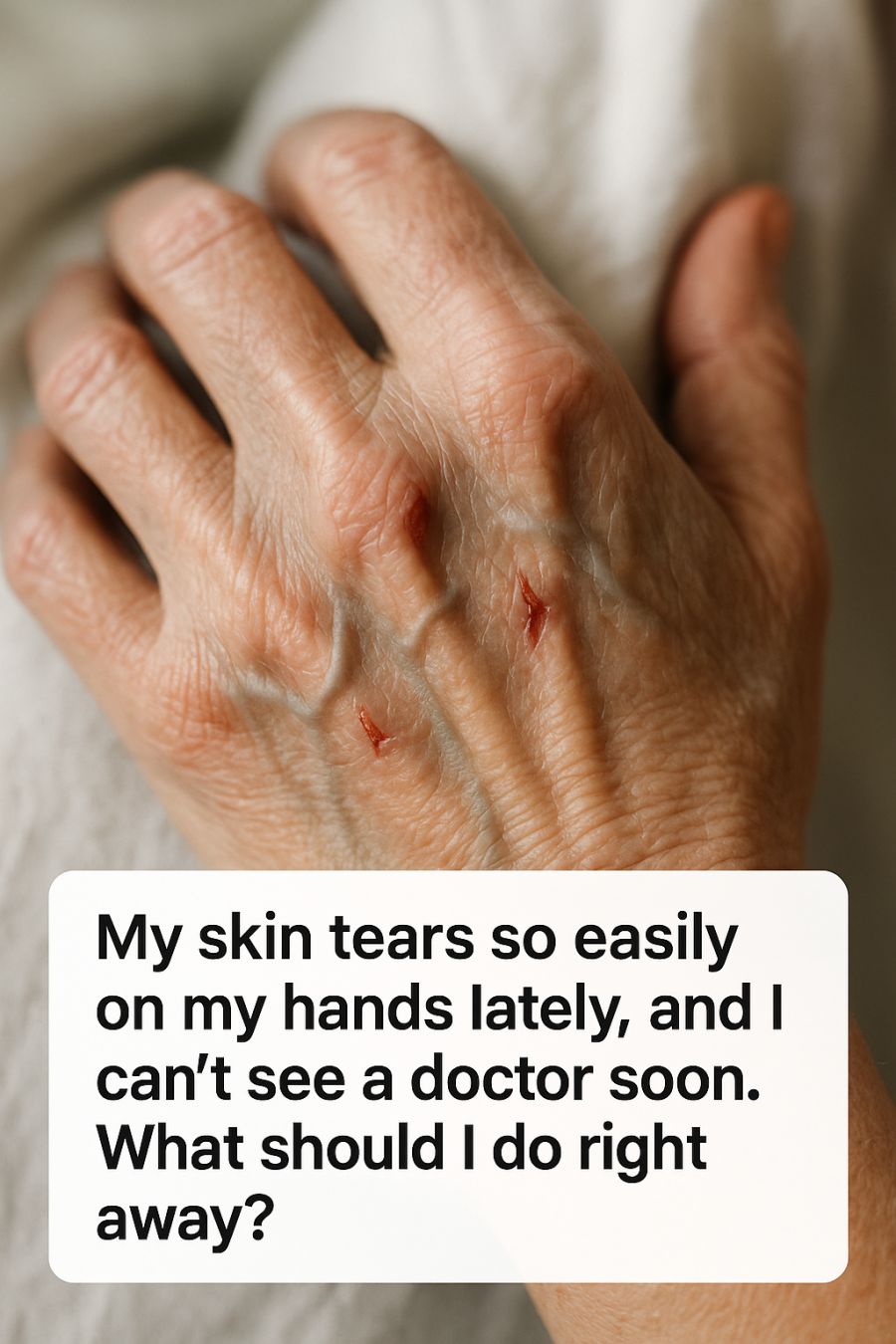
Experiencing skin that tears easily can be both distressing and inconvenient. This condition, often linked to factors such as aging, medication, or environmental factors, can make everyday tasks challenging and painful. While waiting for a professional medical consultation, there are several immediate steps you can take to manage and protect your skin.
Understanding why your skin is tearing is crucial. It might be due to naturally thinning skin as we age, exposure to harsh chemicals, or even a side effect of certain medications. While you prepare to see a doctor, implementing some protective measures can help prevent further damage and give your skin a chance to heal.
1. Pause And Protect: The First Things To Do Today
The first step in managing fragile skin is to minimize any further damage. Avoid activities that might cause friction or pressure on your hands. Simple tasks like opening jars or carrying heavy bags can lead to tears in delicate skin.
Consider wearing soft cotton gloves during activities that might involve handling rough materials. This simple barrier can protect your hands from further injury. Additionally, avoid extreme temperatures and direct sunlight as they can exacerbate skin fragility.
2. Gently Clean And Cover Any Existing Skin Tears
If you already have skin tears, it’s important to clean them gently to prevent infection. Use saline solution or mild soap and water to clean the area without rubbing. Pat the skin dry with a soft towel.
After cleaning, cover the tear with a non-stick bandage or a sterile gauze pad. Secure it in place with medical tape or a loose bandage. Change the dressing daily or if it becomes wet or dirty to promote healing and prevent infection.
3. Switch To Ultra-Gentle Cleansers And Handwashing Habits
Harsh soaps and hand sanitizers can strip your skin of natural oils, making it more susceptible to tears. Opt for fragrance-free, moisturizing cleansers that are formulated for sensitive skin.
When washing your hands, use lukewarm water and avoid scrubbing. Pat your hands dry with a soft towel instead of rubbing. Be sure to apply a moisturizing cream immediately after washing to lock in moisture.
4. Moisturize Like Medicine: Building A Protective Barrier
Regular moisturizing is crucial for maintaining skin integrity. Choose a thick, emollient-rich moisturizer that can provide a barrier against irritants and lock in moisture.
Apply moisturizer at least twice a day, and more often if your skin feels dry. Consider using products containing ceramides or hyaluronic acid, which help to hydrate and repair the skin barrier.
5. Create A Daily Hand-Care Routine To Reduce New Tears
Developing a consistent hand-care routine can help prevent further skin damage. Start your day by applying a moisturizing cream and wearing protective gloves during tasks that might irritate your skin.
Incorporate regular breaks to moisturize throughout the day, especially after washing your hands. At night, give your skin a chance to repair by applying a thick layer of moisturizer or a specialized overnight treatment.
6. Use Gloves And Smart “Barrier” Hacks For Everyday Tasks
Wearing gloves is one of the simplest ways to protect your hands from damage. Consider using cotton gloves for dry tasks and rubber gloves for wet ones. Ensure gloves fit properly to avoid additional friction.
For tasks that don’t allow glove use, consider applying a liquid bandage or barrier cream. These products create a protective layer on the skin, reducing the risk of tears.
7. Rethink Bandages, Tape, And Adhesives On Fragile Skin
Traditional bandages and adhesives can be harsh on fragile skin, potentially causing more damage when removed. Opt for silicone-based adhesives or non-adhesive bandages that are designed for sensitive skin.
When removing any adhesive products, do so slowly and gently. Consider using an adhesive remover or applying oil to the edges to ease removal and prevent skin tears.
8. Check Your Medications And Supplements For Skin-Thinning Effects
Certain medications such as corticosteroids and blood thinners can contribute to skin thinning. Review your current medications and supplements to see if any may be impacting your skin.
If you suspect a medication is contributing to your skin issues, consult your healthcare provider. They may adjust your dosage or suggest alternative treatments that are less harsh on your skin.
9. Simple At-Home Nutrition Tweaks To Support Skin Strength
Nutrition plays a vital role in skin health. Ensure your diet includes plenty of vitamins and minerals that support skin integrity, such as vitamin C, vitamin E, zinc, and omega-3 fatty acids.
Incorporate foods like citrus fruits, nuts, seeds, and fish into your meals. Staying hydrated is equally important, so aim to drink at least eight glasses of water daily to maintain skin hydration.
10. Viral Hacks To Skip: What Can Actually Make Fragile Skin Worse
While the internet is filled with DIY skin care hacks, not all are beneficial for fragile skin. Avoid using lemon juice, baking soda, or vinegar on your skin, as they can be too acidic and cause irritation.
Also, skip abrasive exfoliants or scrubs. These can damage the skin further. Stick to gentle, dermatologist-recommended products for fragile skin care.
11. Warning Signs That Mean You Should Seek Urgent Medical Help
While waiting for a doctor’s appointment, be aware of signs that require immediate medical attention. These include signs of infection such as redness, warmth, swelling, or pus around a skin tear.
Additionally, if you experience severe pain, fever, or if the skin tears are spreading rapidly, seek medical help as soon as possible to prevent serious complications.
12. How To Document Your Symptoms While You Wait For Your Appointment
Keeping a detailed record of your symptoms can be helpful for your upcoming medical consultation. Note any changes in your skin, such as new tears, changes in color, or any associated pain.
Take clear photographs of your skin’s condition over time and keep a journal of any potential triggers or activities that exacerbate your symptoms. This information can assist your healthcare provider in diagnosing and treating your condition effectively.
