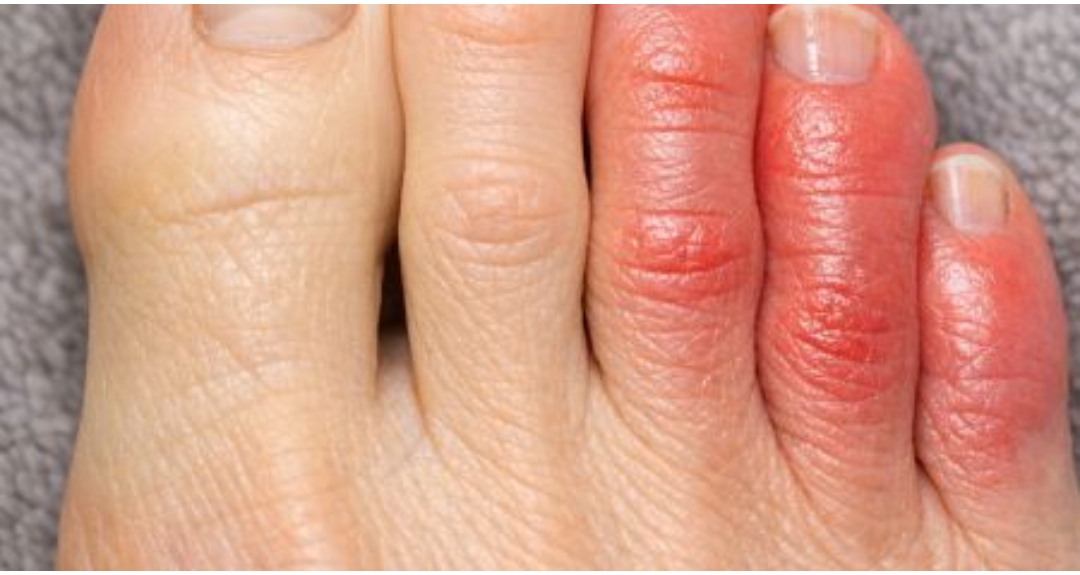
4. Why Rewarming Indoors Causes Throbbing Pain, Burning, And RednessWhen the toes are rewarmed after exposure to cold, the sudden influx of blood can cause the small vessels to become engorged, leading to swelling and pressure on surrounding tissues. This is why you might experience throbbing pain and burning sensations.The redness is due to the increased blood flow, which is part of the body’s natural healing response. The pain and discomfort generally subside as circulation normalizes, but frequent episodes can be distressing and impact quality of life.
5. Who Is Most At Risk: Age, Sex, Family History, And Other FactorsRaynaud’s phenomenon is more prevalent in women than in men and often begins before the age of 30. A family history of Raynaud’s can increase the likelihood of developing the condition, suggesting a genetic component.Other risk factors include living in colder climates, having a history of frostbite, and working with vibrating tools. People with certain autoimmune diseases are also at higher risk for secondary Raynaud’s.
6. Everyday Triggers: From Cold Floors And Wet Socks To Stress And CaffeineCommon triggers for Raynaud’s attacks include exposure to cold environments, such as walking on cold floors or wearing wet socks. Emotional stress and anxiety can also provoke episodes by causing peripheral vasoconstriction.Caffeine and nicotine are known to constrict blood vessels, potentially exacerbating symptoms. Awareness of these triggers can help manage and prevent attacks.
