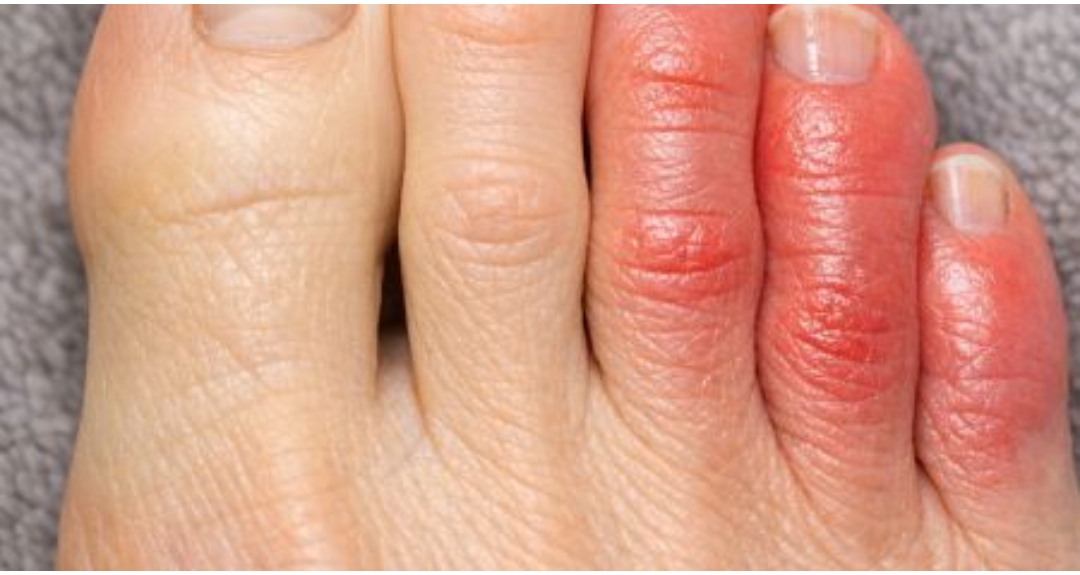
7. When It’s More Than Raynaud’s: Chilblains, Frostbite, And Other ConditionsWhile Raynaud’s is a common cause of color-changing toes, other conditions should be considered. Chilblains, also known as pernio, occur due to repeated exposure to cold, damp conditions and can cause itching, red patches, and swelling.Frostbite is a more severe condition resulting from prolonged exposure to freezing temperatures, leading to tissue damage. It’s important to differentiate these conditions from Raynaud’s to ensure appropriate treatment.
8. At-Home Strategies To Protect Your Toes And Prevent AttacksTo prevent attacks, keep your whole body warm, particularly your extremities. Wearing layered clothing, insulated socks, and proper footwear can help maintain warmth.Try to avoid sudden changes in temperature and manage stress through relaxation techniques. Keeping your feet dry and avoiding tight shoes can also reduce the frequency of attacks.
9. Medical Treatments And When To See A Doctor About Color-Changing ToesIf lifestyle changes are insufficient, medical treatment may be necessary. Calcium channel blockers, such as nifedipine, are commonly prescribed to help dilate blood vessels and improve circulation.If you experience severe or frequent episodes, or if you have sores or infections on your toes, it’s important to seek medical advice. A healthcare professional can assess for secondary causes and suggest appropriate interventions.
