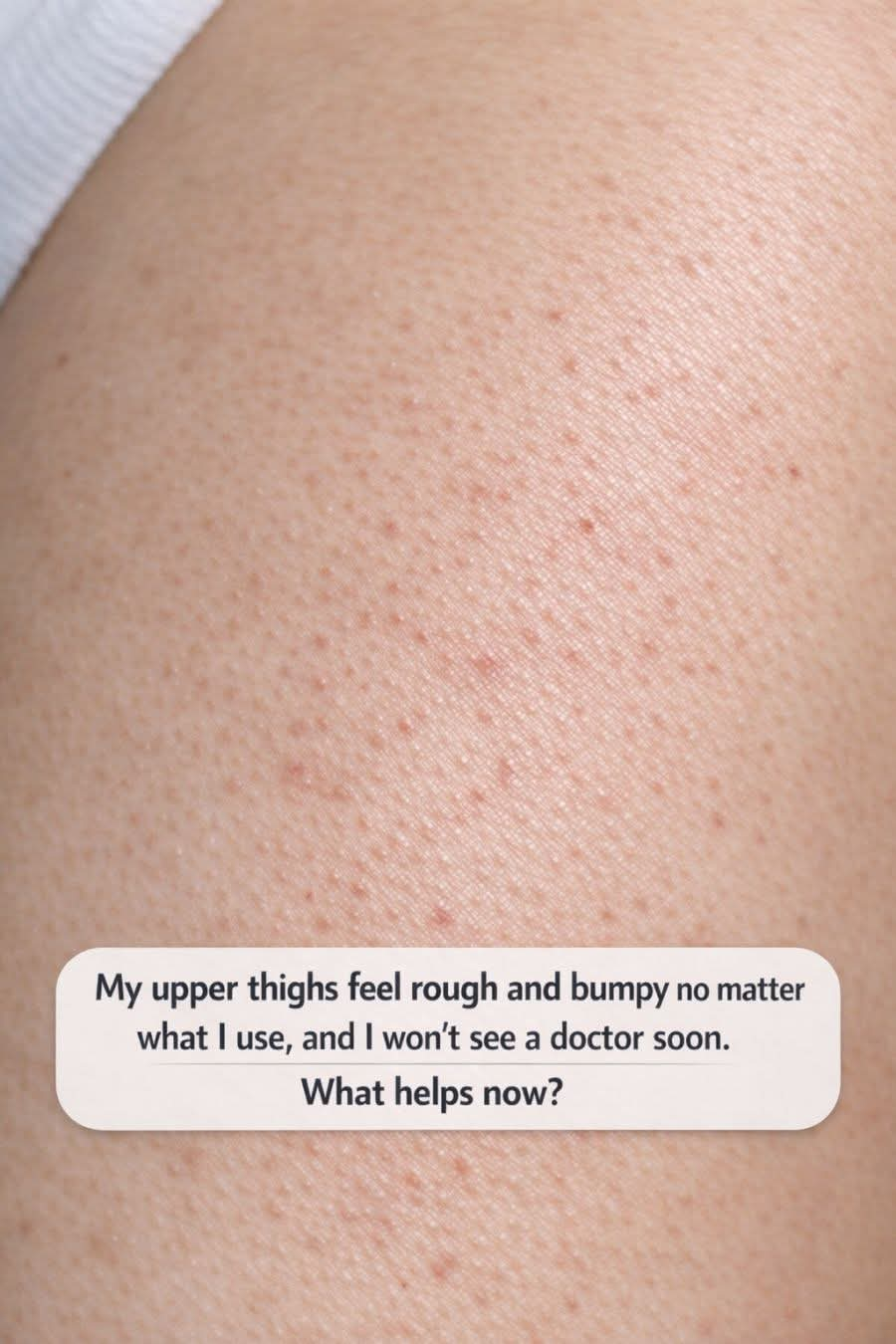
Dealing with rough, bumpy skin on your upper thighs can be frustrating, especially if you’ve tried various remedies without success. The condition might not only be uncomfortable but also affect your confidence, particularly during warmer months when shorts and skirts are the go-to apparel. While professional medical advice is always the best course of action, there are several steps you can take at home to manage and possibly improve the texture of your skin.AdvertisementBefore jumping into solutions, it’s important to understand the potential causes of your skin’s texture. Whether it’s a common condition like keratosis pilaris or something else, identifying the root cause is essential for effective treatment. This article will guide you through identifying the problem and offer practical solutions that can be implemented at home until you’re able to see a doctor.
1. Is It Keratosis Pilaris?
How To Tell What’s Going On With Your Thighs
Keratosis pilaris (KP) is a common skin condition that results in rough, bumpy patches on the skin, typically on the arms, thighs, cheeks, and buttocks. It occurs when keratin, a protein that protects skin from infections and other harmful things, builds up and blocks the opening of hair follicles. The bumps sometimes look like goosebumps or small pimples, and they can be red, white, or skin-colored.To determine if you have KP, examine your thighs closely. The bumps are usually painless but may feel rough like sandpaper. They often worsen in dry weather and improve in the summer months. While KP is harmless, it can be frustrating. If your symptoms include itchiness, inflammation, or any changes in color, it might be worth considering other conditions, such as eczema or a rash, especially if you notice any signs of infection or if the condition is widespread.
2. Gentle Cleansing: What To Use in the Shower (and What To Skip)
When dealing with rough and bumpy skin, it’s crucial to use a gentle cleansing routine to avoid further irritation. Opt for a mild, fragrance-free cleanser that won’t strip your skin of its natural oils. Look for products labeled as hypoallergenic or designed for sensitive skin, which are less likely to cause irritation.Avoid using bar soaps, as they often contain ingredients that can dry out the skin even more. Instead, use a creamy body wash or a moisturizing shower gel. Additionally, steer clear of loofahs or harsh scrubbing tools. If you prefer using a washcloth, make sure it’s soft and use it gently to avoid aggravating the skin.
3. Exfoliation That Actually Helps Bumps (Without Shredding Your Skin)Exfoliation can help improve skin texture by removing dead skin cells that can clog pores and contribute to bumps. However, it’s important to exfoliate gently to avoid damaging your skin. Consider using a chemical exfoliant with alpha hydroxy acids (AHAs) or beta hydroxy acids (BHAs), such as glycolic acid or salicylic acid. These ingredients help to gently dissolve dead skin cells without the need for harsh scrubbing.
Limit exfoliation to 1-2 times a week to prevent irritation. If you prefer physical exfoliants, opt for products with fine, gentle particles and apply them with a light touch. Always follow up with a moisturizer to keep your skin hydrated and protected.
4. The Best Over-the-Counter Ingredients for Rough, Bumpy SkinThere are several over-the-counter (OTC) products that contain ingredients specifically designed to treat rough and bumpy skin. Look for lotions or creams containing urea or lactic acid, both of which help to break down the buildup of keratin and soften the skin. Urea is particularly effective at hydrating and exfoliating the skin, making it smoother and more supple.Other beneficial ingredients include ceramides, which help restore the skin’s natural barrier, and vitamin E, known for its moisturizing and healing properties. Products containing these ingredients can often be found at drugstores and are available without a prescription.
5. Moisturizing Like a Pro: Layering Lotions, Creams, and Oils
Proper moisturizing is key to improving the texture of rough, bumpy skin. Start with a lightweight lotion immediately after showering, while your skin is still damp, to lock in moisture. Follow with a richer cream, focusing on areas that are particularly rough or dry. This layering technique helps to create a barrier that retains moisture throughout the day.For added hydration, consider incorporating oils like jojoba or rosehip oil into your routine. These oils can be applied directly to the skin or added to your moisturizer to boost its effectiveness. Pay special attention to the ingredients list and choose products that are free from alcohol and fragrances, which can be drying and irritating.
6. Simple At-Home Routines You Can Start Tonight
Establishing a consistent skincare routine can significantly improve the texture of your skin over time. Start with a gentle cleansing in the shower, followed by a chemical exfoliant if it’s an exfoliation day. After drying off, apply a moisturizing lotion or cream while your skin is still slightly damp.
Incorporate a body oil as the final step to lock in moisture. You might also consider using a humidifier in your bedroom to add moisture to the air, which can prevent your skin from drying out overnight. Wear loose, breathable clothing to bed to avoid friction and allow your skin to breathe.
7. Clothing, Friction, and Sweat: Everyday Habits Making Thighs RougherThe type of clothing you wear can play a significant role in the condition of your skin. Tight clothing can cause friction, which may exacerbate roughness and irritation. Opt for loose-fitting, breathable fabrics like cotton, which allow air to circulate and reduce the chance of sweat-related irritation.Sweat can also contribute to skin issues by blocking pores and causing irritation. Make sure to shower and change out of sweaty clothes as soon as possible after exercise. Consider using a moisture-wicking powder in areas prone to sweating to keep your skin dry and comfortable.
8. Shaving, Waxing, and Hair Removal When Your Skin Is Already Bumpy
Hair removal can be particularly tricky when dealing with bumpy skin. Shaving can lead to increased irritation and ingrown hairs. If you choose to shave, use a sharp, clean razor and a moisturizing shaving cream to reduce friction. Shave in the direction of hair growth to minimize irritation.Consider alternative hair removal methods, such as waxing or using a depilatory cream, which may be less irritating for some people. Always patch test any new product on a small area of skin first to ensure there’s no adverse reaction.
9. When It Might Not Be KP: Red Flags to Watch on Your OwnWhile KP is a common cause of rough, bumpy skin, it’s important to be aware of other potential conditions. If the bumps are accompanied by severe itching, pain, or a rash, it may indicate an allergic reaction, infection, or another dermatological condition that requires medical attention.
Pay attention to any changes in the size, color, or texture of the bumps. Sudden changes or the presence of pus, bleeding, or crusting are also red flags. Document these changes with photos or notes to discuss with a healthcare professional when you’re able to see one.
10. Low-Cost, Quick Fixes If You’re on a Budget or Short on TimeThere are several budget-friendly solutions you can try at home. Regularly applying petroleum jelly or a thick ointment like Aquaphor can help lock in moisture and protect the skin barrier. These products are often inexpensive and widely available.DIY treatments, such as a sugar scrub made from sugar and olive oil, can gently exfoliate the skin without breaking the bank. Remember to patch test any homemade remedies to ensure you don’t have an adverse reaction.
11. How To Track Changes Until You’re Able To See a DoctorKeeping track of your skin’s condition can be helpful in identifying patterns and understanding what treatments work best for you. Take photos of the affected area once a week to monitor changes over time. Note any new products you try and how your skin responds.Keep a journal to record any triggers or improvements, such as changes in weather, diet, or stress levels, which can all impact skin health. This information will be valuable when you’re able to consult with a healthcare professional, providing them with a detailed history of your skin condition.
