February might still feel like the depths of winter, but for indoor gardeners, it is a time of preparation and opportunity. As days gradually lengthen, houseplants begin to awaken from their dormancy, making it an ideal month for propagation. Whether you’re looking to expand your collection or share your favorite plants with friends, starting in February gives your cuttings a head start for the growing season ahead.Propagating houseplants can be an incredibly rewarding hobby, providing satisfaction and a sense of accomplishment as new life takes root under your care. By harnessing February’s unique conditions, you can ensure your cuttings not only survive but thrive, transforming into robust plants ready to flourish by spring and summer. This guide will walk you through the benefits of February propagation and offer practical tips for success.1. Why February Is the Secret Power Month for PropagationFebruary’s unique position in the calendar makes it perfect for initiating plant propagation. During this month, most houseplants experience a natural shift as they prepare for spring growth. The gradual increase in daylight hours triggers growth hormones in plants, encouraging them to produce new roots and shoots. For instance, many plants start to produce auxins, which are crucial for root development, as soon as they detect longer daylight periods.This subtle change means that cuttings taken in February have a hormonal advantage, helping them to root more quickly and establish stronger growth patterns. Additionally, the cooler indoor temperatures typical of late winter can reduce the risk of fungal infections and other diseases that can plague cuttings during warmer months.2. How Late-Winter Light Primes Cuttings for Explosive Spring GrowthLate-winter light, though still limited, is more intense and direct compared to the waning light of autumn. This quality of light is particularly beneficial for cuttings, as it encourages them to focus energy on root development rather than on leaf production. Furthermore, the increase in daylight hours, even by a few minutes each day, signals to the plants that it’s time to start growing.By propagating in February, you position your cuttings to take full advantage of this natural light cycle. As they begin to root, they receive just enough light to support their growth without the risk of scorching or excessive moisture loss, which can occur in the hotter months.3. Best Houseplants to Propagate in February for Foolproof SuccessCertain houseplants are particularly well-suited for February propagation due to their hardy nature and quick rooting capabilities. Plants like pothos, philodendrons, spider plants, and African violets are prime candidates. These species tend to root quickly and reliably, making them perfect for beginners.Pothos, for example, can develop roots in just a few weeks when placed in water, while spider plants readily produce offsets that can be potted up. Selecting plants that are known for their easy propagation ensures a higher success rate, allowing you to build confidence as you experiment with different techniques.4. Choosing the Healthiest Parent Plant for Stronger Future GrowthThe success of your propagation efforts largely depends on the health of the parent plant. Select a plant that is free from pests and diseases, with vibrant foliage and strong stems. A healthy parent plant will pass on its vigor to its cuttings, increasing their chances of survival and growth.Inspect the plant for any signs of distress, such as yellowing leaves or wilting stems, which can indicate underlying issues. By selecting the healthiest specimens, you ensure that your new plants have the best possible start, with robust genetics and optimal vitality.5. The Right Tools and Sterilization Habits to Prevent Rot and DiseaseUsing the right tools is crucial for successful propagation. Sharp, clean pruning shears or scissors are essential to make precise cuts without damaging the plant tissue. Sterilizing these tools before each use helps prevent the spread of disease. A simple solution of rubbing alcohol or a diluted bleach mixture can be used to wipe down blades between plants.Additionally, using sterile, well-draining potting mix or clean water for rooting cuttings is important to avoid introducing pathogens. These practices help create a healthy environment for new roots to form, reducing the risk of rot and infection.6. Step-By-Step Guide to Taking Cuttings That Root FasterBegin by selecting a healthy stem from the parent plant, ideally 4-6 inches long with several leaves. Make a clean cut just below a node, as this is where roots are most likely to form. Remove any leaves from the lower half of the cutting to prevent them from rotting in water or soil.If rooting in water, place the cutting in a clear container with enough water to cover the nodes but not the leaves. Change the water every few days to keep it fresh. For soil propagation, dip the cut end in rooting hormone before planting it in a pot filled with moistened, well-draining potting mix. Keep the soil consistently moist and provide indirect light to encourage rooting.7. Water vs. Soil: Which Propagation Method Wins in February?Both water and soil propagation have their merits, and the choice often depends on the plant species and personal preference. Water propagation allows you to visually monitor root development, making it easier to gauge when the cutting is ready for potting. It’s particularly effective for vining plants like pothos and philodendrons.Soil propagation, on the other hand, is often preferred for plants prone to transplant shock, as it allows roots to develop in the medium they’ll eventually grow in. This method can lead to stronger, more adaptable root systems. Ultimately, the best method depends on the specific plant and your growing conditions.8. Creating the Ideal Indoor Microclimate for Root DevelopmentTo encourage root development, maintain a consistent temperature between 65-75°F (18-24°C) and provide high humidity levels. Using a humidity dome or a clear plastic bag can help retain moisture around the cutting, mimicking a greenhouse environment.Position your cuttings in a location with bright, indirect light. Avoid direct sunlight, which can cause overheating and dehydration. By creating a stable microclimate, you support the delicate balance needed for successful root growth.9. Fertilizing and Potting Up February Cuttings for Long-Term StrengthOnce your cuttings have developed a robust root system, it’s time to transplant them into individual pots. Use a high-quality potting mix and ensure the new pots have adequate drainage. Begin fertilizing with a balanced, water-soluble fertilizer diluted to half strength to avoid overwhelming young plants.Gradually acclimate the new plants to their environment by increasing light exposure and reducing humidity over time. This helps them adapt and strengthens their resilience, preparing them for a lifetime of growth.10. Common February Propagation Mistakes and How to Avoid ThemOne common mistake is overwatering, which can lead to root rot. Ensure that the rooting medium is moist but not waterlogged. Another issue is using blunt tools, which can crush the plant tissue and inhibit rooting. Always use sharp, sterilized tools for clean cuts.Additionally, placing cuttings in too much or too little light can hinder growth. Provide consistent, indirect light to prevent stress and promote healthy development. By steering clear of these pitfalls, you increase the likelihood of successful propagation.11. Planning a Year-Round Propagation Calendar Starting in FebruaryFebruary is just the beginning of your propagation journey. By establishing a year-round propagation calendar, you can strategically plan when to take cuttings based on the natural growth cycles of your plants. For example, as February cuttings root and grow, you can prepare for spring and summer propagation of different species.This approach allows you to continuously expand your plant collection and ensure that you always have healthy, thriving plants. Keeping a propagation journal can help track your progress and refine your techniques, leading to greater success with each passing season.
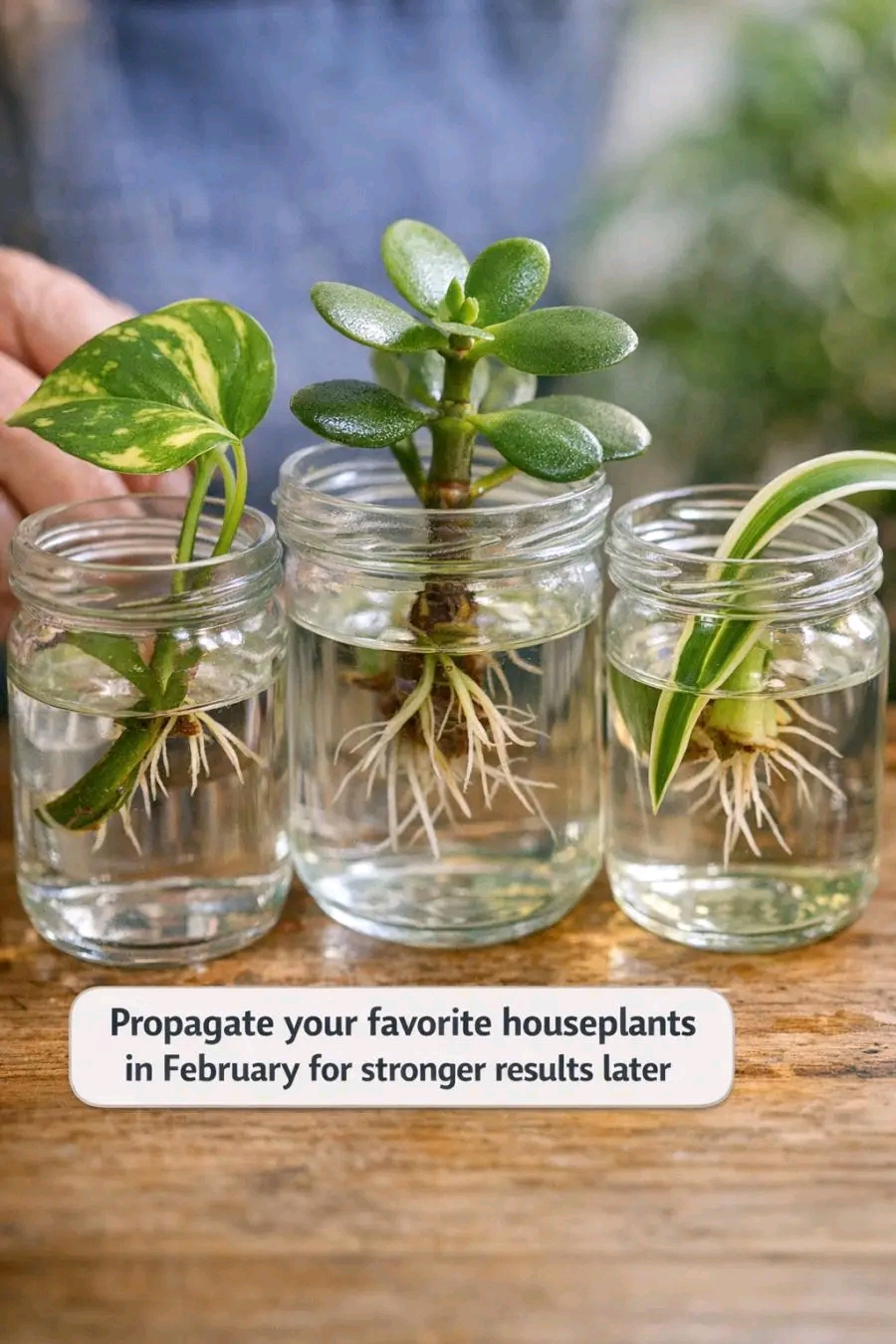
Propagate your favorite houseplants in February for stronger results later
ADVERTISEMENT
