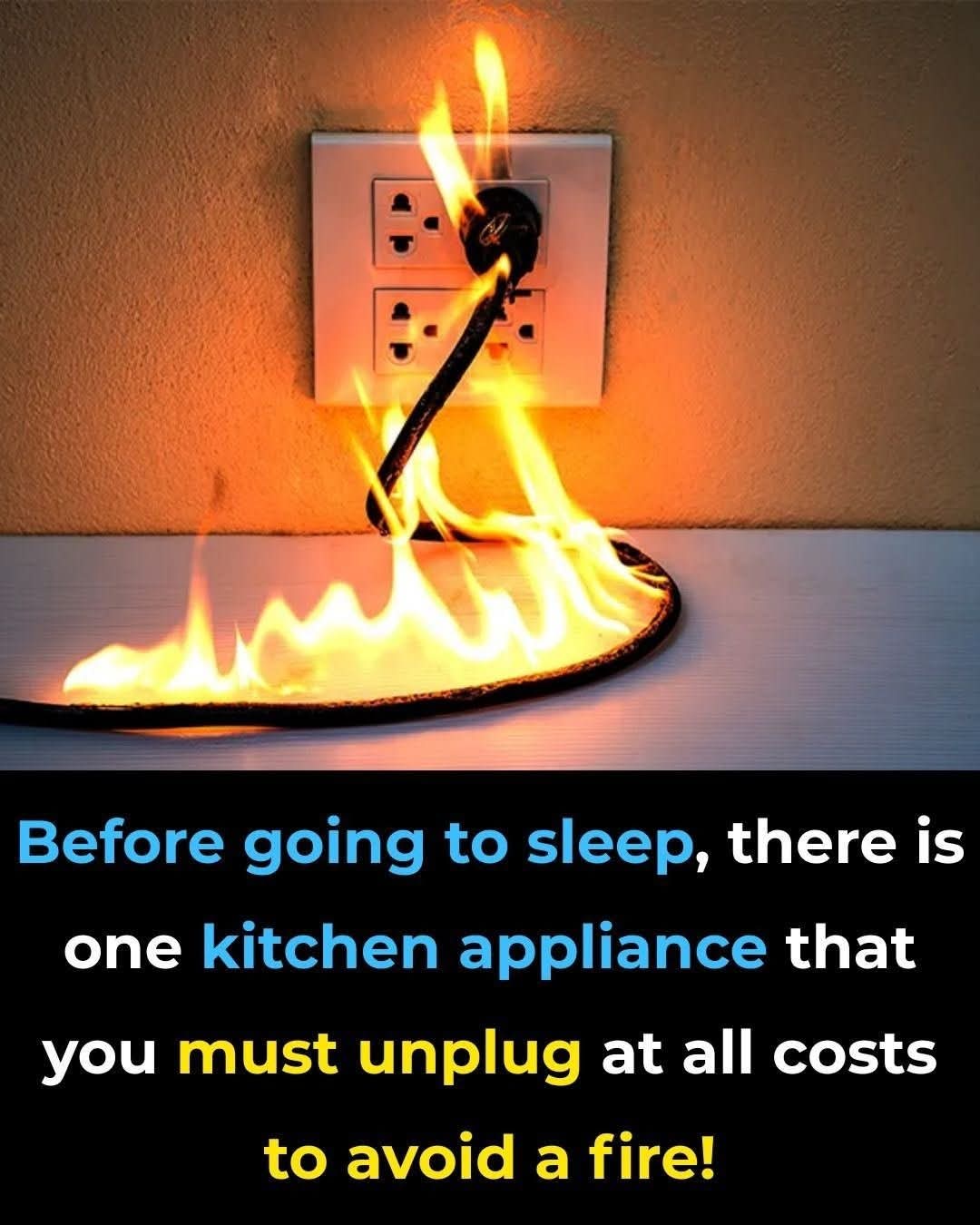
Protect Your Home and Wallet: Unplug These 5 Appliances When You’re Done Using Them
In a world where electricity powers nearly every part of our daily lives, most of us rarely think about what happens after we turn an appliance off. We assume that once a device is no longer in use, it stops consuming energy and posing any kind of risk. Unfortunately, that assumption can be costly—and sometimes dangerous.Many common household appliances continue to draw power even when they are switched off. This hidden energy use, often called “phantom load” or “vampire energy,” quietly increases your electricity bill month after month. Beyond the financial impact, certain appliances can also pose fire and safety risks if left plugged in unnecessarily.
The good news is that protecting your home and saving money doesn’t require expensive upgrades or major lifestyle changes. One of the simplest habits you can adopt is unplugging specific appliances when you’re done using them.In this in-depth guide, we’ll explore why unplugging matters, how much it can really save you, and the five appliances you should always unplug to protect both your home and your wallet.
Why Unplugging Appliances Really MattersBefore diving into the list, it’s important to understand why this small action makes such a big difference.The Hidden Cost of Standby PowerMany appliances are designed to stay partially active even when turned off. Digital clocks, remote sensors, internal memory, and instant-on features all require electricity. Individually, these devices may draw only a small amount of power—but combined across an entire home and over a full year, the cost adds up significantly.Studies estimate that standby power can account for 5–10% of a household’s total electricity usage. That means you could be paying for energy you never actually use.Fire and Safety Risks
Appliances that remain plugged in are still connected to electrical current. Power surges, faulty wiring, aging components, or overheating can all increase the risk of electrical fires—especially in older devices.Unplugging appliances when they are not in use reduces this risk and provides peace of mind, particularly when you are asleep or away from home.Extending Appliance Lifespan
Constant exposure to electrical current can contribute to wear and tear on internal components. Unplugging devices helps protect sensitive electronics and may extend their usable life.
Appliance #1: Space HeatersSpace heaters are one of the most dangerous appliances to leave plugged in.Why They’re a RiskSpace heaters draw a large amount of power and generate intense heat. Even when switched off, a plugged-in heater can still pose a hazard due to faulty switches, internal malfunctions, or power surges.According to fire safety experts, space heaters are a leading cause of home fires during colder months.Energy Impact
Because space heaters consume so much electricity, even brief periods of standby power can be costly over time.Best Practice
Always unplug space heaters immediately after use. Never leave them plugged in overnight or unattended, and avoid using extension cords.
