🌿
If you’ve ever seen purslane spreading through your garden, cracks in the driveway, or between your plants, you may have wondered what to do with it.
Many people consider purslane an annoying weed because it grows quickly and can spread easily. But common purslane (Portulaca oleracea) is also an edible plant that has been enjoyed as a food in many parts of the world.
Instead of automatically pulling it out and throwing it away, some gardeners harvest it for the kitchen.
From fresh salads to pesto, sautéed greens, soups, and homemade seasoning, this little plant can be surprisingly versatile. 🌿
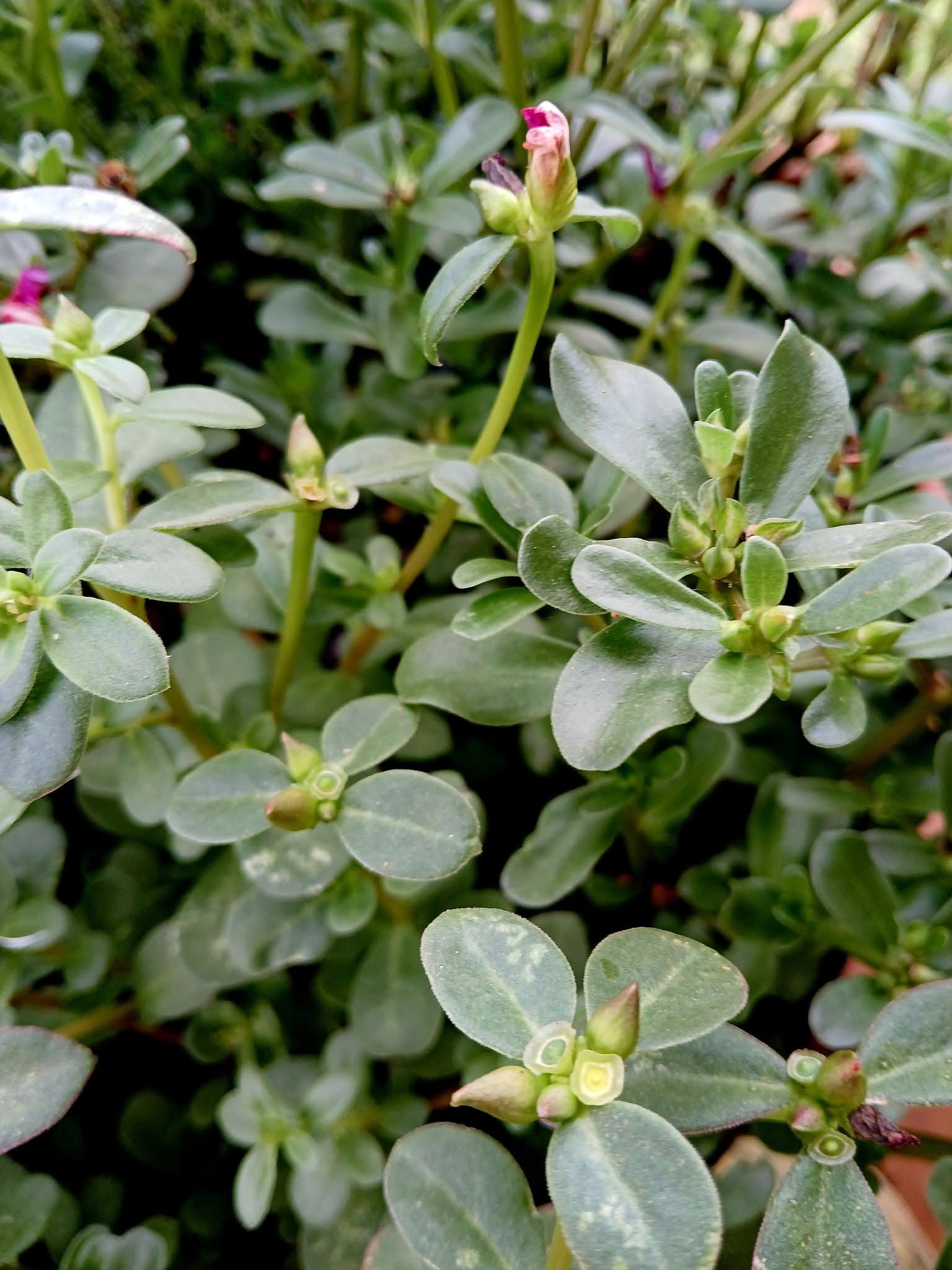
🌱 What Is Purslane?
Purslane is a low-growing succulent with:
- Thick, fleshy green leaves
- Smooth reddish or greenish stems
- Small yellow flowers
- A spreading growth habit
Its succulent leaves help it tolerate hot, dry conditions, which is one reason it can seem almost impossible to get rid of once it establishes itself.
The flavor is often described as slightly tangy, lemony, and pleasantly fresh, with a juicy texture.
🥗 Yes, Purslane Can Be Eaten
The leaves and tender stems of properly identified common purslane are edible.
They can be eaten:
- Raw
- Cooked
- Dried
- Pickled
- Added to soups
- Stir-fried
- Mixed into sauces
- Used in pesto
The leaves have a naturally succulent texture, so fresh purslane can add something different to salads and other dishes.
☀️ Fresh Purslane in Salads
One of the easiest ways to enjoy purslane is to use it fresh.
Wash it thoroughly, remove any tough portions, and add the tender leaves and stems to a salad.
Try combining it with:
🍅 Tomatoes
🥒 Cucumbers
🧅 Red onion
🍋 Lemon juice
🫒 Olive oil
🧀 Feta cheese
Its slight tanginess can work beautifully with a simple lemon-and-olive-oil dressing.
🌿 Turn Purslane Into a Homemade Seasoning
One creative way to preserve a large harvest is to dehydrate the purslane.
Once thoroughly dried, the leaves can be crumbled or ground and stored in a shaker.
You can then sprinkle the dried purslane over:
- Salads
- Soups
- Vegetables
- Rice
- Eggs
- Potatoes
- Pasta
- Homemade seasoning blends
It’s a clever way to turn a short-lived garden harvest into something you can use throughout the year.
Important Drying Tip
Make sure the purslane is completely dry before storing it. Any remaining moisture can encourage mold or spoilage.
Store dried herbs and greens in an airtight container in a cool, dry, dark place.
🌿 Purslane Pesto
Purslane can also be turned into a delicious pesto-style sauce.
A simple homemade version can include:
- Fresh purslane
- Fresh basil
- Garlic
- Lemon juice
- Olive oil
- Your favorite herbs and spices
- Parmesan or another hard cheese, if desired
- Nuts or seeds, if desired
Blend everything together in a food processor until you reach the consistency you like.
The lemon juice works especially well with purslane’s naturally tangy flavor.
Serve it over:
🍝 Pasta
🍞 Toast
🥔 Potatoes
🍗 Chicken
🥦 Roasted vegetables
🍚 Rice
🥓 Purslane With Bacon and Rice
Another simple preparation is to sauté purslane with bacon.
Cook the bacon until crisp, then use some of the rendered fat to sauté the cleaned purslane.
Once tender, spoon the mixture over cooked rice.
The salty, smoky bacon pairs nicely with the fresh, slightly tangy greens.
It’s a great example of how a plant that many people consider a weed can become part of a satisfying homemade meal.
🍲 Add Purslane to Soup
Purslane can also be added to soups and stews.
Because it has a tender, succulent texture, it can contribute both flavor and body to a pot of soup.
Try adding chopped purslane toward the end of cooking so the greens don’t become unnecessarily overcooked.
🐝 What About the Flowers?
Purslane produces small yellow flowers that can be attractive to pollinators.
However, don’t assume every plant called “purslane” is edible.
Correct identification is extremely important before eating any wild plant.
There are plants that can resemble purslane, including spurge, which is not the same edible plant and can irritate the skin and digestive tract.
When harvesting wild greens, learn the identifying characteristics of the exact species you’re collecting rather than relying only on a photograph or common name.
⚠️ A Few Important Safety Reminders
Wild-foraged food deserves extra care.
Make Sure You’ve Identified It Correctly
Only eat purslane when you are confident it is common purslane (Portulaca oleracea).
Avoid Contaminated Areas
Don’t harvest purslane growing near:
- Roadsides with heavy traffic
- Areas treated with pesticides or herbicides
- Places contaminated by animal waste
- Areas where pets frequently relieve themselves
- Industrial or otherwise polluted locations
Wash harvested greens thoroughly before eating.
One More Consideration: Oxalates
Purslane contains oxalates. People who have been advised by a healthcare professional to limit dietary oxalates should take that into consideration rather than treating purslane as an unlimited food.
🌱 Why Gardeners Love and Hate Purslane
Purslane is a perfect example of a plant that can be both helpful and frustrating.
It grows quickly.
It handles heat.
It can survive in dry conditions.
And once it starts producing seeds, it can spread readily.
That’s why one gardener may see a useful edible green while another sees an invasive garden weed.
If you want to keep it, harvest it before it takes over areas where you don’t want it.
🫙 Don’t Waste a Big Harvest
If you have more purslane than you can eat fresh, preservation gives you several options.
🌿 Dehydrate it
Dry it thoroughly and crumble it for seasoning.
🧊 Freeze it
Clean and prepare it before freezing in portions suitable for cooked dishes.
🫙 Pickle it
Its slightly tangy flavor makes it an interesting candidate for pickling.
🌿 Make pesto
Blend fresh purslane with basil, lemon, olive oil, and your favorite pesto ingredients.
🌱 From “Weed” to Dinner
That’s what makes purslane so interesting.
A plant that might be pulled from the garden and tossed into the compost can instead become part of lunch or dinner.
You can harvest it fresh for a salad, dry it for later, blend it into pesto, sauté it with bacon, or add it to soup.
Sometimes the garden gives you dinner in places you weren’t even planning to grow food. 🌿❤️
🥗 HOW WOULD YOU USE PURSLANE?
A. Fresh in a salad 🥗
B. Dehydrated as a seasoning 🌿
C. Purslane pesto 🍋
D. Sautéed with bacon 🥓
E. In soup 🍲
F. I’ve never tried it!
Have you ever harvested purslane from your yard or garden? What is your favorite way to eat it? 👇🌿
