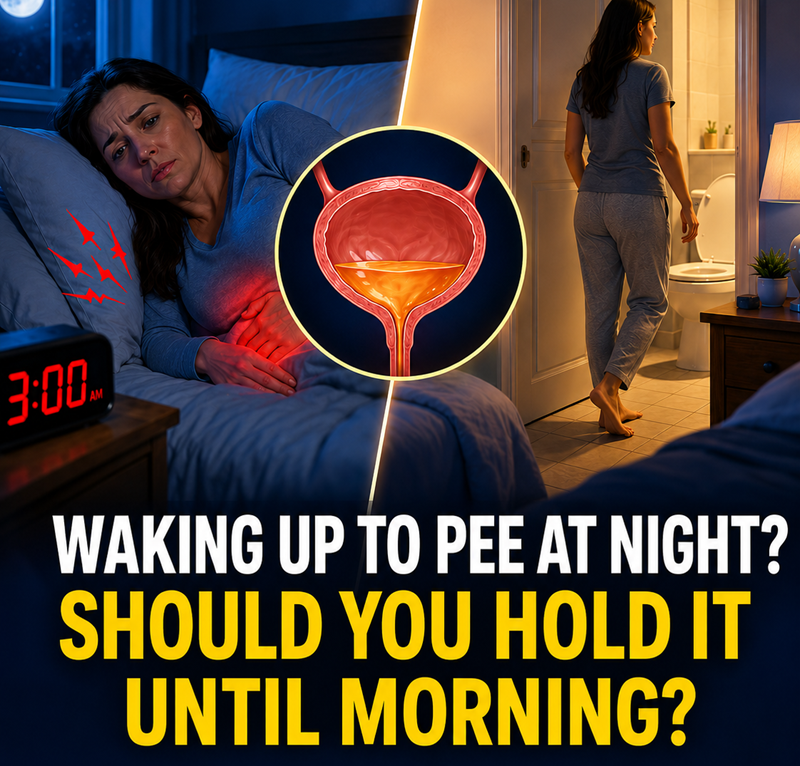
Sleep Matters—but So Does the Reason You Woke Up
Getting out of bed can interrupt your sleep. However, lying awake while fighting a strong urge may be equally disruptive.
Nocturia is the medical term for waking from sleep to urinate. It may be caused by excess urine production at night, reduced bladder storage capacity, an overactive bladder, prostate-related obstruction, or a sleep disorder. Sometimes, several factors are involved at the same time.
Frequent nighttime urination is not always caused by the bladder itself. Possible contributing factors include:
- Drinking large amounts of fluid in the evening
- Consuming caffeine or alcohol close to bedtime
- Taking diuretic medicines
- Diabetes
- Pregnancy or menopause
- Prostate enlargement
- Swelling in the legs
- Heart conditions
- Obstructive sleep apnea
Some people wake because of insomnia, snoring, pain, noise, or another sleep disturbance. Once awake, they decide to urinate even though the bladder was not the original cause of the awakening.
Repeated nocturia can reduce sleep quality and contribute to daytime tiredness, poor concentration, and mood changes. Multiple nighttime bathroom trips may also raise the risk of falls, particularly among older adults. Treating the underlying cause is therefore more useful than simply trying to train yourself to ignore the urge until morning.

A Better Nighttime Strategy
Start by urinating shortly before going to bed. Take enough time to empty your bladder properly rather than rushing. If you later wake with a strong urge, use the bathroom instead of forcing yourself to remain uncomfortable.
Try moving most of your fluid intake to earlier in the day. Avoid drinking large amounts close to bedtime, but do not severely restrict fluids or intentionally dehydrate yourself. People with heart disease, kidney disease, or other medical conditions should ask a healthcare professional how much fluid is appropriate for them.
Reducing caffeine and alcohol in the evening may also help. These drinks can increase urine production, irritate the bladder, and interfere with normal sleep.
If your ankles or lower legs swell during the day, raising your legs for a period in the afternoon or early evening may help your body process some of that fluid before bedtime.
People taking diuretics, sometimes called “water pills,” should ask the prescribing clinician whether the timing of the medication may be contributing to nighttime urination. Never stop the medicine or change its schedule without medical advice.
Keep a Bladder Diary
A simple bladder diary can help identify patterns. For several days, record:
- When and how much you drink
- When you urinate
- How often you wake at night
- Whether you experience urgency or leakage
- Symptoms such as pain, swelling, intense thirst or snoring
A voiding diary is an important part of evaluating nocturia because it can help distinguish excessive urine production from reduced bladder capacity or sleep-related causes.

When Should You See a Healthcare Professional?
Consider seeking medical advice if you wake two or more times on most nights, the problem is new or getting worse, or interrupted sleep is affecting your daytime energy, concentration, school, work, or mood.
You should also speak with a healthcare professional if nighttime urination is accompanied by burning, lower abdominal discomfort, cloudy or bloody urine, a weak urine stream, difficulty starting, leakage, unusual thirst, swollen legs, loud snoring, or excessive daytime sleepiness.
Seek urgent medical care if you have a strong need to urinate but cannot pass urine, particularly if you also have severe lower abdominal pain or swelling. Acute urinary retention can be dangerous and requires prompt treatment.
The Bottom Line
Do not make a habit of holding a strong nighttime urge simply to remain in bed. The primary concern is not an occasional short delay but repeatedly ignoring the bladder’s signals for long periods.
If nighttime urination regularly disturbs your sleep, the best solution is not to force yourself to “hold it longer.” Adjust your evening habits sensibly, pay attention to other symptoms, and investigate the underlying cause when the problem persists.
