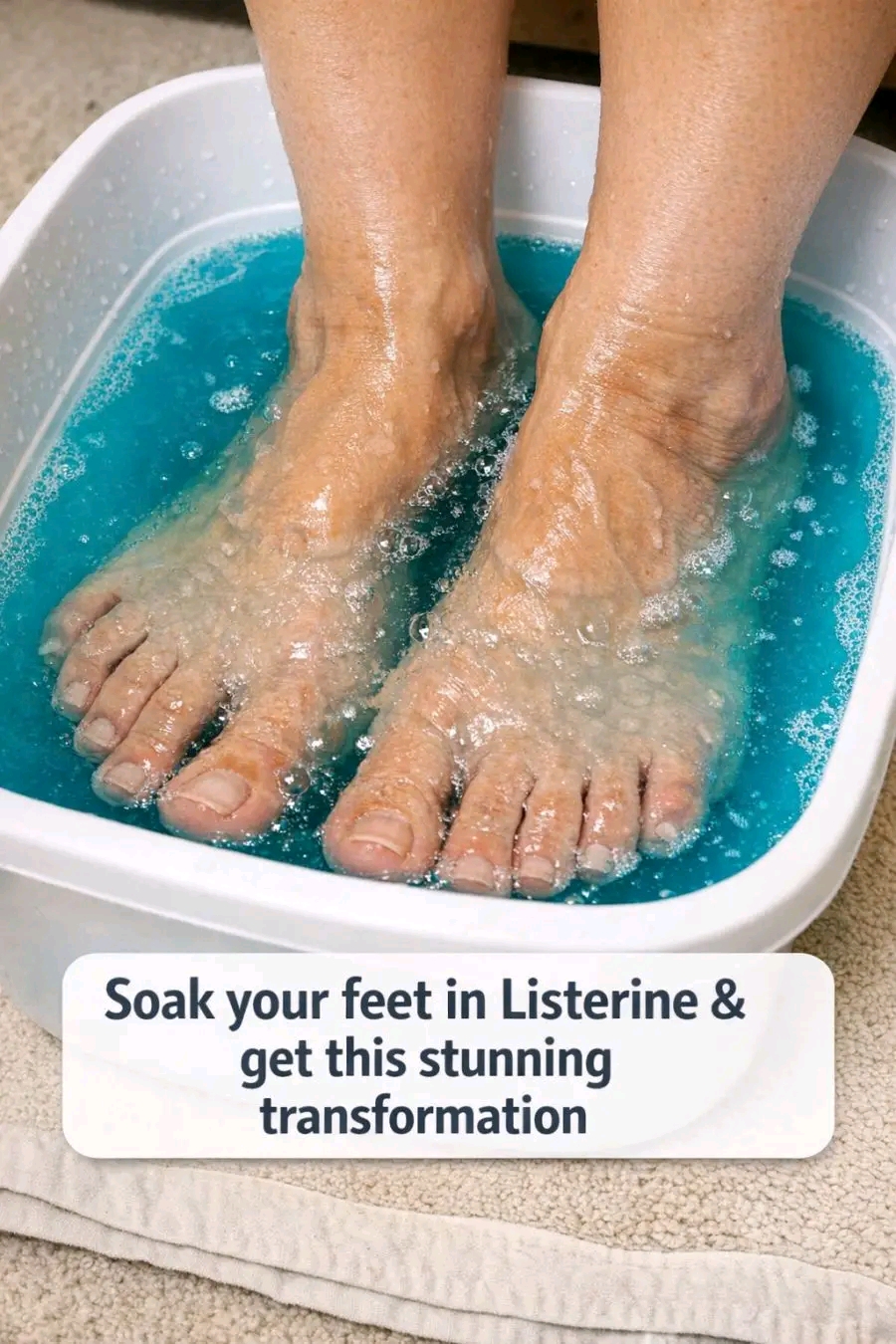
In recent years, unconventional beauty and self-care trends have gained significant popularity, with some of the most intriguing hacks involving everyday household products. One such trend that has caught the attention of many is the use of Listerine, a common mouthwash, as a foot soak. The idea of using a mouthwash for foot care might sound peculiar at first, but many swear by its effectiveness in transforming tired, dry feet into soft, refreshed ones.As more people seek DIY solutions to address their foot care woes, the Listerine foot soak has emerged as a viral sensation. Advocates claim that this simple soak can tackle a range of foot issues, from dry skin and calluses to unwanted odors. But what is it about Listerine that makes it an effective foot treatment, and how can you safely try it at home? This article delves deep into the science and steps behind the Listerine foot soak trend.
1. Why People Are Soaking Their Feet in Listerine
The trend of soaking feet in Listerine is largely driven by the search for a cost-effective and easy solution to common foot problems. Many individuals report that it helps to soften hardened skin, reduce foot odor, and even alleviate symptoms of athlete’s foot. The appeal lies in the simplicity of the method and the accessibility of the ingredient, as Listerine is a staple in many households.People have been exploring DIY beauty hacks for years, and the Listerine foot soak offers a novel way to repurpose a product most already own. The method is particularly popular among those who prefer natural or at-home remedies over professional treatments, which can be costly and time-consuming.
2. What’s Really in Listerine That Affects Your Skin
Listerine contains several active ingredients that contribute to its effectiveness as a foot soak. The main components include menthol, thymol, eucalyptol, and methyl salicylate, which are known for their antiseptic and anti-inflammatory properties. Menthol and thymol have cooling effects that can soothe tired feet, while methyl salicylate acts as a mild analgesic.Additionally, Listerine’s alcohol content helps to kill bacteria and fungi present on the skin, which can reduce odor and prevent infections. The combination of these ingredients makes Listerine more than just a mouthwash; it becomes a multi-purpose product with potential benefits for skin health.
3. The Viral Listerine Foot Soak Recipe and Exact Ratios
The typical viral recipe for a Listerine foot soak involves combining equal parts of Listerine and warm water. Some variations suggest adding vinegar to the mix, with a common ratio being 1 cup of Listerine, 1 cup of vinegar, and 2 cups of warm water. This mixture is then used to soak the feet for about 15 to 30 minutes.Vinegar, often recommended for its acetic acid content, can enhance the soak’s exfoliating properties by helping to break down dead skin cells. It is important to use warm water rather than hot to avoid skin irritation, especially for those with sensitive skin.
