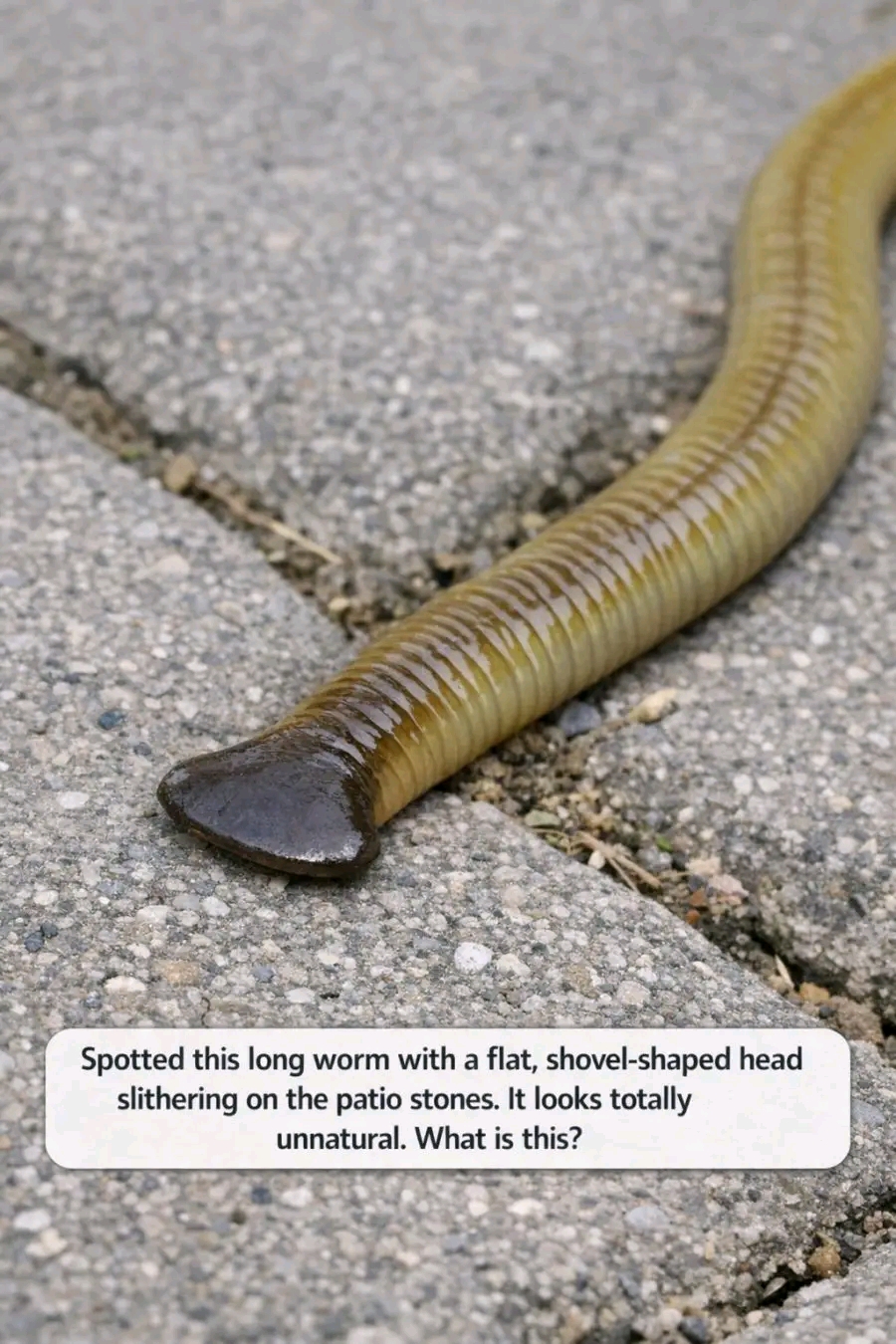
7. Toxic Slime and Neurotoxins: The Science Behind Their VenomHammerhead worms produce a toxin called tetrodotoxin, the same potent neurotoxin found in pufferfish. This toxin is used both defensively and offensively. When threatened, the slime they secrete can deter predators due to its unpleasant taste and potential toxicity.While the concentration of tetrodotoxin in hammerhead worms is not typically dangerous to humans or large animals, it is effective in subduing their prey and can cause mild irritation if it comes into contact with human skin. This toxin allows them to immobilize and digest earthworms efficiently, contributing to their success as predators.
8. What to Do If You Find a Hammerhead Worm in Your YardIf you spot a hammerhead worm in your yard, it’s important not to panic but to take steps to manage their presence. Avoid direct contact with the worm, as their slime can cause irritation. Instead, use gloves or a tool to handle them.As tempting as it may be, do not attempt to cut the worm, as this can result in the fragments regenerating into new worms, exacerbating the problem. Instead, focus on safe disposal methods to prevent further spread and impact on local ecosystems.
