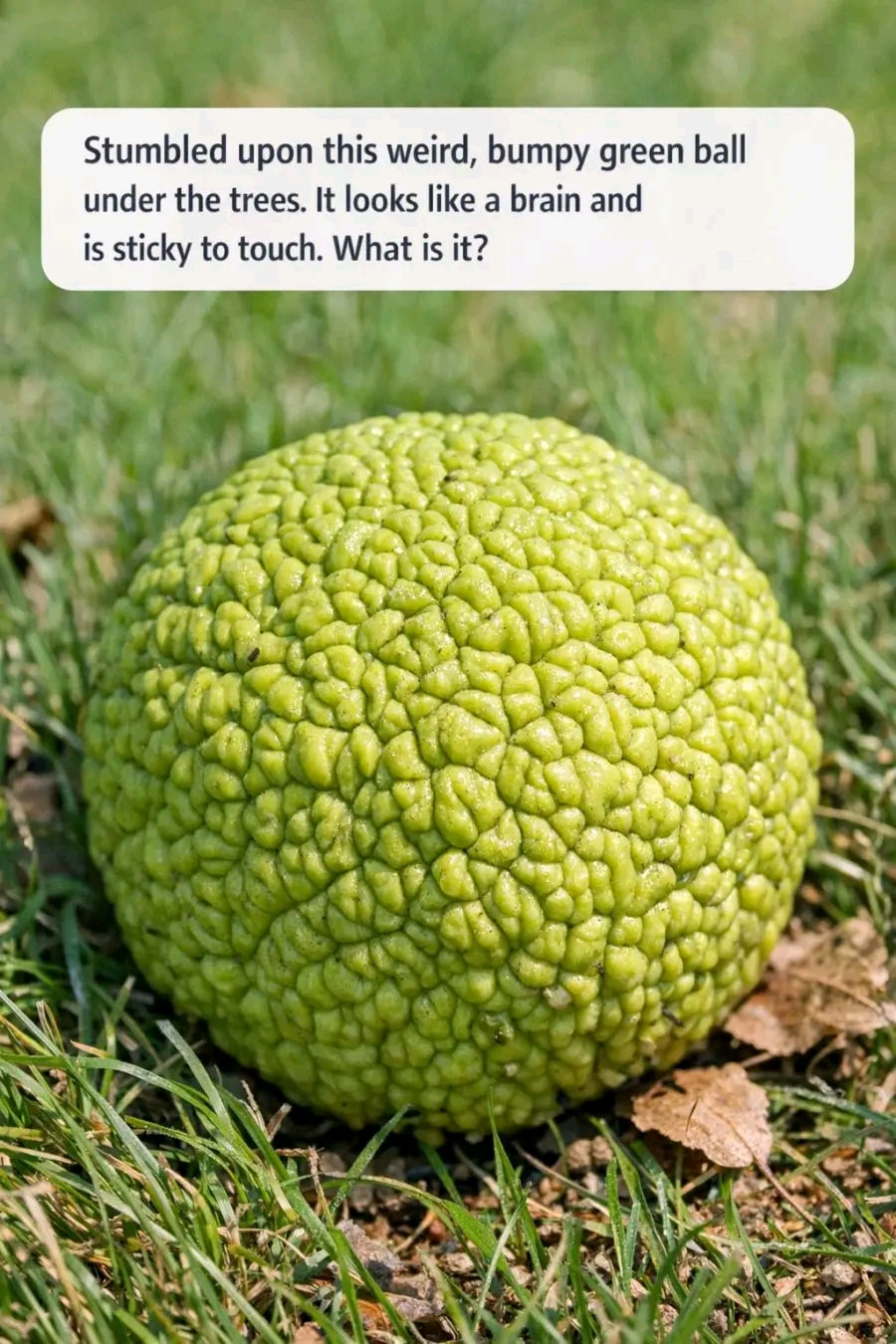
7. The Tree Behind the Fruit: Where Osage Orange GrowsThe Osage orange tree is native to the south-central United States, particularly in regions of Texas, Oklahoma, and Arkansas. It thrives in a variety of soil types and is remarkably adaptable, often found in fields, pastures, and along fence lines.Due to its hardy nature, the tree has been widely planted outside its native range and can now be found across the eastern and central United States. The tree’s resilience, combined with its dense, thorny branches, has made it a popular choice for creating natural hedges and windbreaks.
8. Old-School Uses: Living Fences, Wood, and Folk RemediesHistorically, the Osage orange tree was highly valued for its wood, which is exceptionally strong and rot-resistant. Native American tribes, such as the Osage, utilized the wood to craft bows and other tools, thanks to its flexibility and durability.In the 19th century, the tree was widely planted as a ‘living fence’ before the invention of barbed wire. The dense, thorny branches formed an effective barrier to livestock. Additionally, various folk remedies have been derived from the tree’s sap and wood, though these uses are largely anecdotal and not scientifically validated.
9. Do Osage Oranges Really Repel Spiders and Pests?A common myth surrounding Osage oranges is their supposed ability to repel spiders and other pests. Many people place the fruits around their homes as a natural insect deterrent.However, scientific evidence supporting these claims is limited. While the fruit contains compounds that can be mildly repellant, their effectiveness is not well-documented. Most experts agree that any pest-repelling properties are likely minimal.
10. Lookalikes: Other Fruits That Might Confuse YouWhile the Osage orange is distinctive, it can sometimes be confused with other fruits or nuts. One potential lookalike is the black walnut, which also has a rough, green exterior, but is generally smaller and releases a strong, pungent odor when opened.Another possible source of confusion is the horse apple, a colloquial name sometimes erroneously applied to Osage oranges. However, true horse apples come from a different species altogether. When in doubt, observing the tree and its leaves can help confirm the identity of the fruit.
11. What To Do If You Find One in Your Yard or on a WalkIf you encounter an Osage orange in your yard or on a walk, consider leaving it in place to provide food for local wildlife. Alternatively, you can collect the fruits and use them as natural decorations, particularly in autumn displays.For those interested in gardening, planting Osage orange seeds can result in a hardy, drought-resistant tree. However, be mindful of the tree’s size and thorny branches when selecting a planting location. Ultimately, the Osage orange is a fascinating piece of natural history worth appreciating, whether in the wild or as part of your landscape.
