🍤 The Dark Line in Shrimp Explained: What It Really Is—and Why Cooks Argue About Removing It
If you’ve ever peeled a shrimp before cooking, you’ve probably noticed a thin, dark line running along its back.
Some people carefully remove it every single time.
Others leave it alone without giving it a second thought.
So what’s the truth?
Is that dark line dangerous? Does it affect the taste? Should you always remove it?
Let’s clear up one of the most common questions about cooking shrimp.
What Is the Dark Line?
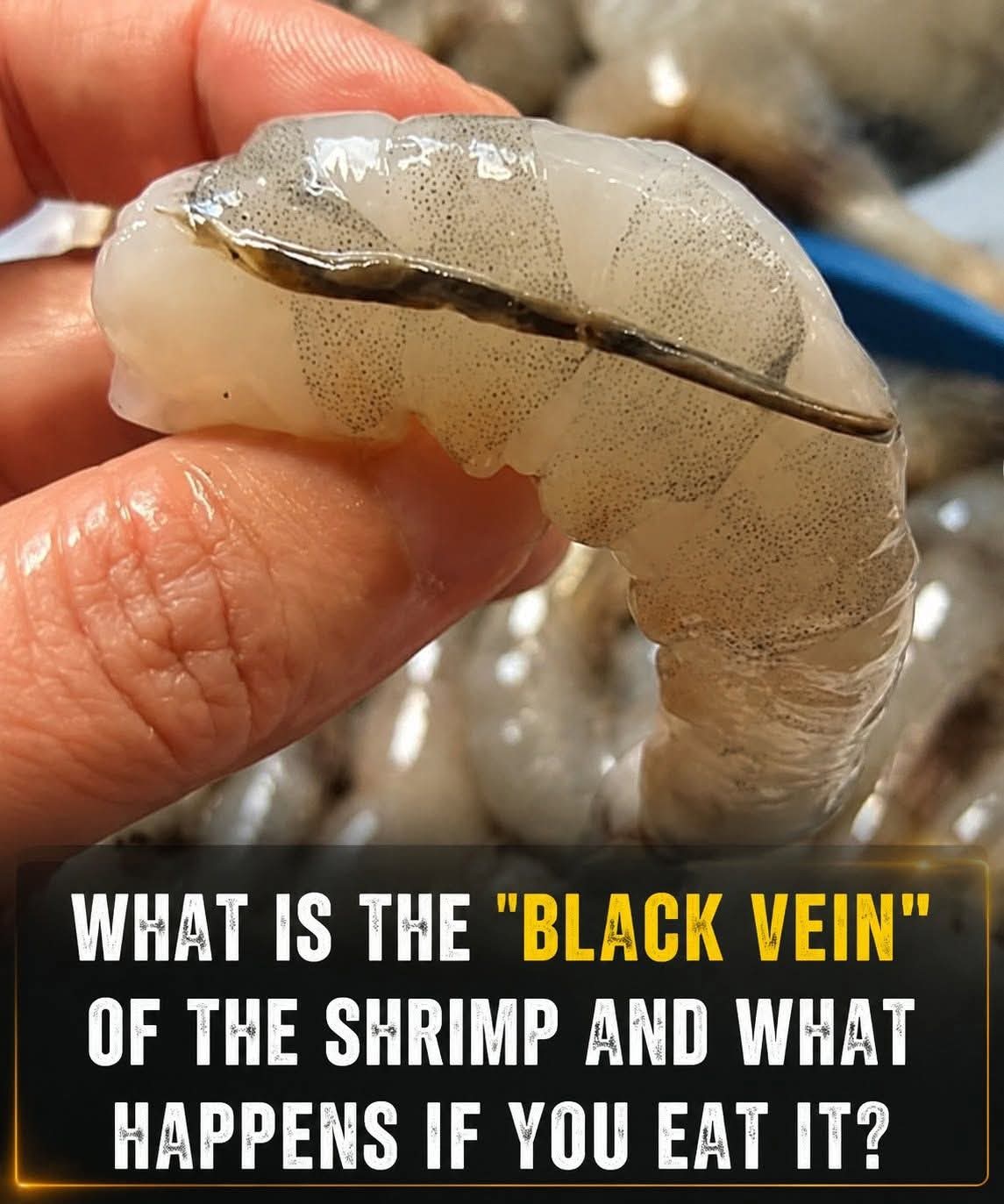
The dark line running along the back of a shrimp is its digestive tract, often called the “vein.”
Despite the name, it isn’t actually a vein.
It’s the shrimp’s intestine, which may contain partially digested food, sand, or other natural material the shrimp consumed before it was harvested.
Sometimes it’s dark and easy to see.
Other times it’s nearly clear and barely noticeable.
Is It Safe to Eat?
In general, yes.
If the shrimp has been properly handled, stored, and cooked, the digestive tract is not usually considered a food safety concern.
Many people around the world eat shrimp with the digestive tract intact, especially when it’s small or barely visible.
Why Do Some People Remove It?
Even though it’s generally safe, many cooks choose to remove it because of:
- Appearance
- Texture
- Peace of mind
- Occasionally gritty or sandy contents
If the digestive tract is large and full, it may contain bits of sand or sediment that can affect the eating experience.
Removing it helps create a cleaner-looking and sometimes cleaner-tasting shrimp.
Does It Change the Flavor?
Sometimes.
On small shrimp, many people notice little or no difference.
On larger shrimp, especially those with a thick, dark digestive tract, removing it may improve the texture and eliminate any occasional gritty bite.
That’s why many restaurants devein large shrimp before serving them.
How to Devein Shrimp
Fortunately, it’s easy.
- Peel the shrimp if desired.
- Using a small knife, make a shallow cut along the back.
- Lift out the dark line with the tip of the knife or a toothpick.
- Rinse briefly under cold water.
The shrimp is now ready to cook.
What About the Line on the Underside?
Some shrimp also have a lighter-colored line underneath.
This is not the digestive tract.
It is part of the shrimp’s nervous system (often called the ventral nerve cord) and is perfectly normal. It is usually left in place because it is very small and doesn’t affect eating.
Should You Always Remove It?
That depends.
Many home cooks follow these general guidelines:
Small shrimp
- Usually left intact.
- The digestive tract is tiny and often unnoticed.
Medium shrimp
- Personal preference.
Large or jumbo shrimp
- Often deveined for appearance and texture.
Ultimately, it’s your choice.
Freshness Matters More
Whether you remove the digestive tract or not, buying fresh, high-quality shrimp is far more important.
Look for shrimp that:
- Smell clean and fresh, not strongly fishy or like ammonia.
- Feel firm, not mushy.
- Have shells that are intact if purchasing shell-on shrimp.
- Have been kept properly refrigerated or frozen.
Tips for Cooking Perfect Shrimp
- Don’t overcook them—shrimp cook very quickly.
- Pat them dry before seasoning.
- Cook over medium-high or high heat.
- Season just before cooking.
- Remove them from the heat as soon as they turn pink and opaque.
Overcooked shrimp become firm and rubbery, no matter how carefully they’ve been cleaned.
The Bottom Line
The dark line on the back of a shrimp is its digestive tract—not a vein. In most cases, it is safe to eat when the shrimp has been properly handled and cooked. Many cooks remove it for cosmetic reasons or to avoid any possible gritty texture, while others leave it in, especially on smaller shrimp. There is no single “right” way, and whether you devein your shrimp often comes down to personal preference and the size of the shrimp.
🍤 What About You?
Be honest…
Do you remove the dark line from shrimp before cooking?
🍤 YES – I always devein them.
🍤 NO – I leave it in.
🍤 IT DEPENDS – Only on larger shrimp.
Share your answer in the comments—we’d love to hear what you do in your kitchen!
