Noticing changes in your skin can be unsettling, especially when these changes appear in areas like the neck and underarms, where skin is usually soft and smooth. When the skin in these areas becomes darker and thicker, it can lead to discomfort and self-consciousness, prompting many to seek answers even before a formal medical diagnosis.While waiting for an appointment with a healthcare provider, it’s important to understand possible causes and interim solutions. This article aims to explore potential reasons for these skin changes, such as acanthosis nigricans, and provide practical advice on managing symptoms and improving skin health at home.1. Why Dark, Thickened Skin in Folds Often Points to Acanthosis NigricansAcanthosis nigricans is a skin condition characterized by dark, velvety patches that typically appear in body folds and creases, such as the neck, armpits, and groin. This condition is often a sign of an underlying health issue, such as insulin resistance, obesity, or hormonal disorders. It is more common in individuals with darker skin tones, although it can affect anyone.The patches associated with acanthosis nigricans are usually not itchy or painful, but their appearance can be concerning. The skin may feel thicker than the surrounding areas, and in some cases, the texture can become rough or papillomatous. Understanding this condition can help in recognizing the need for medical evaluation, especially if the patches appear suddenly or are accompanied by other symptoms.2. When Darkened Neck and Underarm Skin Signals a Blood Sugar ProblemOne of the most common associations of acanthosis nigricans is with insulin resistance, a condition where the body doesn’t use insulin effectively. Insulin resistance can lead to elevated blood sugar levels and is a precursor to type 2 diabetes. Studies suggest that up to 90% of people with insulin resistance may develop acanthosis nigricans.Increased levels of insulin in the bloodstream can stimulate skin cells to proliferate, leading to the thickening and darkening of the skin. If you notice these skin changes, particularly if you have a family history of diabetes or other risk factors, it’s crucial to monitor blood sugar levels and discuss with your doctor the possibility of testing for diabetes or pre-diabetes.3. Other Possible Causes: From Medications to Hormones and GeneticsAside from insulin resistance, acanthosis nigricans can also be caused by certain medications, such as oral contraceptives or high-dose niacin, which can alter hormone levels and lead to skin changes. Other hormonal disorders, like polycystic ovary syndrome (PCOS), can also be associated with the condition.Genetic factors might play a role as well, with some hereditary syndromes, such as Crouzon syndrome or acromegaly, linked to the development of acanthosis nigricans. In rare cases, the condition can be a sign of an internal malignancy, particularly gastric cancer, especially when it appears suddenly in older adults. Recognizing these potential causes can guide further investigation and management.4. What You Can Safely Do at Home While You Wait for Your AppointmentWhile waiting for your appointment, there are several measures you can take to manage symptoms and improve skin appearance. Start by maintaining good hygiene and keeping the affected areas clean and dry. Avoid using harsh soaps or scrubbing vigorously, as this can irritate the skin further.Moisturizing the skin with gentle, fragrance-free lotions can help to keep the skin soft and reduce discomfort. It’s also beneficial to wear loose-fitting clothing to minimize friction and irritation in the affected areas. These measures can provide some relief and prevent further darkening or thickening of the skin.5. Gentle Cleansing and Friction-Reducing Habits That Protect Your SkinGentle cleansing is key to managing thickened, darkened skin. Opt for mild, fragrance-free cleansers that won’t strip the skin of its natural oils. When bathing, use lukewarm water instead of hot, as hot water can exacerbate dryness and irritation.Friction can worsen the condition, so it’s important to reduce rubbing on the affected areas. Wear soft, breathable fabrics like cotton, which minimize friction and allow the skin to breathe. If you’re prone to sweating, especially in warm weather, try to keep the skin dry by using absorbent powders or antiperspirant products designed for sensitive skin.6. Over-The-Counter Creams and Ingredients That May Help (And What to Avoid)Certain over-the-counter creams can be helpful in managing acanthosis nigricans. Look for products containing urea, lactic acid, or salicylic acid, as these ingredients can help to exfoliate the skin and improve its texture. However, it’s essential to use these products sparingly and avoid applying them to irritated or broken skin.It’s advisable to avoid products with harsh chemicals or strong fragrances, as these can irritate the skin further. If you’re uncertain about which products to use, consulting with a pharmacist or dermatologist can provide guidance on safe and effective options.7. How Weight, Diet, and Insulin Resistance Are Linked to These Skin ChangesWeight and diet play a significant role in the development of insulin resistance, which is closely linked to acanthosis nigricans. Excess body weight, particularly around the abdomen, can increase the risk of insulin resistance. A diet high in refined carbohydrates and sugars can exacerbate this condition.Managing weight through a balanced diet and regular physical activity is crucial. Focus on consuming whole foods, such as vegetables, fruits, lean proteins, and whole grains, which can help regulate blood sugar levels and reduce the risk of insulin resistance. Incorporating regular physical activity, such as brisk walking or cycling, can also improve insulin sensitivity and aid in weight management.8. Simple Food and Lifestyle Tweaks You Can Start Right NowMaking small changes to your diet and lifestyle can have a significant impact on skin health and overall well-being. Start by reducing the intake of sugary and processed foods, which can contribute to weight gain and insulin resistance. Instead, focus on a diet rich in fiber, such as fruits, vegetables, and whole grains, which can help maintain healthy blood sugar levels.Incorporating regular physical activity into your routine is also beneficial. Aim for at least 150 minutes of moderate-intensity exercise per week, such as walking, swimming, or cycling. These activities can help improve insulin sensitivity and promote weight loss, potentially reducing the severity of skin changes.9. When Dark Patches Are a Red Flag for Something More SeriousIn some cases, the sudden appearance of dark patches, especially in combination with other symptoms such as unexplained weight loss or gastrointestinal issues, can indicate a more serious underlying condition. Rarely, acanthosis nigricans can be associated with certain types of cancer, particularly gastric adenocarcinoma.If you notice rapid changes in your skin or if the dark patches are accompanied by other worrying symptoms, it’s important to seek medical attention promptly. Early detection and treatment of any underlying condition can significantly improve outcomes and prevent complications.10. What to Tell Your Doctor (And Tests You Can Ask About)When you visit your doctor, it’s important to provide a comprehensive history of your symptoms. Note when you first noticed the skin changes, any associated symptoms, and any relevant family history, such as diabetes or hormonal disorders.Your doctor may recommend tests to determine the underlying cause of your skin changes. Common tests include blood glucose tests to check for diabetes, hormone level assessments, and in some cases, a skin biopsy to rule out other skin conditions. Discussing these options with your doctor can help guide appropriate management and treatment.11. Coping With Self-Consciousness and Online Myths About ‘Dirty’ SkinDealing with visible skin changes can be challenging, especially when misconceptions persist. It’s important to remember that acanthosis nigricans is not related to hygiene and isn’t contagious. Educating yourself and others about the condition can help reduce stigma and promote understanding.Connecting with support groups or online communities can provide a sense of belonging and reassurance. Sharing experiences and tips with others who have similar conditions can be empowering and help build confidence. Remember, seeking professional advice and focusing on managing your health is the most effective way to address these skin changes.
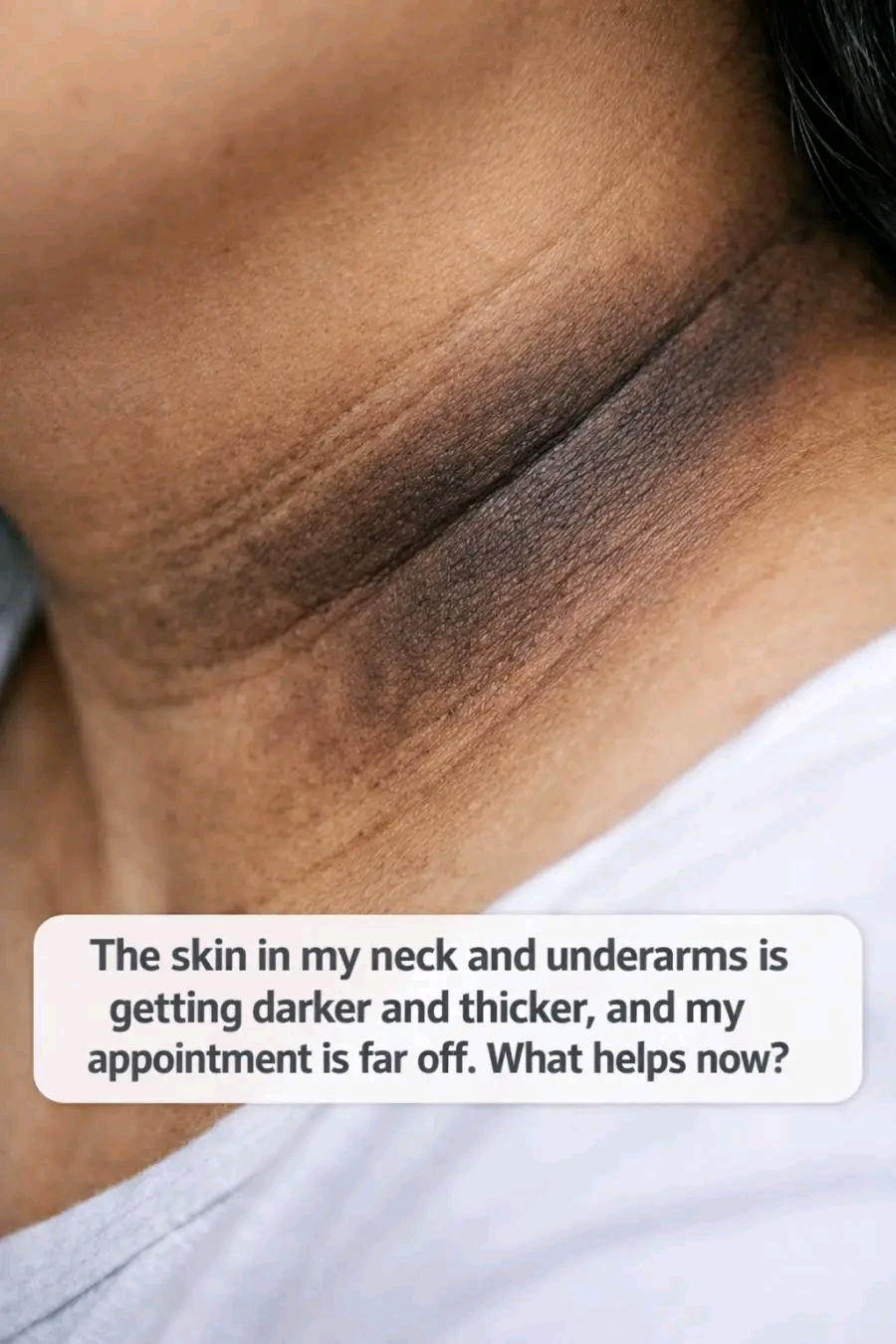
The skin in my neck and underarms is getting darker and thicker, and my appointment is far off. What helps now?
ADVERTISEMENT
