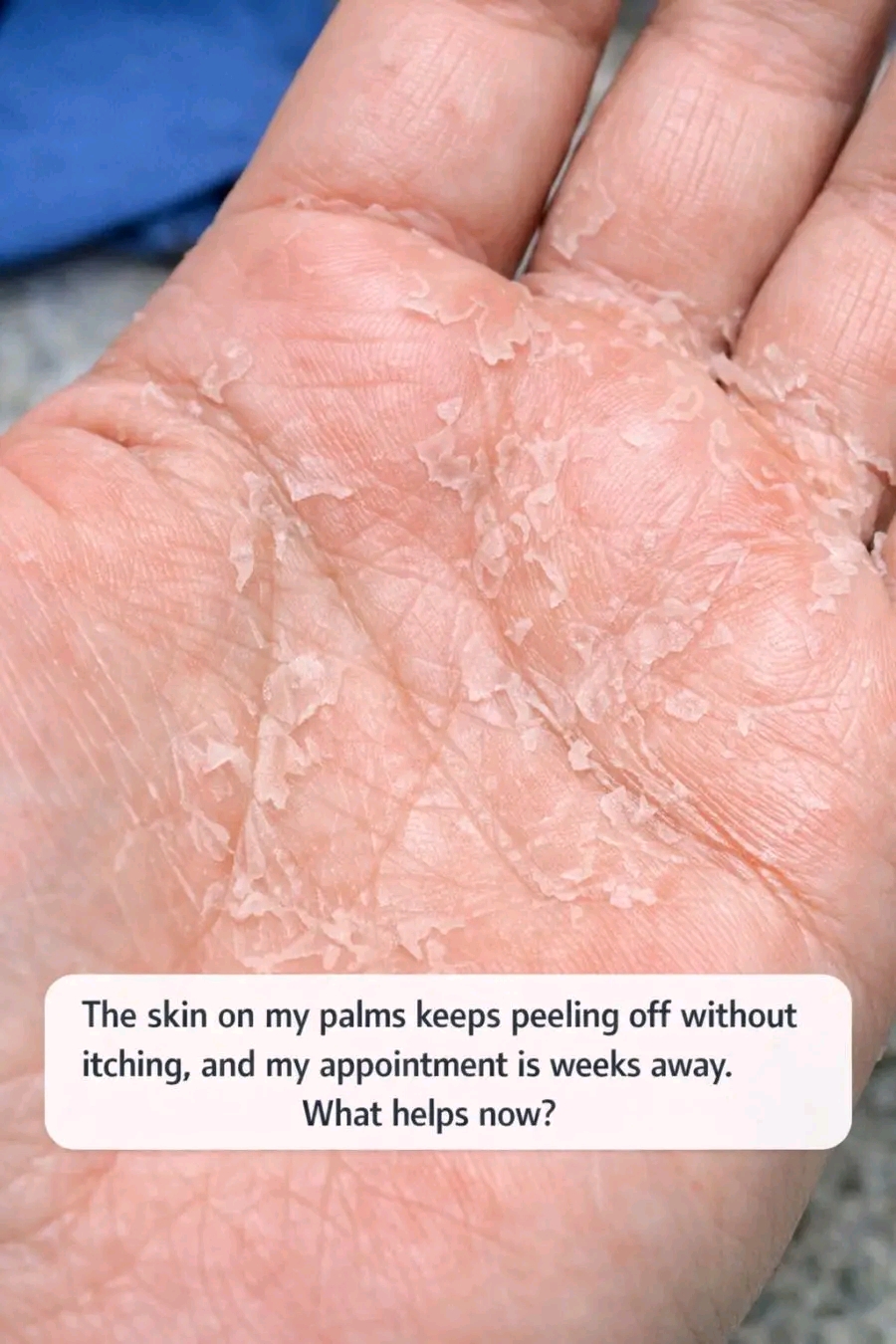
Experiencing peeling skin on your palms can be concerning, especially when it occurs without the accompanying itchiness often associated with skin conditions. While the sensation of peeling can be uncomfortable, the absence of itch might leave you unsure about the seriousness of the condition. You might wonder whether this is an issue that needs immediate medical attention, or if you can manage it on your own until your dermatology appointment, which could be weeks away.Understanding the causes and potential treatments for non-itchy peeling skin can empower you to take proactive steps in addressing the issue. This article will guide you through the potential causes, home remedies, and preventative measures to help manage your symptoms effectively while you await your professional consultation.
1. Is Peeling, Non-Itchy Palm Skin Dangerous?In most cases, peeling skin on the palms without itching is not indicative of a dangerous condition. However, it can signal an underlying issue that needs attention. Peeling can result from various benign causes like dry skin, contact with irritants, or minor infections. It’s essential to observe the extent and duration of the peeling. If it spreads beyond your palms or persists for an extended period, it may warrant further investigation.For example, a sudden onset of extensive peeling could suggest an allergic reaction or contact dermatitis, especially if you have recently changed skincare products or come into contact with new substances. Measuring the area affected and noting any additional symptoms like redness or swelling can help determine the severity.
2. Keratolysis Exfoliativa: The Most Likely CulpritKeratolysis exfoliativa, also known as exfoliative keratolysis, is a common condition that causes painless peeling of the skin on the palms and sometimes the soles. It typically appears as small, air-filled blisters that eventually peel off, revealing tender new skin underneath. This condition is more prevalent in the summer and often exacerbated by exposure to water, soaps, and detergents.The peeling is usually seasonal, with flare-ups occurring during warmer months due to increased sweating or humidity. While the condition is not harmful, it can be bothersome. Keeping the skin moisturized and avoiding irritants can help manage symptoms.
3. Other Conditions That Can Look SimilarSeveral other conditions can mimic the appearance of peeling palms without itchiness. Dyshidrotic eczema, although often itchy, can sometimes present with peeling after the blisters dry up. Psoriasis, another potential cause, can lead to peeling skin but is usually accompanied by redness and thick, scaly patches.Fungal infections, although typically itchy, can occasionally cause peeling as well. It is essential to differentiate between these conditions to apply the appropriate treatment. Observing any accompanying symptoms, such as changes in nail texture or color, can provide additional clues.
4. Simple At-Home Care To Start Right NowStart by implementing a regular moisturizing routine to combat dryness that could be contributing to the peeling. Use a thick, fragrance-free moisturizer several times a day, especially after washing your hands. Look for products containing urea or lactic acid, which help to retain moisture and promote skin healing.Avoiding hot water and harsh soaps can prevent further irritation. Instead, opt for lukewarm water and gentle, hydrating cleansers. Pat your hands dry with a soft towel rather than rubbing them, which can exacerbate peeling.
5. The Best Moisturizers And Barrier Creams For Peeling PalmsSelect moisturizers that contain ingredients like ceramides, glycerin, or hyaluronic acid, which help repair the skin barrier and lock in moisture. Barrier creams, often containing dimethicone or petrolatum, create a protective layer over the skin, shielding it from irritants.Apply a generous amount of moisturizer or barrier cream after handwashing and before bed to allow for overnight healing. Products labeled ‘dermatologist-recommended’ or ‘sensitive skin safe’ are generally a good choice.
6. Gentle Washing Habits That Actually Help Skin HealSwitch to mild, soap-free cleansers that are less likely to strip away your skin’s natural oils. When washing your hands, use warm water instead of hot, as hot water can dry out the skin further.Limit hand washing to necessary instances and avoid the overuse of hand sanitizers, especially those with high alcohol content. After washing, gently pat your hands dry with a soft towel and immediately apply a moisturizer to lock in moisture.
7. Hidden Triggers: Soaps, Sanitizers, Gloves, And Water ExposureCommon household products like soaps and sanitizers can contain harsh chemicals that exacerbate skin peeling. Opt for products labeled as hypoallergenic or designed for sensitive skin.Prolonged water exposure, such as during dishwashing or swimming, can also weaken the skin barrier. Wearing gloves during activities involving water or harsh chemicals can provide a physical barrier, protecting your skin from further irritation.
8. When To Try Over-The-Counter Creams And When To Avoid SteroidsAdvertisementOver-the-counter creams containing hydrocortisone can reduce inflammation and redness if present. However, they should be used sparingly and not as a long-term solution, as prolonged use can thin the skin.It’s advisable to avoid steroid creams unless prescribed by a healthcare professional, as they might mask symptoms of other underlying conditions that need different treatments. Non-steroidal options like calamine lotion or aloe vera gel can soothe and cool the skin.
9. Practical Hacks To Protect Your Hands All DayConsider wearing cotton gloves under heavier gloves if working in conditions that could irritate your skin. This double-glove technique helps absorb sweat and provides an additional layer of protection.AdvertisementKeep small tubes of moisturizer in your bag or at your desk to reapply throughout the day, especially after handwashing. Using a humidifier at home can also maintain moisture levels in the air, preventing further drying of the skin.
10. What To Track Before Your Dermatology AppointmentKeep a daily log of your symptoms, noting the severity and any changes in appearance or texture. Include information about any new products you have used and environmental factors like weather changes or increased water exposure.Photographing the affected areas regularly can provide visual documentation of changes over time. This information can be invaluable to your dermatologist in diagnosing the condition and recommending the best course of action.
11. Red-Flag Symptoms That Mean You Shouldn’t Wait WeeksIf you notice additional symptoms such as severe redness, swelling, pain, or the development of pus-filled blisters, seek medical attention promptly. These could indicate an infection or a more serious underlying condition.Similarly, if the peeling spreads rapidly beyond the palms, or if you’re experiencing systemic symptoms like fever or chills, it would be wise to consult a healthcare provider sooner rather than later, as these may be signs of a more serious condition.
