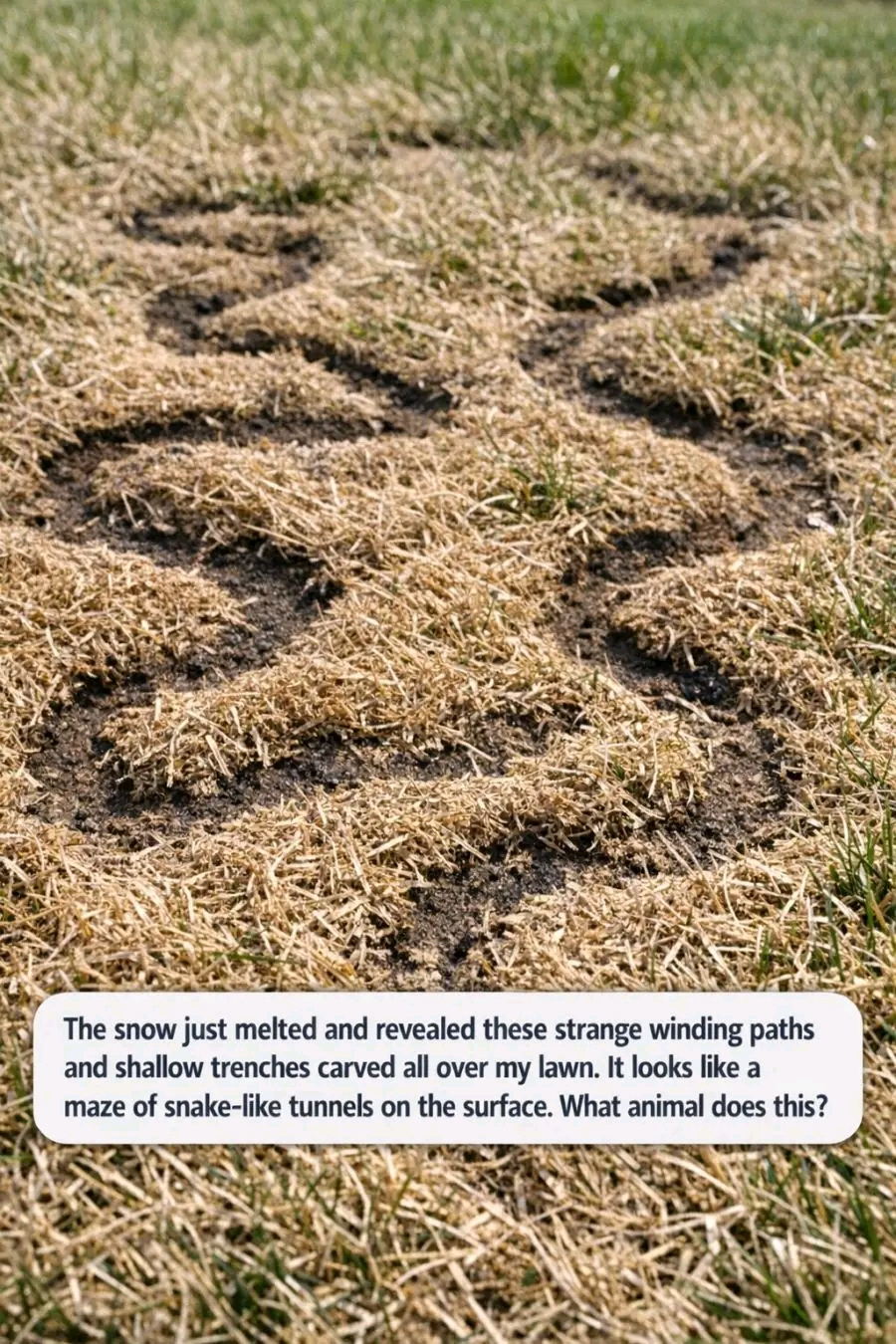
As the winter frost begins to thaw and the snow melts away, homeowners are often greeted with unexpected surprises hidden beneath the once pristine blanket of white. For many, this revelation comes in the form of strange, winding paths and shallow trenches carved across their lawns. These snake-like tunnels, meandering through the grass, can leave even the most seasoned gardener puzzled and concerned.While the initial sight of these intricate patterns may spark curiosity, they also raise questions about their origin and the potential damage they might indicate. In this article, we will delve into the mystery of these lawn mazes, identify the culprits behind them, and explore effective strategies to address and prevent further damage.
1. The Mystery Of The Melting-Snow Maze In Your LawnAs the snow retreats, it reveals a network of tunnels that seem to crisscross your lawn with no apparent pattern or purpose. Typically, these paths are 1 to 2 inches wide and shallow, just barely disturbing the surface of the grass. The intricate network often resembles a maze, with winding paths that sometimes connect and at other times diverge.These patterns are not random but are the result of the activities of small creatures that have been busy beneath the snow during the winter months. The seemingly chaotic design of these tunnels serves a purpose, providing the animals with routes to travel, forage for food, and escape predators while remaining hidden from sight.
2. Meet The Culprit: Voles, The Tiny Rodents Behind The TunnelsThe primary architect of these surface-level tunnels is the vole, a small rodent that often goes unnoticed until its handiwork is revealed in the spring. Voles, also known as field mice or meadow mice, are small, typically measuring about 4 to 6 inches in length, with stocky bodies, short legs, and small ears.Unlike moles, which burrow deep underground, voles create runways or surface tunnels that are visible when the snow melts. Their diet consists mainly of grasses, roots, and bulbs, making your lawn and garden prime real estate for these industrious little creatures.
3. How Vole Runways Form Under Winter Snow CoverDuring the winter, a blanket of snow provides voles with the perfect cover to go about their daily activities without fear of predators. This snow cover acts as an insulating layer, allowing voles to remain active throughout the cold months. As they search for food, voles create runways just beneath the snow, wearing down the grass and soil to form the visible paths you see come spring.These runways are not just for travel; they also serve as feeding sites where voles gnaw on grass blades and plant roots. The snow provides both protection from predators and a warmer microenvironment, enabling voles to thrive beneath its cover.
