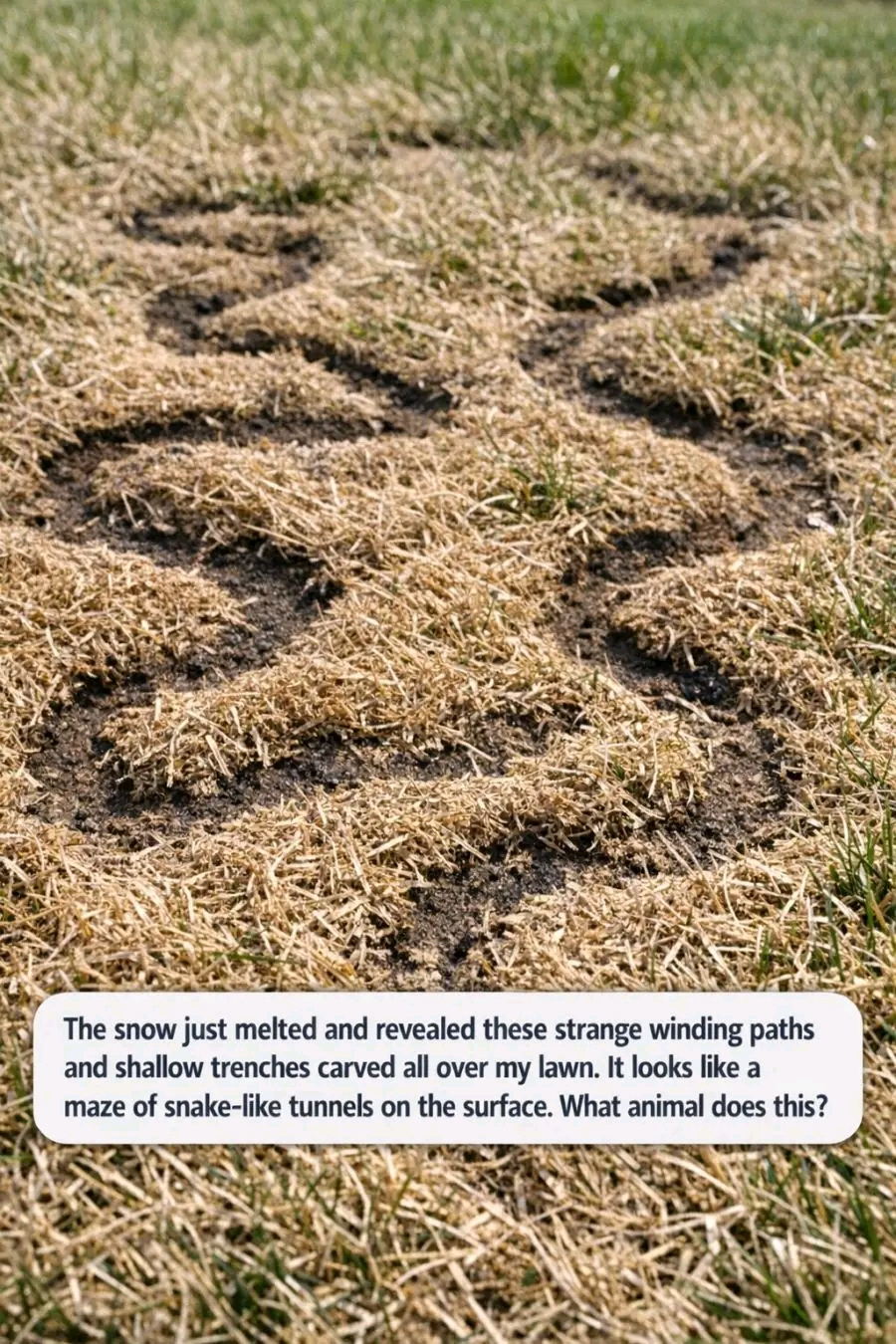
7. Why Voles Love Your Yard: Grass, Mulch, And Hidden ShelterVoles are particularly attracted to areas where they can find ample food and shelter. Yards with thick grass, abundant mulch, and overgrown vegetation provide the perfect environment for voles to thrive. The dense cover offers protection from predators and harsh weather, making your lawn an ideal habitat.Gardens with a variety of plants, especially those with bulbous roots, also attract voles. The availability of food sources, combined with protective cover, encourages voles to establish their runways and burrows in these areas.
8. The Hidden Damage: Roots, Bulbs, And Plants Voles DestroyWhile the surface runways are a visible sign of vole activity, the real damage often occurs below ground. Voles have a voracious appetite for plant roots, bulbs, and bark, which can lead to significant harm to your garden and ornamental plants. They can girdle trees and shrubs by chewing on the bark, leading to plant stress and potentially death.Voles also target garden plants, feeding on the roots and bulbs of flowers and vegetables. This hidden damage can result in poor plant growth, wilting, and even plant death, significantly impacting the health and aesthetics of your garden.
9. What To Do Right Now: First Steps After The Snow Reveals RunwaysOnce you discover vole runways in your lawn, it’s important to act quickly to prevent further damage. Begin by repairing the visible damage to your lawn. Rake over the runways to break up compacted soil and encourage new grass growth. Over-seeding the damaged areas can help restore your lawn to its former glory.Next, assess the extent of the vole population in your yard. This may involve setting up traps or consulting with a pest control professional to determine the best course of action. Addressing the problem early can help prevent additional damage as the growing season progresses.
10. Long-Term Vole Control: Habitat Changes, Barriers, And TrapsFor long-term vole control, consider making changes to your yard that make it less inviting to these rodents. Remove dense vegetation, keep grass trimmed short, and eliminate piles of mulch or debris where voles can hide. Installing underground barriers around garden beds and trees can also deter voles from accessing these areas.Trapping is another effective method for controlling vole populations. Use mouse traps baited with peanut butter or apple slices, placing them near active runways and burrow entrances. Regular monitoring and maintenance of these traps can help reduce vole numbers and protect your lawn and garden.
11. Helping Your Lawn Recover From A Winter Of Vole ActivityRestoring your lawn after vole damage involves several steps to encourage healthy grass growth. Begin by lightly raking over the affected areas to remove dead grass and loosen the soil. This will help new grass seeds make contact with the soil and germinate more effectively.Over-seed the damaged areas with a high-quality grass seed that matches your existing lawn. Water the area consistently to promote seed germination and root establishment. Applying a balanced fertilizer can also support new growth and help your lawn recover more quickly. With proper care and attention, your lawn can bounce back from a winter of vole activity.
