Disclaimer: Please read carefully. This article is provided strictly for informational and educational purposes only. The author and publisher do not assume any responsibility or liability for the creation, consumption, or outcome of homemade recipes or alcoholic beverages. Readers should consult with a medical professional regarding alcohol consumption, especially if managing health conditions or taking medications. Always ensure that brewing, infusing, and consuming alcohol is legal in your specific location, and always drink responsibly.

Many people believe that making gin requires an expensive copper still, boiling alcohol, and years of specialized distilling experience. In reality, the traditional root of this famous spirit is much simpler. At its core, gin is simply a neutral alcohol that has been deeply flavored with natural botanicals, primarily the juniper berry.
By using a traditional method known as “compound infusing,” you can easily create your own custom winter gin right on your kitchen counter. This method transforms a basic bottle of vodka into a rich, aromatic spirit that captures the crisp, piney essence of a winter forest. Here is how to create, use, and safely store your own homemade botanical spirit.
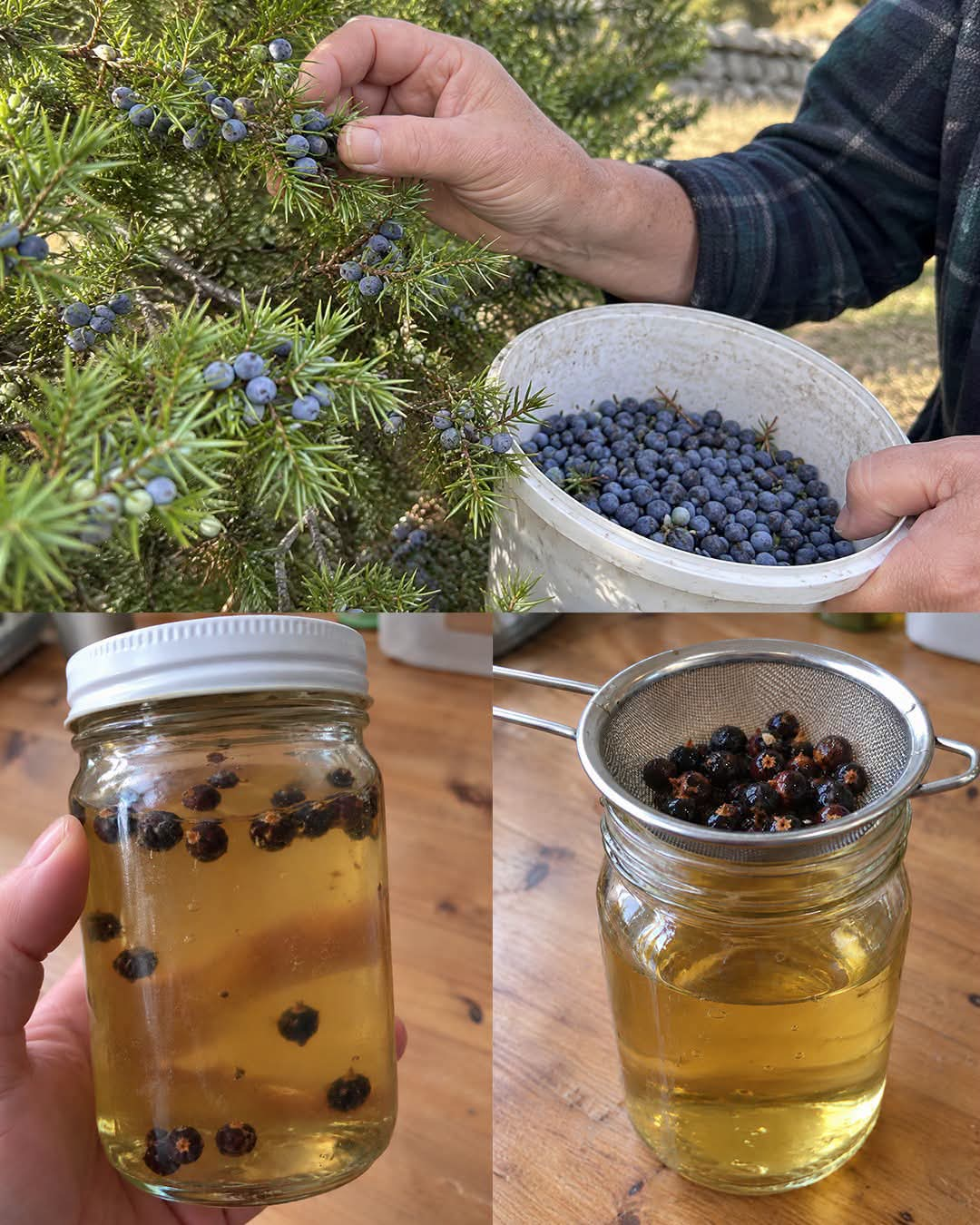
The Unique Power of the Juniper Berry The juniper berry is not actually a berry at all, but a tiny, fleshy pinecone. It is the absolute heart and soul of this beverage.
- The Signature Flavor: Juniper provides a sharp, clean, and unmistakable pine flavor that instantly reminds people of winter landscapes, snow, and evergreen forests.
- The Legal Definition: By law, a commercial spirit cannot be called “gin” unless juniper is its dominant flavor. It is the single required ingredient that separates gin from heavily flavored vodka.
- The Fast Extraction: Unlike hard fruits like quince that take months to infuse, juniper berries release their powerful essential oils very quickly. A complete homemade compound gin takes only two to three days to finish.
The Essential Ingredients To craft a beautiful winter gin, you only need a few simple ingredients. Because the process is so fast, the quality of what you put in the jar matters immensely.
- Neutral Vodka: A standard, mid-grade vodka (80 proof or 40% ABV) is your blank canvas. Avoid the absolute cheapest options, as harsh alcohols will overpower the delicate botanicals.
- Dried Juniper Berries: You need high-quality, culinary-grade juniper berries (specifically Juniperus communis). They should be dark purple, slightly wrinkled, and highly fragrant when crushed.
- Coriander Seeds: This is the second most important spice in any traditional gin. Coriander adds a warm, spicy, and slightly citrusy undertone that perfectly balances the sharp pine of the juniper.
- Winter Citrus Peel: A few thin strips of fresh orange or grapefruit peel will brighten the heavy winter spices and add a refreshing kick. Be sure to avoid the bitter white pith.
- Warm Winter Spices: To give your gin a true cold-weather profile, include one crushed cardamom pod, a small piece of cinnamon stick, and a single whole clove.
The Step-by-Step Infusion Process Making compound gin requires careful timing. If you leave the spices in the alcohol for too long, the drink can become heavily over-extracted and bitter. Follow this simple, two-stage schedule.

- Prepare the Berries: Take about two tablespoons of dried juniper berries and gently crush them using a mortar and pestle, or the back of a heavy spoon. You only want to crack the skins open, not grind them into a powder.
- The First Infusion: Place the cracked juniper berries into a large, clean glass Mason jar and pour in one standard bottle (750ml) of vodka. Seal the jar, give it a vigorous shake, and let it sit in a dark cupboard for exactly 24 hours.
- Add the Winter Botanicals: After 24 hours, open the jar and add one teaspoon of whole coriander seeds, your citrus peels, and your warm winter spices (cinnamon, clove, cardamom).
- The Second Infusion: Seal the jar again and let it sit for another 12 to 24 hours. Taste it at the 12-hour mark. Once the flavor is strong, spicy, and piney, the extraction is finished.
- Strain the Liquid: Pour the infused alcohol through a fine-mesh strainer into a clean bowl to remove the large pieces. Then, pour it a second time through a standard paper coffee filter to remove all the fine botanical dust.
- Bottle and Rest: Pour your finished, golden-tinted gin into a clean glass bottle. Let it rest in the cupboard for two days before drinking to allow the botanical oils to marry and the harsh edges of the alcohol to smooth out.
How to Serve and Enjoy Your Winter Gin Because you are not using a commercial still, your homemade gin will not be perfectly clear. It will have a beautiful, slight amber tint from the natural oils and spices.
- The Winter Tonic: Pour a measure of your gin over ice in a tall glass, top it with high-quality tonic water, and garnish with a fresh sprig of rosemary and a star anise.
- The Hot Gin Toddy: Mix a shot of your winter gin into a mug of hot water with a spoonful of raw honey and a squeeze of fresh lemon juice for a deeply warming evening drink.
- Neat and Chilled: Because you control the quality and balance of the ingredients, a well-made compound gin is smooth enough to sip completely straight from a chilled cordial glass.
Clever Ways to Use the Leftover Botanicals After straining your gin, you will be left with a handful of alcohol-soaked spices, peels, and berries. Do not throw these out, as they are packed with residual flavor.
- Savory Meat Rubs: Finely chop the leftover juniper and coriander and mix it with coarse salt and black pepper to create an incredible rub for roasted pork chops, duck, or venison.
- Aromatic Fire Starters: Let the leftover botanicals dry out completely on a paper towel. Toss them directly into your winter fireplace or wood stove to release a beautiful, fragrant pine smoke into the room.
- Pickling Brines: Add the leftover spices directly into a jar of homemade pickles or red onions to give them a complex, botanical kick.
Crucial Sourcing and Storage Safety When working with raw botanical ingredients, basic safety and proper storage are vital for a good experience.
- Identify Your Juniper Carefully: Only the Juniperus communis variety is safe for human consumption. Many wild, ornamental varieties of juniper planted in front yards or landscaping bushes are toxic and can cause severe stomach illness. Always buy culinary-grade dried berries from a trusted spice merchant rather than foraging them yourself, unless you are an expert at plant identification.
- Keep it in the Dark: Store your finished gin in a dark cabinet away from direct sunlight. Strong light will degrade the delicate botanical oils and ruin the flavor profile.
- Shelf Life: Thanks to the high alcohol content, your compound gin will safely last for a year or more. However, unlike wine, botanical flavors will slowly fade over time, so it is best enjoyed within the first six months of making it.
