In the world of gardening and landscaping, potting soil bags are a ubiquitous presence. They serve their primary purpose diligently, holding nutrient-rich soil that nourishes our plants. Yet, once emptied, these bags often end up discarded, contributing to landfill waste. However, with a bit of creativity and resourcefulness, these empty bags can be repurposed into useful items, extending their life and reducing environmental impact.Many people are unaware of the versatility of potting soil bags once they are empty. Their durability and resilience make them ideal candidates for various DIY projects. In this article, we will explore ten unexpected and practical ways to reuse these bags, proving that what might seem like waste can actually be a valuable resource.
1. Turn Empty Bags Into Durable Garden Waste Sacks
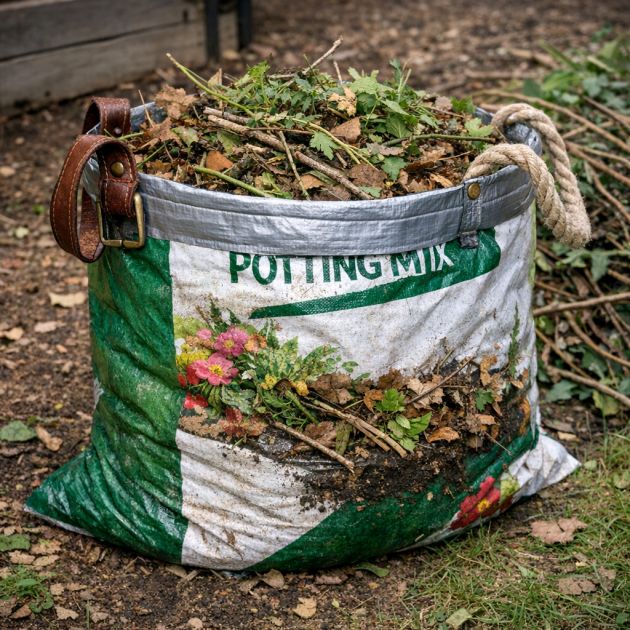
Empty potting soil bags can easily be repurposed into garden waste sacks. These bags are typically made from strong materials like polyethylene, which makes them perfect for collecting garden debris such as leaves, weeds, and small branches. Simply rinse out any remaining soil from the bag, and it’s ready to use.To enhance durability, you can fold over the top of the bag by about 2 inches and secure it with duct tape. This reinforces the opening and prevents tearing when the bag is full. With handles fashioned from old belts or sturdy rope, you can carry your garden waste with ease. These makeshift garden sacks can hold up to 50 pounds, making them a robust and environmentally friendly alternative to single-use garbage bags.
2. Upcycle Into Weed-Blocking Ground Covers

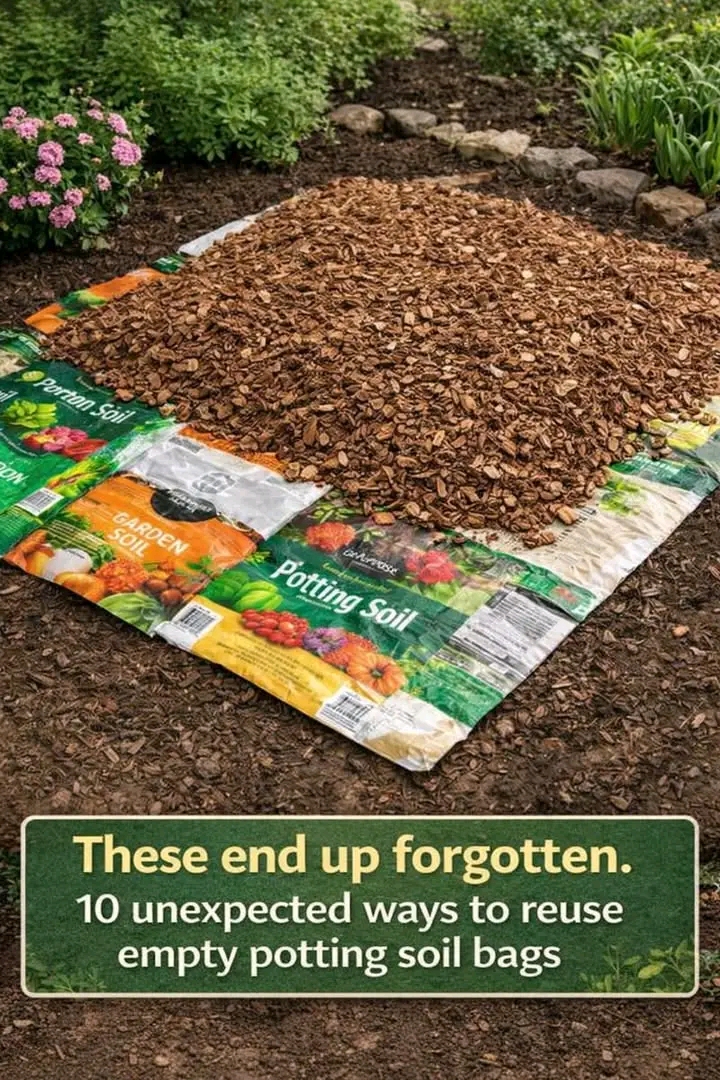
A practical use for old potting soil bags is as weed-blocking ground covers in your garden or landscaping projects. By cutting the bags open and flattening them, you can create a durable layer to suppress weeds. Lay these sheets down on flower beds or vegetable gardens before adding mulch or gravel on top.The thick plastic material of the bags is excellent at blocking sunlight, preventing weeds from sprouting. This method not only saves money on commercial weed barriers but also helps to recycle materials that would otherwise be wasted. Cut the bags to fit your specific garden dimensions, and overlap the edges for maximum coverage.
