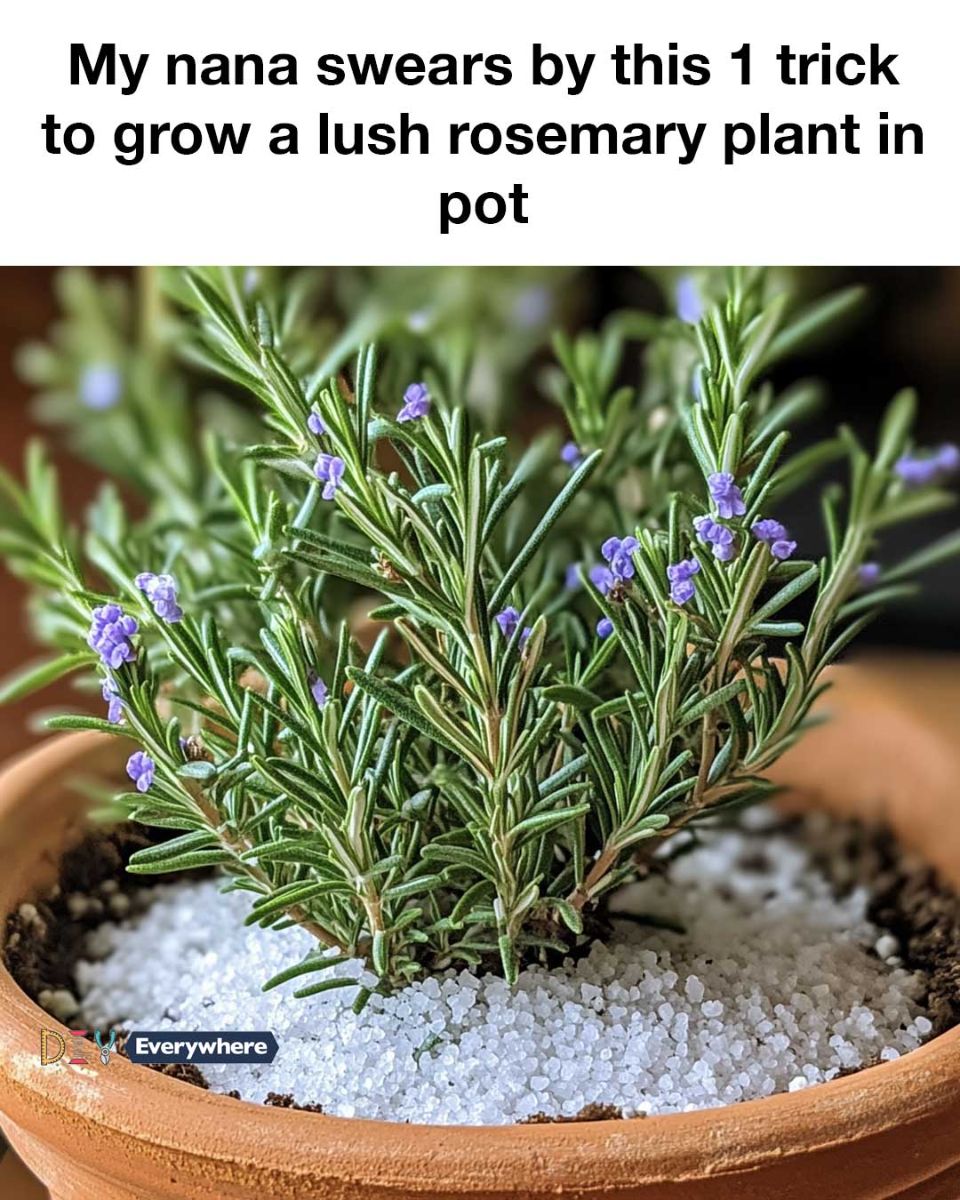
Growing a lush rosemary plant in a pot can be a rewarding endeavor, especially if you love cooking with fresh herbs. Rosemary, with its aromatic leaves and hardy nature, is a favorite among gardeners and chefs alike. However, achieving that perfect, bushy rosemary plant can sometimes be a challenge.
My nana, a seasoned gardener with years of experience, swears by a simple yet effective trick that has helped her grow the most vibrant rosemary plants. In this article, we’ll explore her secret and provide you with a comprehensive guide to growing rosemary in a pot, ensuring you have a thriving plant that will enhance your culinary creations.
1. The Secret Ingredient: Epsom Salt
Nana’s secret to a thriving rosemary plant is the use of Epsom salt. Epsom salt, or magnesium sulfate, is a natural mineral compound that can work wonders for rosemary. Magnesium is essential for photosynthesis, and adding Epsom salt to the soil can help improve the plant’s nutrient uptake.
To use Epsom salt, simply dissolve one tablespoon in a gallon of water and use this solution to water your rosemary plant once a month. This will provide the plant with the necessary nutrients to promote lush growth and vibrant foliage.
2. Understanding Rosemary’s Needs
Rosemary is a Mediterranean herb that thrives in warm, sunny climates. It requires well-drained soil and plenty of sunlight to grow well. Understanding these needs is crucial for successful rosemary cultivation.
Rosemary prefers slightly acidic to neutral soil with a pH of 6.0 to 7.0. It is also drought-tolerant, meaning it doesn’t require frequent watering. However, it is important to ensure that the plant receives enough water during its initial growth phase.
3. Choosing the Right Pot
Selecting the right pot is essential for growing rosemary. The pot should be at least 12 inches in diameter to allow the roots to spread comfortably. A larger pot will also help prevent the plant from becoming root-bound, which can stunt its growth.
Ensure the pot has drainage holes at the bottom to prevent waterlogging, as rosemary does not tolerate soggy soil. A terracotta pot is a good choice as it allows for better air circulation and moisture evaporation.
4. Soil Mix for Optimal Growth
A well-draining soil mix is crucial for rosemary. You can create an ideal mix by combining equal parts of potting soil, coarse sand, and perlite. This mixture ensures good drainage while retaining enough moisture for the plant’s roots.
Adding a slow-release fertilizer to the soil mix can provide additional nutrients to support the plant’s growth. However, be cautious not to over-fertilize, as this can lead to excessive foliage growth at the expense of essential oils.
5. The Importance of Drainage
Proper drainage is vital for rosemary’s health. Without it, the roots can become waterlogged, leading to root rot and other issues. Ensure that the pot has adequate drainage holes and consider placing a layer of gravel or small stones at the bottom before adding soil.
This layer will help facilitate water movement and prevent the soil from becoming compacted, allowing the roots to breathe and grow freely.
6. Watering Techniques for Rosemary
Watering rosemary requires a balanced approach. While the plant is drought-tolerant, it still needs regular watering, especially during hot, dry spells. Water the plant thoroughly, allowing the excess to drain out of the pot.
Allow the top inch of soil to dry out between waterings. This prevents overwatering, which can lead to root rot. During the winter months, reduce watering frequency as the plant’s growth slows down.
7. Sunlight Requirements
Rosemary thrives in full sunlight, requiring at least six to eight hours of direct sunlight each day. Place your potted rosemary in a sunny spot, such as a south-facing window or a sunny patio.
If growing indoors, consider supplementing with a grow light to ensure the plant receives enough light. Insufficient sunlight can lead to leggy growth and reduced essential oil production.
8. Pruning for a Bushier Plant
Regular pruning encourages rosemary to grow bushier and more compact. Prune the plant in early spring or late summer, removing any dead or woody stems.
Trim back the tips of the branches to promote lateral growth. This not only helps maintain the plant’s shape but also increases air circulation, reducing the risk of fungal diseases.
9. Protecting Against Pests
While rosemary is relatively pest-resistant, it can still fall victim to aphids, spider mites, and whiteflies. Regularly inspect your plant for signs of infestation, such as discolored leaves or webbing.
If pests are detected, treat the plant with insecticidal soap or neem oil. Ensure to cover both the tops and undersides of the leaves for effective treatment. Maintaining good air circulation and avoiding overwatering can also help prevent pest issues.
10. Seasonal Care Tips
During the growing season, rosemary benefits from regular feeding with a balanced liquid fertilizer every four to six weeks. In colder climates, bring the plant indoors before the first frost, as rosemary is sensitive to freezing temperatures.
When indoors, place the plant in a bright, sunny location and reduce watering to prevent overwatering. In spring, gradually acclimate the plant to outdoor conditions before moving it back outside.
11. Harvesting and Using Rosemary
Harvest rosemary by snipping off the top few inches of the stems, ensuring you leave enough foliage for the plant to continue growing. Regular harvesting encourages new growth and keeps the plant healthy.
Use fresh rosemary in a variety of dishes, from roasted meats to savory breads. You can also dry the leaves for later use by hanging the stems upside down in a cool, dry place. Store dried rosemary in an airtight container to preserve its flavor.
