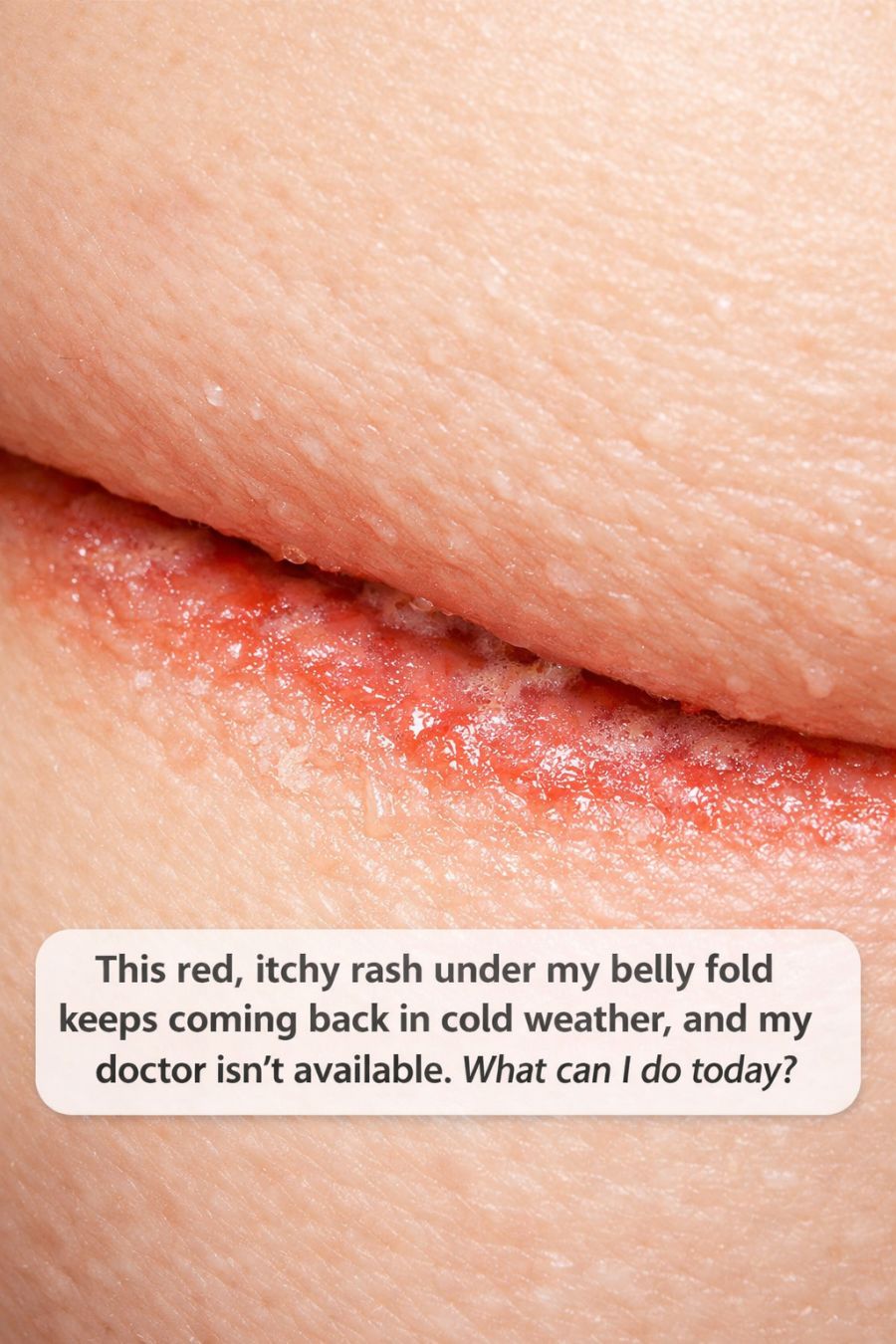
Rashes that develop under skin folds, such as the area beneath the belly, can be particularly frustrating due to their persistent nature and discomfort. These rashes often recur, especially during certain seasons, leaving many to wonder about their causes and how to manage them effectively. The cold weather might seem like an unlikely culprit for skin rashes, but it can indeed trigger or exacerbate these conditions due to various reasons related to skin physiology.
Without immediate access to a healthcare professional, it can be daunting to figure out the best course of action. Fortunately, there are several at-home strategies that can be employed to manage and alleviate the symptoms of these rashes. This article will guide you through understanding the likely causes of your rash, immediate steps you can take for relief, and practical tips for prevention.
1. Recognizing When a Belly-Fold Rash Is Likely Intertrigo
Intertrigo is a common inflammatory condition of the skin folds, caused by skin-on-skin friction and exacerbated by moisture and heat. It often appears as a red, itchy, and sometimes odorous rash. The affected skin can feel raw or tender and may develop cracks or fissures. The rash is typically localized to areas where skin rubs together, such as under the belly, armpits, or groin. If the rash is confined to these areas and matches the described symptoms, it is likely intertrigo.
Intertrigo can be measured by its extent and severity. Mild cases may present as slight redness and irritation, while severe cases can cover larger areas and become infected, requiring more intensive treatment. Keeping track of the rash’s spread and any accompanying symptoms can help in determining the need for medical intervention.
2. Why Cold Weather Can Still Trigger a Sweaty Skin Fold Rash
While one might expect skin fold rashes to be more common in hot and humid weather, cold weather can also be a trigger due to the layers of clothing people wear to keep warm. These layers trap heat and moisture against the skin, creating an ideal environment for irritation and fungal growth. Additionally, indoor heating systems can reduce humidity, leading to dry skin that is more susceptible to friction and irritation.
The combination of heavy clothing and indoor heating can create a microenvironment under skin folds where sweat accumulates. This moisture, coupled with friction, can lead to the development or worsening of intertrigo. Understanding this helps in adjusting clothing and environmental controls to minimize this risk.
3. First Step: Gently Clean and Thoroughly Dry the Area Today
The first step in managing a rash under the belly fold is to ensure the area is clean and dry. Use a gentle, fragrance-free soap and lukewarm water to cleanse the affected area. Harsh soaps or hot water can further irritate the skin. After washing, pat the area dry with a soft towel rather than rubbing, which can aggravate the rash.
To ensure the area is thoroughly dry, you might consider using a hairdryer on a cool setting to gently blow dry the skin fold. Keeping the area dry is crucial as moisture can exacerbate the rash and lead to further irritation or infection.
4. The T-Shirt Hack: Using Soft Cotton Cloth to Keep Folds Dry
One effective method to keep skin folds dry is the ‘T-shirt hack.’ This involves placing a piece of soft, clean cotton cloth, such as a cut-up T-shirt, between the skin folds. Cotton is breathable and absorbent, helping to wick moisture away from the skin.
Ensure that the cloth is changed regularly, especially if it becomes damp. This method not only keeps the area dry but also reduces friction between skin surfaces, thereby minimizing irritation.
5. Safe Over-the-Counter Creams and Powders You Can Try Now
There are several over-the-counter products that can help manage the symptoms of a rash under the belly fold. Zinc oxide creams, often found in diaper rash formulations, can provide a protective barrier that reduces moisture. Calamine lotion is another option that can soothe itching and irritation.
Additionally, antifungal powders or creams can be effective if there is a suspicion of a yeast infection, a common complication of intertrigo. Before applying any product, ensure the skin is clean and dry to maximize its efficacy.
6. When It’s Probably Yeast: Signs You May Need an Antifungal
A rash under the belly fold that is accompanied by a foul odor, white discharge, or develops a more intense redness may indicate a yeast infection, which often complicates intertrigo. Yeast thrives in warm, moist areas and can exacerbate the rash.
If these signs are present, an over-the-counter antifungal cream containing clotrimazole or miconazole may help. Apply it as directed, usually twice daily, and continue use for the full duration recommended, even if symptoms improve, to ensure the infection is fully cleared.
7. Simple At-Home Comfort Measures to Calm Burning and Itch
To alleviate burning and itching from the rash, consider using a cool compress applied to the affected area for 15-20 minutes. This can provide immediate relief by reducing inflammation and soothing the skin.
Oatmeal baths or applying a paste made from baking soda and water can also help calm irritated skin. These remedies are gentle and can be used in conjunction with other treatments to provide symptomatic relief.
8. What Not to Put on the Rash (Even If TikTok Swears by It)
While social media can offer a plethora of home remedies, not all are advisable for treating skin rashes. Avoid using vinegar, lemon juice, or essential oils directly on the rash, as these can irritate and worsen the condition.
Similarly, steroid creams like hydrocortisone should be used with caution and not applied for extended periods without medical supervision, as they can thin the skin and potentially worsen infections.
9. Clothing, Underwear, and Bra Hacks to Reduce Friction Today
Opt for loose-fitting, breathable clothing made from natural fibers like cotton to reduce friction and allow air circulation. Tight clothing can exacerbate the rash by increasing heat and moisture retention.
For women, a well-fitting bra that lifts the skin away from the fold can help reduce friction and moisture. Similarly, choosing underwear that fits well without being too tight can prevent additional irritation.
10. Quick Lifestyle Tweaks That Help Prevent a Flare-Up Tomorrow
Maintaining a healthy weight can reduce the risk of skin fold rashes by decreasing the size and number of skin folds. Regular physical activity, combined with a balanced diet, supports overall skin health.
Additionally, regularly moisturizing the skin with a fragrance-free lotion can help maintain skin barrier function and prevent dryness, which can contribute to irritation. Consider using a humidifier in your home to maintain optimal skin hydration during dry winter months.
11. Red-Flag Symptoms: When a Persistent Rash Needs Urgent Care
While many rashes can be managed at home, some symptoms necessitate medical attention. If the rash is accompanied by severe pain, fever, or pus, it may indicate an infection requiring prescription medication.
Additionally, if the rash doesn’t improve with home treatment within a week or spreads beyond the initial area, consult a healthcare provider. Persistent or worsening symptoms should not be ignored, as they may indicate an underlying condition that requires professional evaluation.
