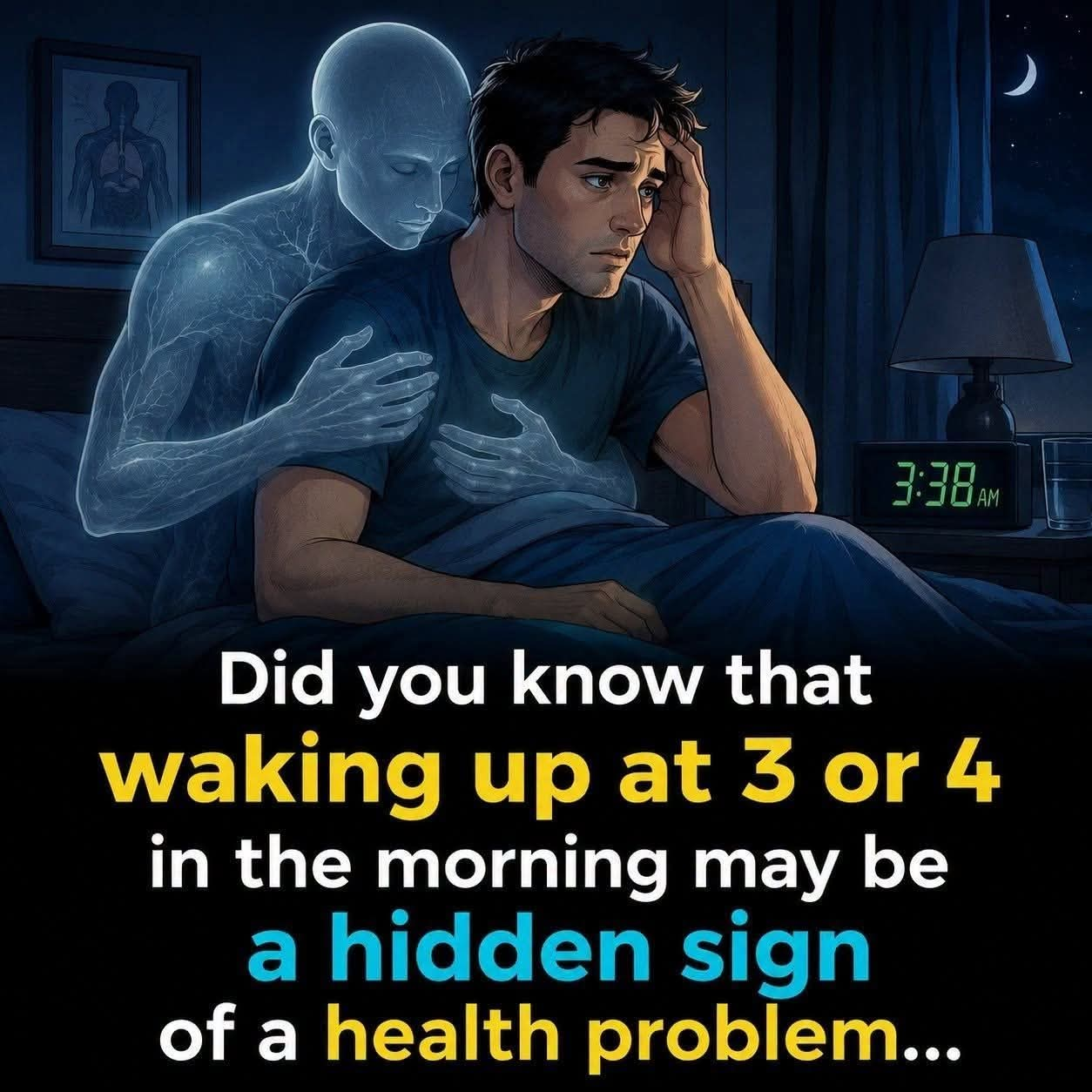
Here are some common reasons it may be happening.
Hay thức giấc vào 3-4 giờ sáng cảnh báo bệnh gì?
- Your Sleep Cycles May Simply Be Bringing You to a Lighter Stage of Sleep
Sleep isn’t one continuous state.
Throughout the night, your brain moves through repeated cycles involving non-REM and REM sleep. Earlier in the night, deeper non-REM sleep tends to make up a larger proportion of the night. As morning approaches, lighter sleep and REM periods generally become more prominent.
During lighter stages of sleep, you’re easier to wake.
This means a small disturbance that wouldn’t wake you during deep sleep may wake you later in the night.
You might briefly wake because of:
If you happen to look at the clock during one of these natural awakenings, you may start noticing a pattern around 2 or 3 AM.
That doesn’t necessarily mean something is wrong with your body.
2. Stress and Anxiety Can Keep Your Brain Alert
One of the most common reasons people wake up in the middle of the night is psychological arousal.
You may fall asleep easily because you’re physically exhausted, only to wake several hours later when your brain becomes more alert.
Suddenly, thoughts begin racing:
“What if I miss that deadline?”
“Did I send that email?”
“How am I going to pay that bill?”
“What do I need to do tomorrow?”
This can create a frustrating cycle.
You wake up → start worrying about being awake → become more alert → struggle to sleep → become more frustrated → become even more awake.
Stress doesn’t have to feel dramatic to affect sleep.
Work pressure, relationship problems, financial concerns, major life changes, or simply having too much on your mind can influence sleep quality.
What may help
Rather than trying to force yourself to sleep, create a calmer transition into bedtime.
Consider:
The goal is to reduce the amount of mental stimulation surrounding bedtime.
3. Alcohol May Be Interrupting Your Sleep
Some people believe alcohol helps them sleep because it can make them feel relaxed and sleepy initially.
But falling asleep quickly isn’t the same as getting good-quality sleep.
Alcohol can alter normal sleep architecture and may contribute to awakenings later in the night as its effects change.
You may therefore fall asleep easily after drinking but wake several hours later.
Alcohol can also worsen
If you repeatedly wake around the same time after drinking alcohol in the evening, the timing may not be a coincidence.
Try observing whether your sleep changes on nights when you don’t drink.
- Caffeine From Earlier in the Day May Still Be Affecting You
Caffeine can remain in the body for hours.
Its effects vary considerably from person to person, but some people are particularly sensitive.
Coffee isn’t the only source.
Caffeine can also be found in:
Even if you fall asleep normally, caffeine may reduce sleep quality or make you more likely to wake during the night.
If you’re waking regularly at 2 or 3 AM, consider looking at not just your evening routine but also your total caffeine intake and timing throughout the day.
5. Your Blood Sugar May Be Contributing—But Don’t Assume It Is
Blood glucose changes can affect sleep in certain circumstances.
For people with diabetes or those taking glucose-lowering medications, nighttime hypoglycemia can sometimes cause sweating, shakiness, confusion, nightmares, or awakening.
If nighttime awakenings frequently occur after heavy or late dinners, reflux may be worth considering.
- Sleep Apnea Can Cause Repeated Nighttime Awakenings
Sleep apnea is an important cause of disrupted sleep that often goes unnoticed.
During obstructive sleep apnea, the upper airway repeatedly becomes blocked or narrowed during sleep. The brain may briefly wake the person to restore normal breathing.
Many people don’t remember these awakenings.
Possible clues include:
If a partner tells you that you stop breathing or gasp during sleep, don’t ignore it.
Sleep apnea can affect sleep quality andIf a partner tells you that you stop breathing or gasp during sleep, don’t ignore it.Sleep apnea can affect sleep quality and overall health, and it can be evaluated through a medical assessment and, when appropriate, a sleep study.
Hormonal Changes Can Affect Sleep Hormonal fluctuations can influence sleep at different stages of life.
