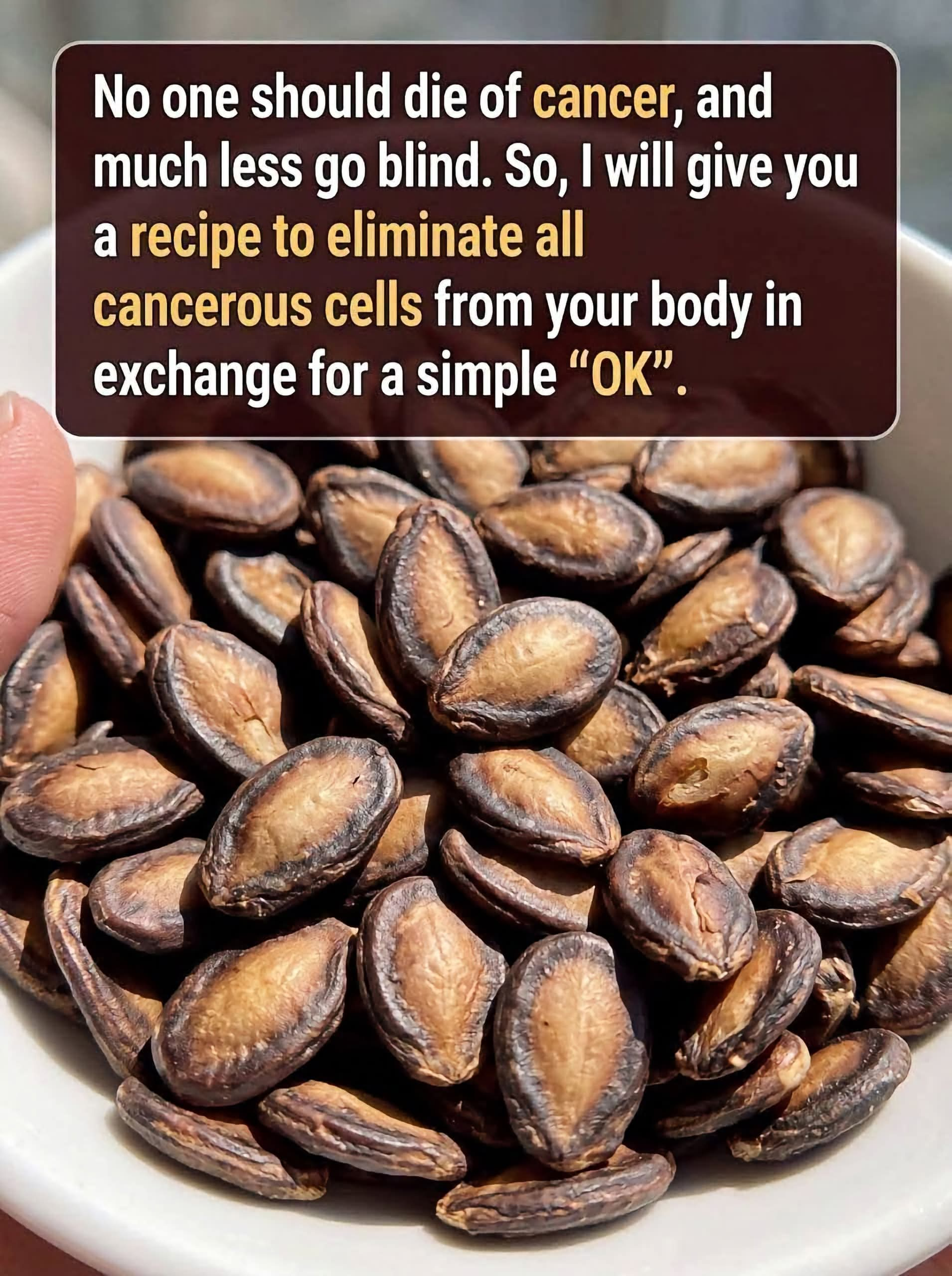
Watermelon Seeds: 10 Potential Health Benefits, Nutrition Facts, and What Science Really Says
Most people enjoy eating watermelon during the summer, but what happens to the seeds? Many people simply spit them out or throw them away without realizing that watermelon seeds are edible and contain several valuable nutrients.
These small seeds can be roasted, seasoned, and enjoyed as a crunchy snack. They also contain protein, healthy fats, magnesium, zinc, and other minerals.
Recently, watermelon seeds have attracted attention online because of claims that they can eliminate cancer cells and protect eyesight. But are these claims true?
Let’s take a closer look at what watermelon seeds contain, their potential health benefits, how to prepare them, and what scientific research actually tells us.
1. Watermelon Seeds Are Surprisingly Nutritious
Watermelon seeds are more than something you remove from your fruit.
Dried watermelon seed kernels contain several important nutrients, including:
- Protein.
- Magnesium.
- Zinc.
- Iron.
- Phosphorus.
- Copper.
- Healthy unsaturated fats.
They are also relatively energy-dense, meaning a small serving provides a considerable amount of calories.
Their nutritional composition makes them an interesting addition to a balanced diet.
2. They Provide Plant-Based Protein
One interesting feature of watermelon seeds is their protein content.
Protein helps the body:
- Build and maintain muscles.
- Repair tissues.
- Produce enzymes.
- Support normal immune function.
- Maintain healthy skin and other body structures.
Roasted watermelon seeds can be a convenient snack for people looking to include more plant-based protein in their diets.
3. They Contain Magnesium
Magnesium is an essential mineral involved in hundreds of processes throughout the body.
It contributes to:
- Normal muscle function.
- Nerve function.
- Energy production.
- Bone health.
- Normal blood pressure regulation.
Watermelon seed kernels are a particularly interesting dietary source of magnesium.
However, they should be enjoyed as part of a varied diet rather than treated as a mineral supplement.
4. They Provide Healthy Fats
Watermelon seeds contain unsaturated fatty acids, including linoleic acid and oleic acid.
These fats play important roles in normal body function.
Replacing some sources of saturated fat with unsaturated fats can help support cardiovascular health.
Nevertheless, watermelon seeds alone have not been proven to prevent heart disease.
5. They Contain Zinc and Iron
Zinc and iron are essential minerals that the body needs in relatively small amounts.
Zinc contributes to normal immune function, wound healing, and cell division.
Iron helps the body produce hemoglobin, the protein responsible for transporting oxygen in red blood cells.
Including different mineral-rich foods in your diet can help support your nutritional needs.
6. They May Contribute to Heart Health
The combination of magnesium and unsaturated fats makes watermelon seeds an interesting food to include in a heart-conscious eating pattern.
Research on watermelon seed compounds has identified potentially beneficial biological activities.
However, most research into specific therapeutic effects remains preliminary, and there is not enough human evidence to claim that eating watermelon seeds prevents heart attacks or lowers cholesterol.
For cardiovascular health, a balanced diet, regular physical activity, and appropriate medical care remain essential.
7. They Contain Compounds Being Studied for Antioxidant Activity
Antioxidants help protect cells against oxidative damage.
Watermelon seeds contain various naturally occurring compounds that researchers have investigated for antioxidant activity.
Some laboratory studies suggest that extracts from watermelon seeds may have interesting biological properties.
However, laboratory findings do not automatically translate into proven health benefits in people.
Eating roasted watermelon seeds can contribute nutrients to your diet, but they should not be considered a treatment for disease.
8. What About Cancer? Can Watermelon Seeds Eliminate Cancer Cells?
This is where we need to separate scientific research from misleading internet claims.
Some laboratory research has investigated watermelon seed extracts and their effects on cancer cells.
However, there is no reliable clinical evidence showing that eating watermelon seeds, chewing them daily, or drinking watermelon seed tea can eliminate cancer cells in the human body.
The National Cancer Institute explains that no particular food, vitamin, mineral, herb, or combination of dietary ingredients has been proven to cure cancer.
Cancer is a complex group of diseases that requires appropriate diagnosis and treatment.
Watermelon seeds can be enjoyed as food, including by some people undergoing cancer treatment, provided they are suitable for their individual dietary needs.
They must never replace chemotherapy, radiation therapy, surgery, immunotherapy, or other prescribed treatments.
9. Can Watermelon Seeds Prevent Blindness?
Another claim circulating online suggests that watermelon seeds can protect eyesight or prevent blindness.
Although watermelon seeds contain nutrients involved in general health, there is no convincing clinical evidence that eating them prevents blindness or treats eye diseases.
Eye health depends on several factors, including:
- Adequate nutrition.
- Healthy blood circulation.
- Blood sugar management.
- Protection against excessive ultraviolet exposure.
- Regular eye examinations.
- Appropriate treatment of existing eye conditions.
Certain nutrients, including vitamins A, C, and E, lutein, and zeaxanthin, are important in maintaining normal eye health.
However, no single food can guarantee protection against vision loss.
If you experience sudden vision changes, blurred vision, eye pain, or sudden loss of sight, seek medical attention promptly.
10. They Make a Delicious and Affordable Snack
One of the easiest ways to enjoy watermelon seeds is by roasting them.
Instead of throwing away edible seeds, you can transform them into a crunchy homemade snack.
They can be seasoned with salt, garlic powder, paprika, or other spices according to your taste.
How to Make Roasted Watermelon Seeds at Home
This simple recipe turns leftover watermelon seeds into a delicious snack.
Ingredients
- 1 cup watermelon seeds.
- 1 teaspoon olive oil (optional).
- ¼ teaspoon salt.
- ¼ teaspoon garlic powder (optional).
- ¼ teaspoon paprika (optional).
Instructions
Step 1: Collect the seeds
Remove the seeds from a fresh watermelon. Separate them from the fruit and discard any damaged seeds.
Step 2: Wash thoroughly
Place the seeds in a fine-mesh strainer and rinse them under cool running water to remove any remaining watermelon flesh.
Step 3: Dry the seeds
Spread the seeds on a clean kitchen towel or paper towel.
Pat them dry and allow them to air-dry thoroughly. Removing excess moisture helps them roast more evenly.
Step 4: Season
Place the dry seeds in a bowl.
Add olive oil if desired, along with salt, garlic powder, and paprika.
Mix until evenly coated.
Step 5: Roast
Preheat your oven to 325°F (165°C).
Spread the seeds in a single layer on a baking sheet lined with parchment paper.
Roast for approximately 15–25 minutes, stirring occasionally.
Cooking time will depend on the size and moisture content of the seeds.
Step 6: Cool and enjoy
Remove the seeds from the oven when they are dry and lightly toasted.
Allow them to cool completely before eating.
Storage
Store completely cooled roasted seeds in an airtight container in a cool, dry place.
For the best flavor and texture, enjoy them while fresh.
Important Precautions Before Eating Watermelon Seeds
Although watermelon seeds are edible, a few precautions are worth remembering.
- Eat them in moderate portions because they are calorie-dense.
- Avoid them if you have a known allergy to watermelon seeds.
- Chew them properly rather than swallowing large quantities whole.
- Choose clean, properly stored seeds intended for consumption.
- If you have digestive sensitivities, start with a small serving.
- If you are undergoing cancer treatment, consult your healthcare team before using concentrated seed extracts or supplements.
Final Thoughts: Should You Stop Throwing Away Watermelon Seeds?
Watermelon seeds deserve more attention than they usually receive.
They contain protein, magnesium, zinc, iron, and unsaturated fats, making them a nutritious food that can be enjoyed roasted or incorporated into different recipes.
However, it’s important to remember that watermelon seeds are not a miracle cure.
They have not been proven to eliminate cancer cells, cure cancer, prevent blindness, or replace medical treatment.
The best approach is to enjoy them for what they genuinely offer: nutrition, flavor, and an opportunity to make better use of food that might otherwise be discarded.
Sometimes, even the smallest ingredients can have a place in a healthy, balanced diet.
Have you ever tried roasted watermelon seeds? Would you eat them as a crunchy snack, or have you always thrown them away? Share your experience in the comments!
