Noticing white flakes in your eyebrows can be both frustrating and concerning. Whether you’re preparing for a big event or just dealing with everyday life, these flakes can make you feel self-conscious and unsure of how to address the issue. The good news is that while your appointment with a dermatologist may be weeks away, there are steps you can take now to help manage the situation.In this article, we’ll explore some practical solutions for managing eyebrow flakes. From identifying the cause to implementing home remedies and adjusting your skincare routine, there’s a lot you can do to alleviate the problem and feel more comfortable in your skin.1. Figure Out If It’s Dandruff, Dry Skin, or Something MoreUnderstanding the root cause of the flakes is the first step. Eyebrow dandruff is often similar to scalp dandruff and can be caused by seborrheic dermatitis, an inflammatory skin condition. Dry skin, on the other hand, may result from environmental factors or dehydration. In some cases, psoriasis or eczema could be the underlying issue.To determine the cause, observe the flakes’ characteristics. If they are oily and yellowish, dandruff is likely the culprit. If they are dry and white, it could be dry skin. For persistent and severe symptoms, consider consulting with a healthcare professional to rule out more serious conditions.2. Gently Wash Your Brows With the Right CleanserUsing a gentle cleanser can help remove excess oil and flakes without irritating the skin. Opt for a mild, sulfate-free option to avoid stripping natural oils. Cleansers with ingredients like salicylic acid or ketoconazole can be effective for dandruff-related flakes.Wash your eyebrows using lukewarm water and a small amount of cleanser. Massage gently with your fingertips, ensuring you don’t apply too much pressure, which can irritate the skin further. Rinse thoroughly and pat dry with a clean towel.3. Use Targeted Anti-Dandruff Ingredients on Your EyebrowsIncorporating anti-dandruff ingredients can be beneficial. Look for products containing zinc pyrithione, selenium sulfide, or ketoconazole. These ingredients help reduce yeast buildup, which can contribute to dandruff.You can apply a small amount of anti-dandruff shampoo directly to your eyebrows once or twice a week. Leave it on for 3-5 minutes before rinsing thoroughly. Be cautious not to get the product in your eyes, and follow up with a gentle moisturizer.4. Add Moisture Without Clogging the Hair FolliclesMoisturizing your eyebrows is essential, especially if dry skin is the issue. Choose a non-comedogenic moisturizer to avoid clogging the hair follicles, which can exacerbate the problem.Look for products containing hyaluronic acid, glycerin, or aloe vera. Apply a pea-sized amount after cleansing, gently massaging it into the skin beneath your brows. This will help maintain moisture balance without adding excess oil.5. Try Simple At-Home Soaks and CompressesHome remedies like warm compresses can provide relief and help soften flakes for easier removal. Soak a clean washcloth in warm water and wring out the excess. Apply it to your eyebrows for about 5 minutes.Alternatively, you can create a soothing soak by mixing a teaspoon of baking soda with warm water. Dip the washcloth into the solution and apply it to the affected area. This can help loosen flakes and reduce irritation.6. Stop Over-Scrubbing and Picking at the FlakesWhile it may be tempting to scrub or pick at the flakes, this can worsen the problem by irritating the skin and potentially causing inflammation. Instead, focus on gentle cleansing and moisturizing to manage the flakes.If you notice an urge to pick, consider using a soft brush to gently remove loose flakes without causing harm to your skin or hair follicles. This can help manage the appearance without exacerbating the issue.7. Tweak Your Makeup and Skin-Care Routine Around Your BrowsConsider adjusting your makeup routine to prevent further irritation. Avoid using heavy products directly on your eyebrows, and opt for hypoallergenic options that won’t clog pores or cause inflammation.When applying foundation or concealer, use a light hand around your eyebrows. Consider switching to mineral makeup if you haven’t already, as it tends to be gentler on sensitive skin. Remove makeup thoroughly at the end of the day to prevent buildup.8. Calm Redness and Itch With Short-Term Soothing RemediesFor immediate relief from redness and itchiness, consider over-the-counter hydrocortisone cream. Apply a thin layer to the affected area once or twice a day, but do not use it for more than a week without consulting a doctor.Natural remedies such as pure aloe vera gel or chamomile tea compresses can also soothe the skin. Apply a thin layer of aloe vera or a cooled chamomile tea bag directly to your eyebrows for a calming effect.9. Adjust Everyday Habits That Can Make Brow Flaking WorseCertain lifestyle habits can contribute to eyebrow flaking. Pay attention to your diet, ensuring you consume enough omega-3 fatty acids, which can improve skin health. Stay hydrated by drinking at least 8 glasses of water per day.AdvertisementStress can also play a role in skin conditions, so incorporating stress-reducing activities like yoga or meditation can be beneficial. Additionally, ensure you’re getting enough sleep each night to support overall skin health.10. Know When to Call the Derm Before Your Appointment DateIf your symptoms are severe or worsening, it may be necessary to seek medical advice before your scheduled appointment. Signs such as swelling, significant pain, or a spreading rash could indicate an infection or another serious condition.AdvertisementIn such cases, contact your dermatologist or a healthcare professional promptly. They may be able to provide guidance over the phone or fit you in for an earlier appointment.11. What Your Dermatologist Will Likely Do When You Finally Get InDuring your appointment, your dermatologist will likely examine your eyebrows and ask about your symptoms and medical history. They may perform a skin scraping or biopsy to determine the exact cause of the flaking.Based on their findings, they may prescribe medication such as topical corticosteroids or antifungal treatments. In some cases, they may recommend lifestyle changes or specific skincare products to help manage your condition effectively.
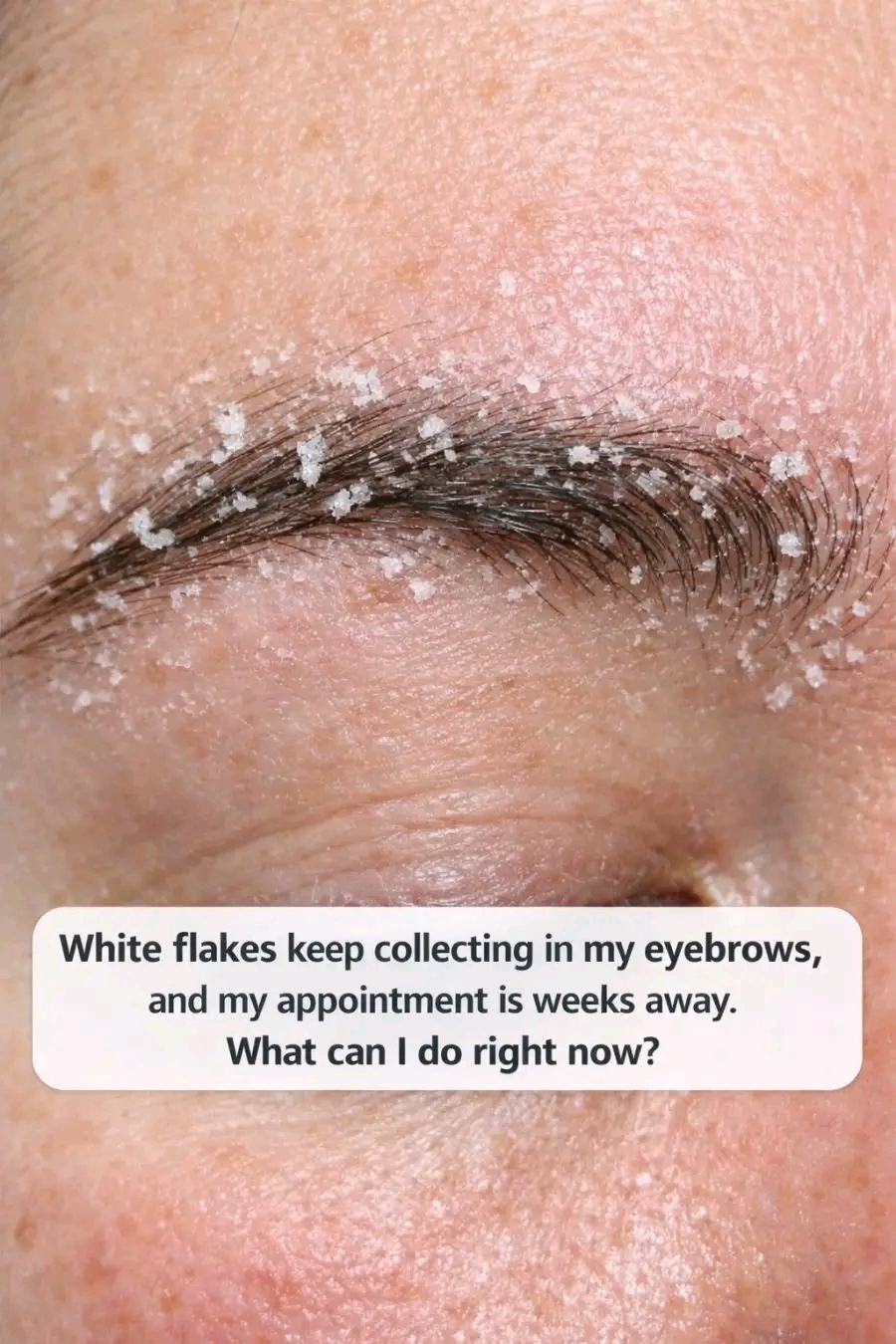
White flakes keep collecting in my eyebrows, and my appointment is weeks away. What can I do right now?
ADVERTISEMENT
